
Soil Event

-
When
-
Where
-
Calhayes Farm
Luppitt
EX14 4SU
Soil health is fundamental to our farms’ yields now and in the future. On Friday 16th of October, Dave Crabb will be hosting us at Calhayes Farm, Luppitt for a Soil Event with the Environment Agency’s soil expert, Dr Richard Smith.
The day will start at 10.45 with coffee, the LLP’s soils specialist Fred Constantine will give us some background about the soils in Luppitt, soil health and management. After a pasty lunch we will head out for a field demonstration led by Richard Smith. Using visual evaluation of soil structure (VESS) we will explore first-hand what we can tell about soil health, history and crop constraints.
The day will finish up around 2.30 pm.
Please let Nicola know if you will be attending via this link or email her on: [email protected]
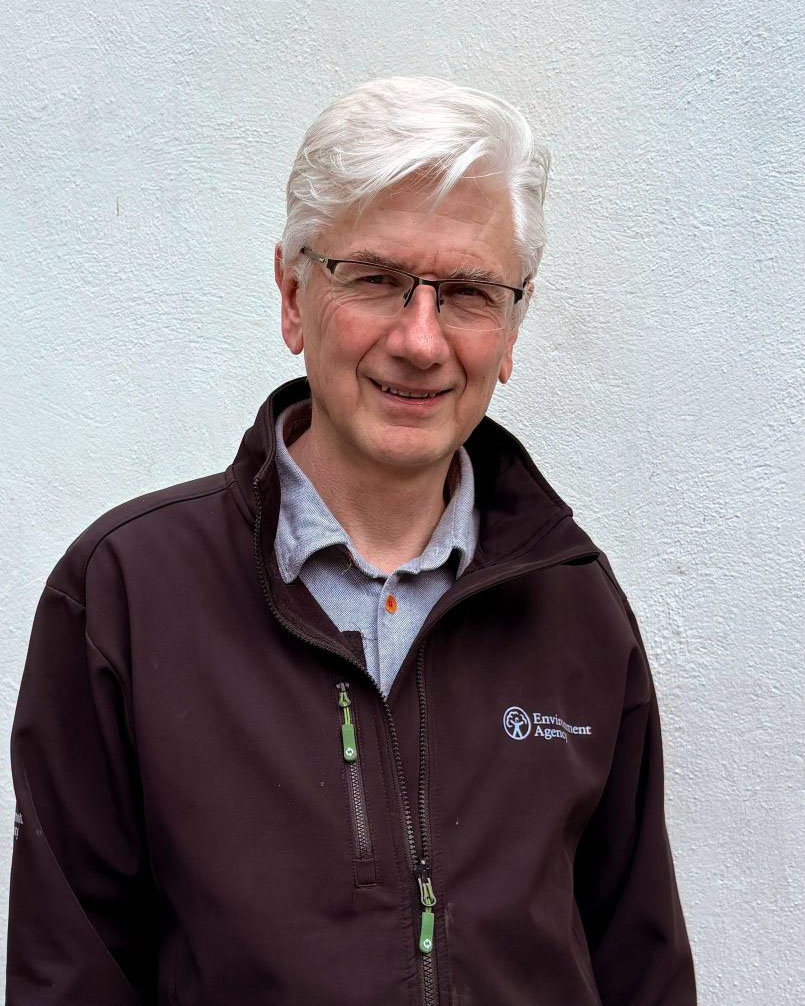
Dr. Richard Smith MBE
Soil Technical Specialist, Environment Agency for Devon, Cornwall and the Isles of Scilly
Richard has been working for the Environment Agency and its predecessors since 1989. He started his career in 1986 working for Anglian Water studying the impact of agriculture on fisheries. He moved to Devon in1989 having joined the former National Rivers Authority and worked on soil erosion mainly with the former Soil Survey & Land Research Centre. He continues to work on this subject both in operations dealing with incidents and supporting national soil policy work with Defra. Richard has written numerous guidance documents on soil assessment, and has published work on soil degradation, runoff and flooding. He was awarded an MBE in 2026 for his services to soil health.
Fred Constantine
Soils Specialist, Luppitt Landscape Partnership
Fred is leading our work on understanding the complex soils of the project area, measuring their carbon content as a baseline against which future increases can be judged, and advising on how soil health and biology can be enhanced. Fred has worked in the Blackdown Hills for some years developing a new approach to soil carbon mapping, and also works for the Cotswolds National Landscape as their climate change lead.