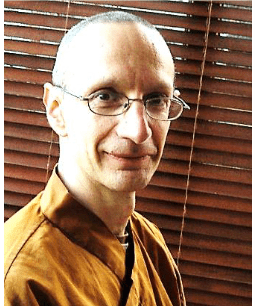
Interview with Ajahn Jutindharo at the Hartridge Buddhist Thai Forest Monastery
Story 1. The history of Odle Cottage becoming the Hartridge Monastery
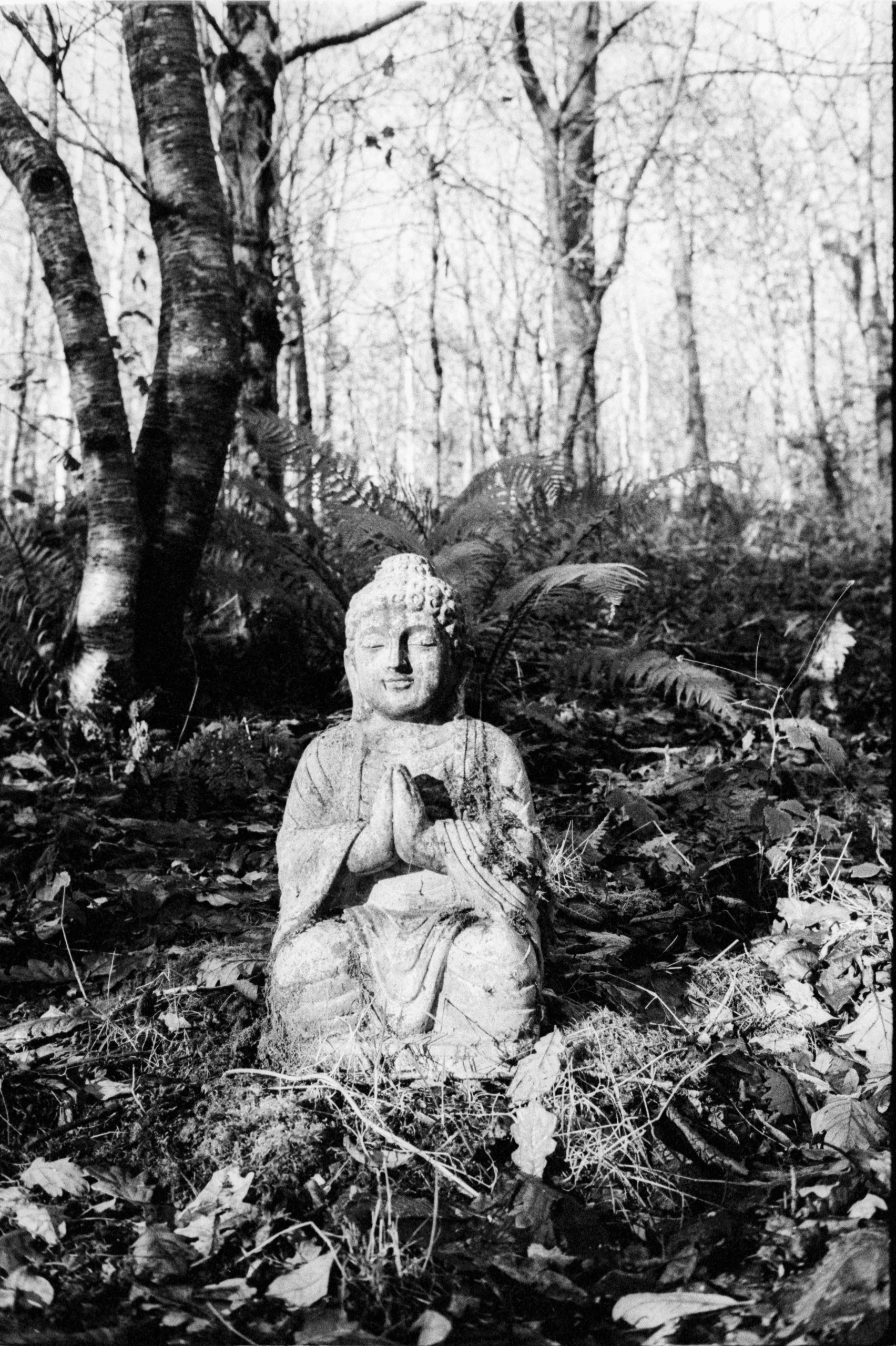
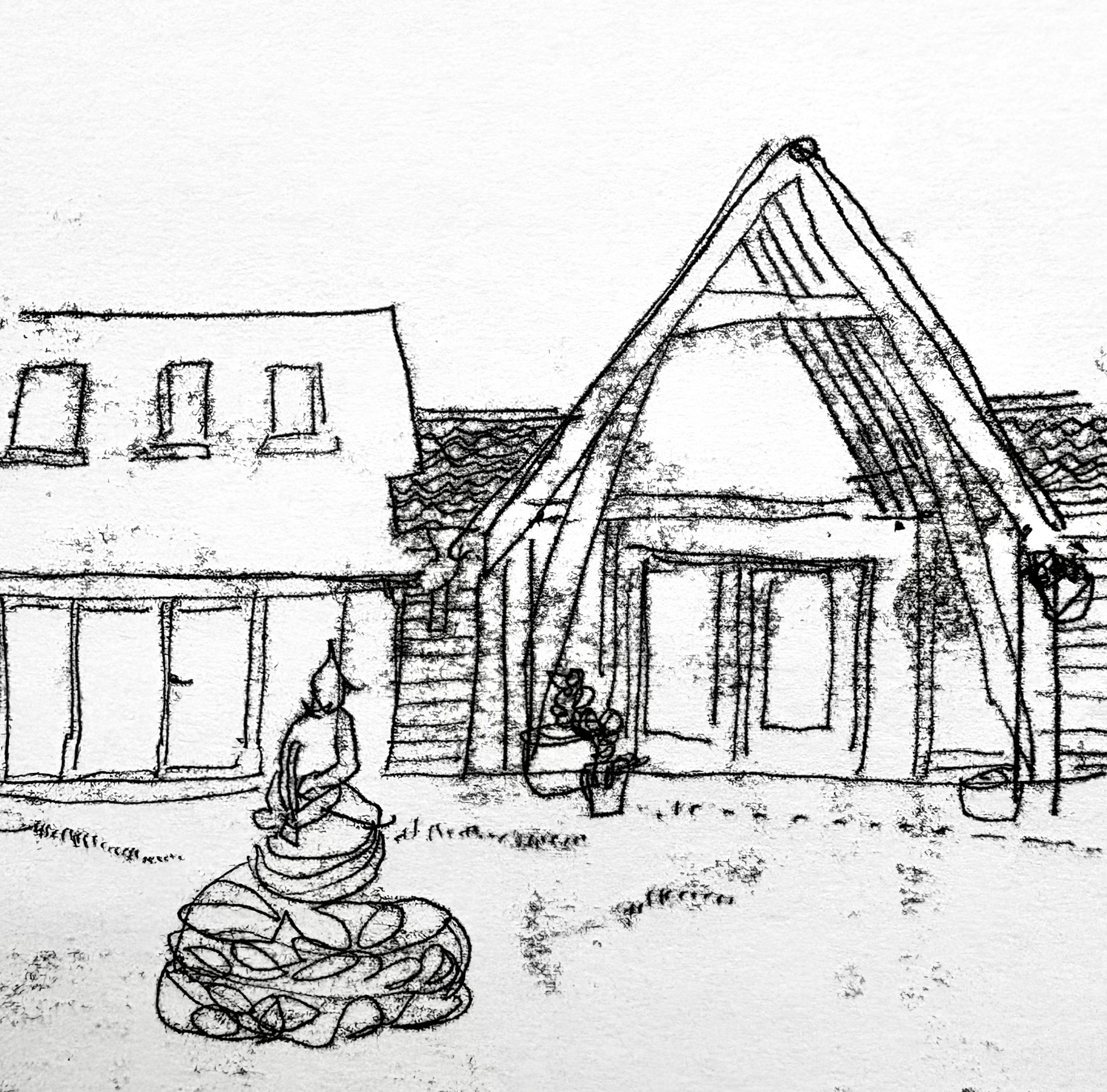
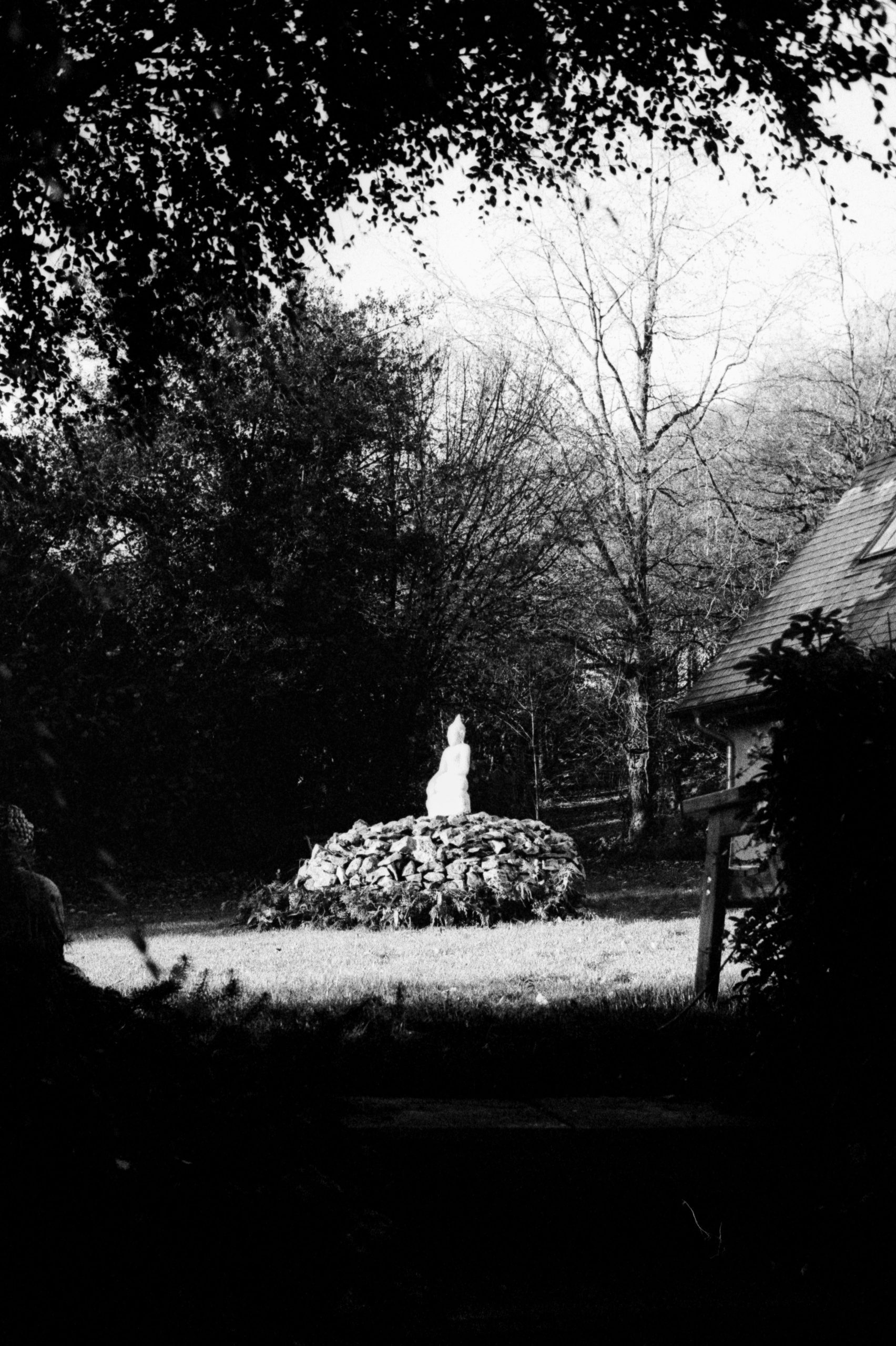
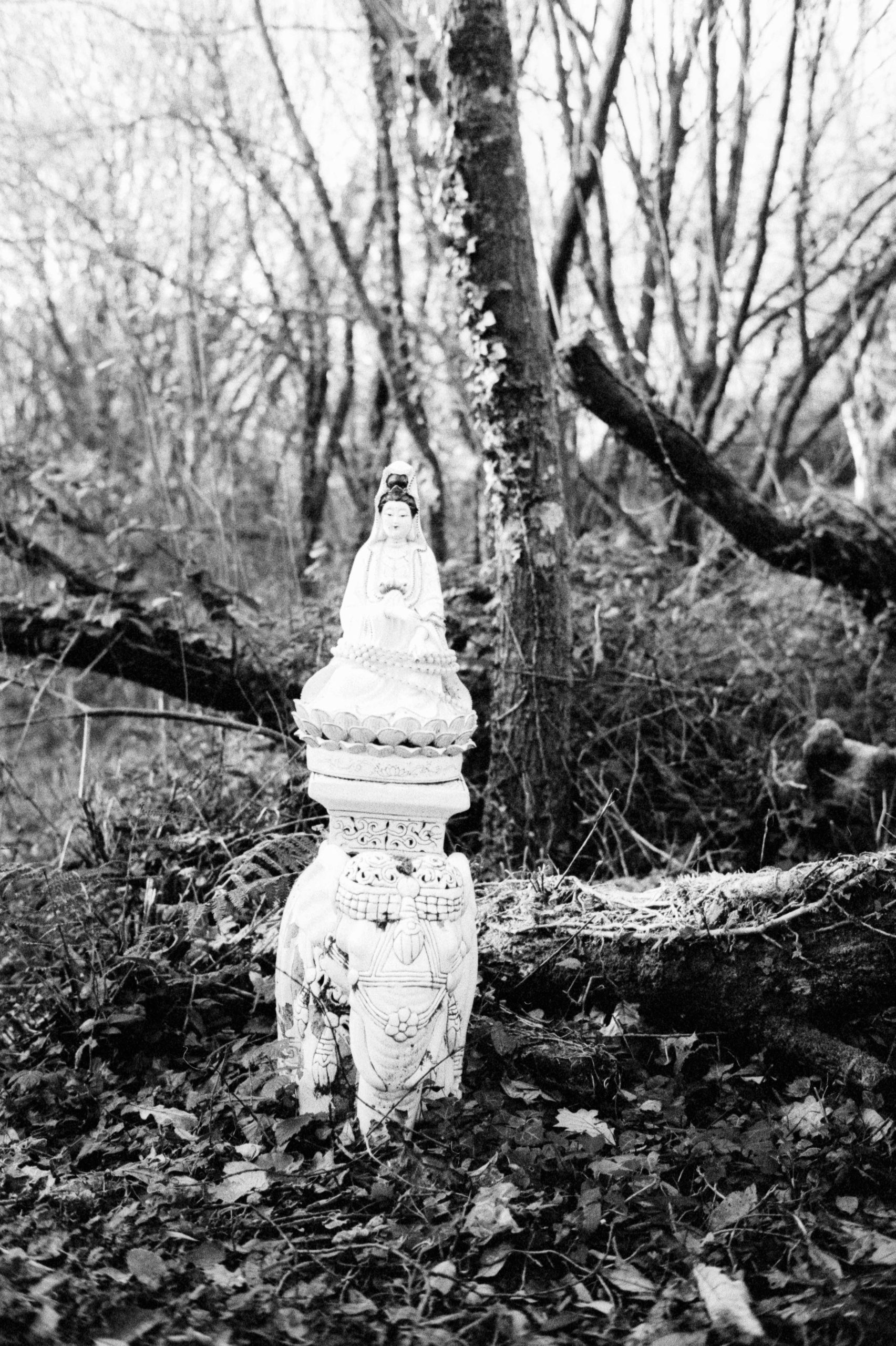
Ajahn Jutindharo provides a detailed history of the Hartridge Monastery and its development over the years. He explained, “Our roots are from Thailand, a Thai forest monastery tradition.” The attraction of this site being it’s seclusion “a really suitable environment for a forest monastery. Quiet places in nature, ideally with a bit of space.”
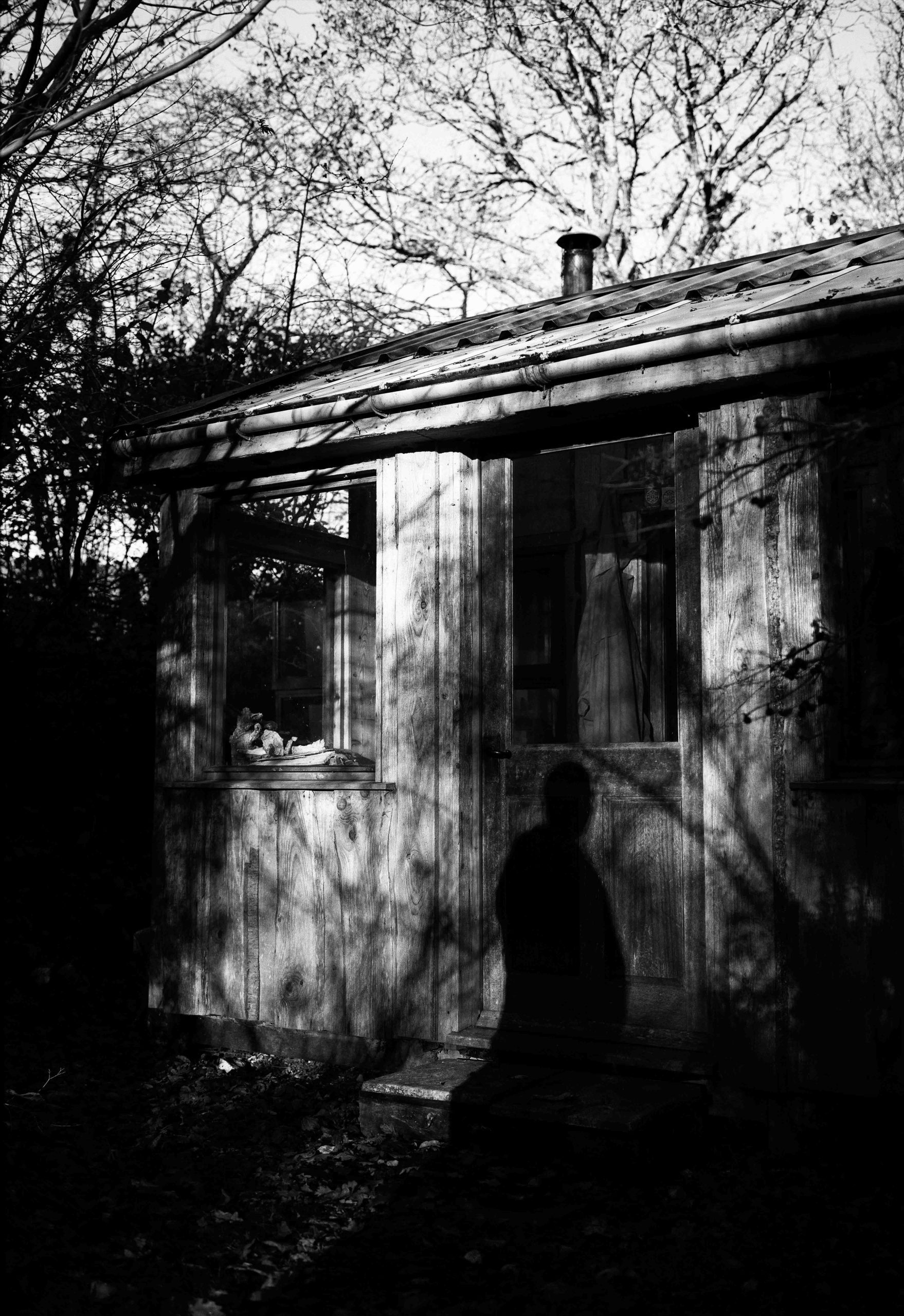
Although the original spaces were “very simple, very basic” they have been done up and new spaces have been built. New land has been required and planted on. He describes the main room in the old cottage as being “the heart of the monastery [and] still is, particularly in the winter when the AGA is going.”
Story 2. Ajahn Jutindharo’s Journey to Hartridge
Ajahn Jutindharo shared his journey of becoming a Buddhist monk and his connection with the Hartridge Monastery. “I’ve been a Buddhist monk for 36 years, I first came here 30-something years ago, when I was a novice monk.” He talked about his decision to return to the monastery “There was something about it being a fairly small place…the social environment, I really enjoyed. People being very friendly.… the difference in the pace of life. It was more relaxed here, laid back.”
Story 3. Managing the land here & the wildlife that surrounds us.
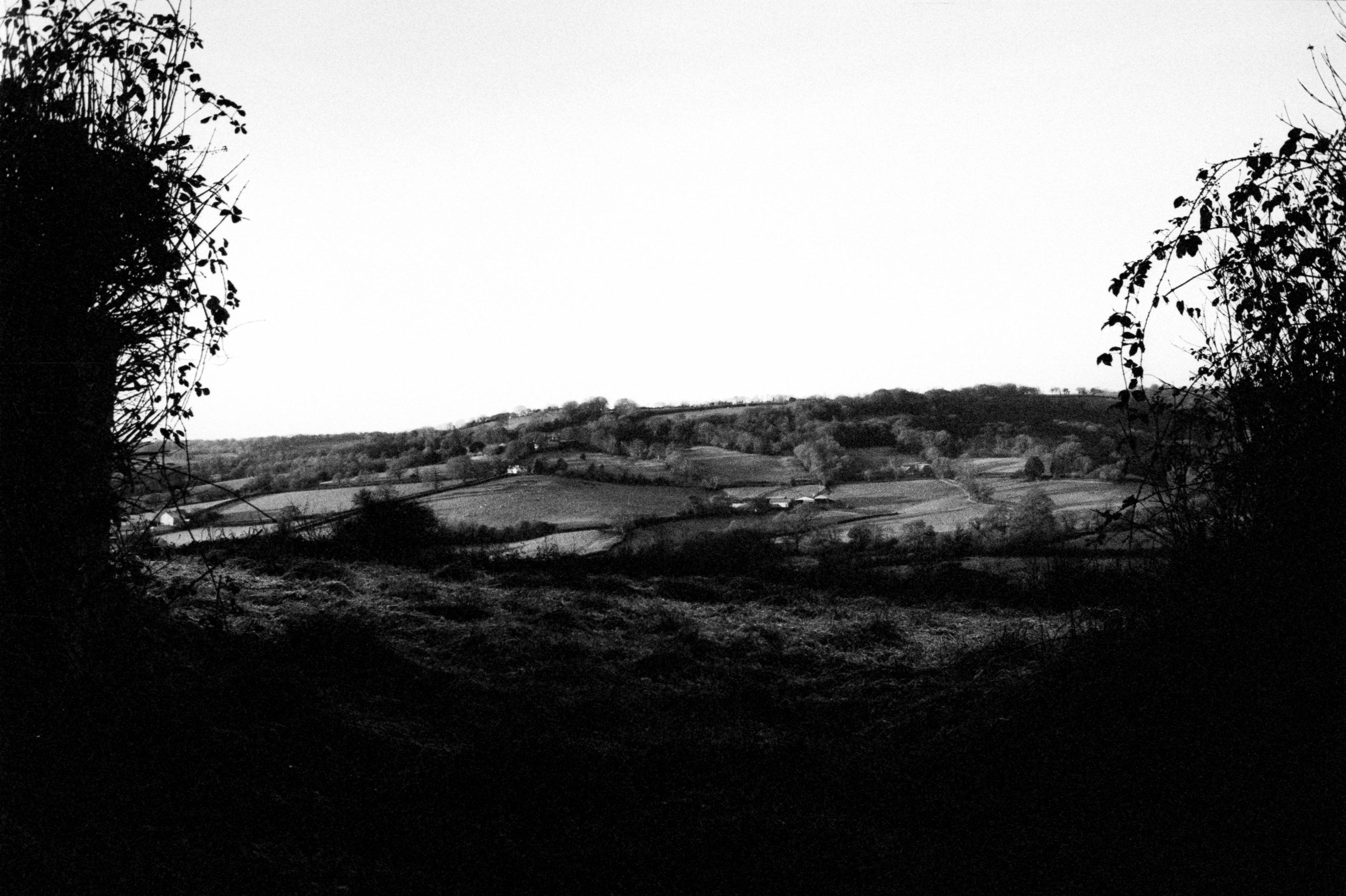
Ajahn Jutindharo reflects on the monastery’s long relationship with the land—how early planting efforts began “about 30 years ago” to create the small woodland and the pond that was a natural Spring. He speaks about the ongoing work of stewardship, noting that caring for the land is not just practical but deeply meaningful, observing how “gradually things have just started to mature a bit” and how the evolving landscape reveals both growth and vulnerability. He also reflected on the wildlife and changes over time, “Sometimes we see a fox…there are plenty of deer….there is quite a variety of birds.”
Story 4. The Buddhist Monastic order of things.
Life, community and the environment :
Throughout the interview, Ajahn Jutindharo offered philosophical reflections on life, community, and the environment. He stated, “It’s about setting a tone, setting an atmosphere, perspective” Emphasizing the importance of caring for the land he says “Because … the land …signifies or represents something about our connection with the world… And something about caring for that.”
Story 5. Are things really so different? Understanding mindfulness.
Ajahn Jutindharo reflects on my question about whether life inside the monastic community is really so different from the way most of us live outside it. Drawing on his own journey—from university graduate unsure of his path to finding a “calling” in Buddhist monastic life—he talks about work, money, choice, and the many ways people organise themselves in society. His response gently unpacks the assumptions we carry about what a “normal” life looks like, and shows how the monastery’s interdependent way of living sits within, rather than apart from, the many possible ways people can shape a meaningful life. He notes that the world has become a far more fluid “melting pot” of possibilities, where many different ways of living are now open to people—each with its good and its challenges.
“In a parallel universe, I might have been an architect, psychotherapist, a dancer.” …How do we end up doing what we do? …somehow, I feel very fortunate that …I can actually give myself to … this…which carries and supports me. It’s like, “Wow, that’s happened here. That’s happened in this form, and I’m incredibly grateful for that.” Ajahn Jutindharo
Story 6. How the land gives us meaning & value
Ajahn Jutindharo reflects on how meditation shapes his relationship with the land and the wider environment. He explains that the connection isn’t a simple “because of A, therefore B” relationship, but more about “setting a tone, setting an atmosphere,” and valuing the less tangible qualities that give meaning to our work with the land.
He contrasts society’s emphasis on rational clarity and quantifiable outcomes with the deeper, often overlooked “broader, underlying qualities” that matter just as much—asking, “Otherwise, what’s the point?” He speaks about care for the land as a unifying thread among people, noting that our connection with the land represents something “bigger than any of us individually.” Drawing on his meditation practice, he describes it as a form of listening—“What’s this saying to me?”—and ends with a wry acknowledgement that sometimes what the land is telling us is simply: “Help.”
Story 7. Think globally, act locally.
Ajahn Jutindharo reflects on the future of the monastery and the balance between global awareness and local action. He recalls the old phrase “think globally, act locally,” explaining that while the world faces huge problems, “we can do things”—and that even small actions matter. He describes the monastery as a place that can act as “a catalyst for some positive transformations,” whether through retreats, community visits, or simply offering a space where people can explore what is meaningful in their lives. At the same time, he speaks candidly about impermanence and uncertainty: “Who knows what the future brings? … This could all disappear tomorrow.” Yet despite that, he emphasises the importance of becoming “a little more conscious of what difference do I make,” grounding the monastery’s work in mindful, everyday contribution.
Story 8. The Haetridge community today
Ajahn Jutindharo describes a community at the Hartridge Monastery today that is “always changing… at the moment, we’re seven monks… and we’re quite international actually” and made up of people learning how to live and work together despite their differences. He reflects on the value of school visits, noting that children often take away “a sense of it being peaceful” and that visiting the place itself offers “a wider or a broader context… what’s this about? What are we here for?” He hopes the experience gives young people a glimpse of alternative ways of living and thinking, helping them see that “not everyone fits into boxes” and that there are many meaningful paths a life can take.