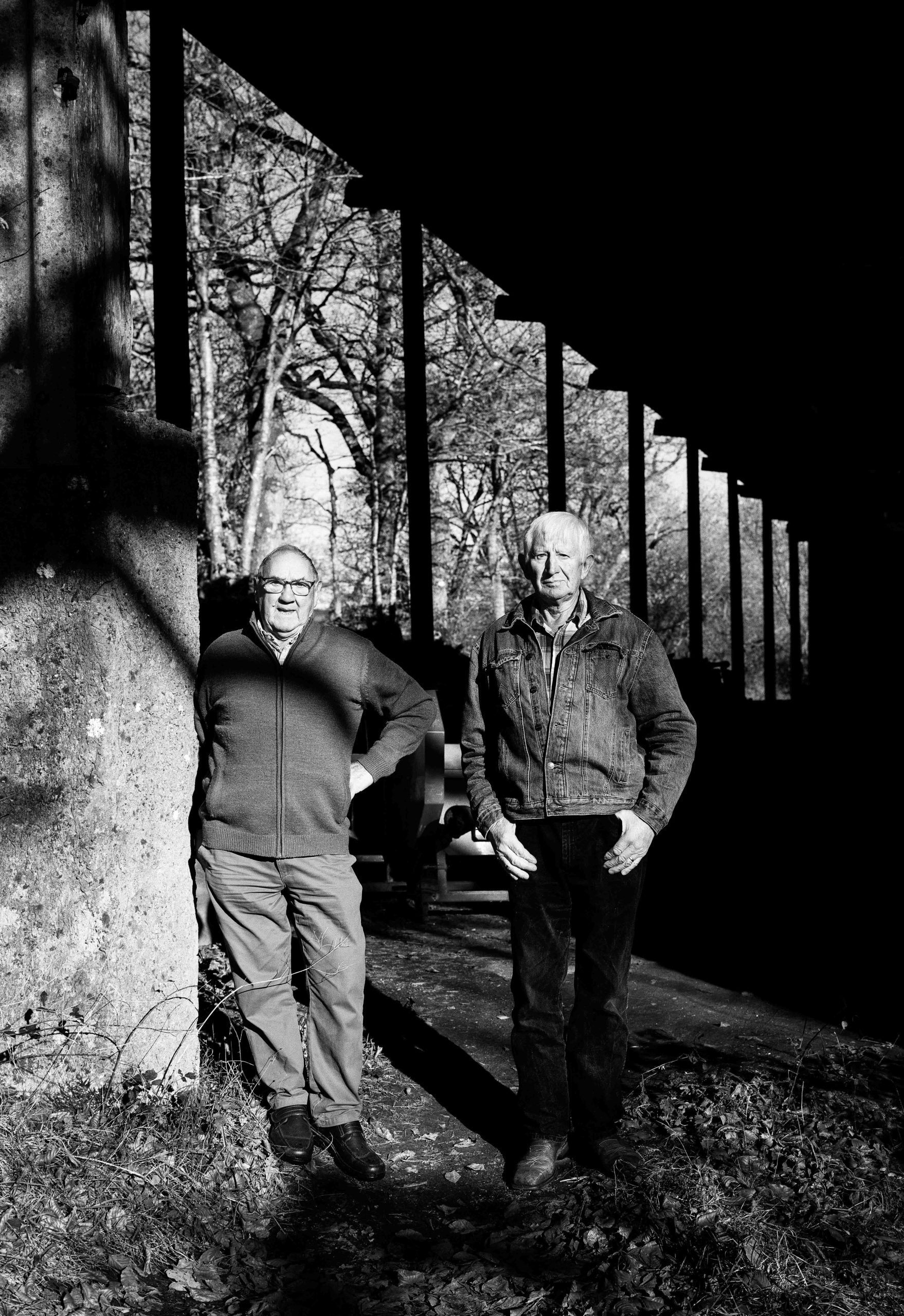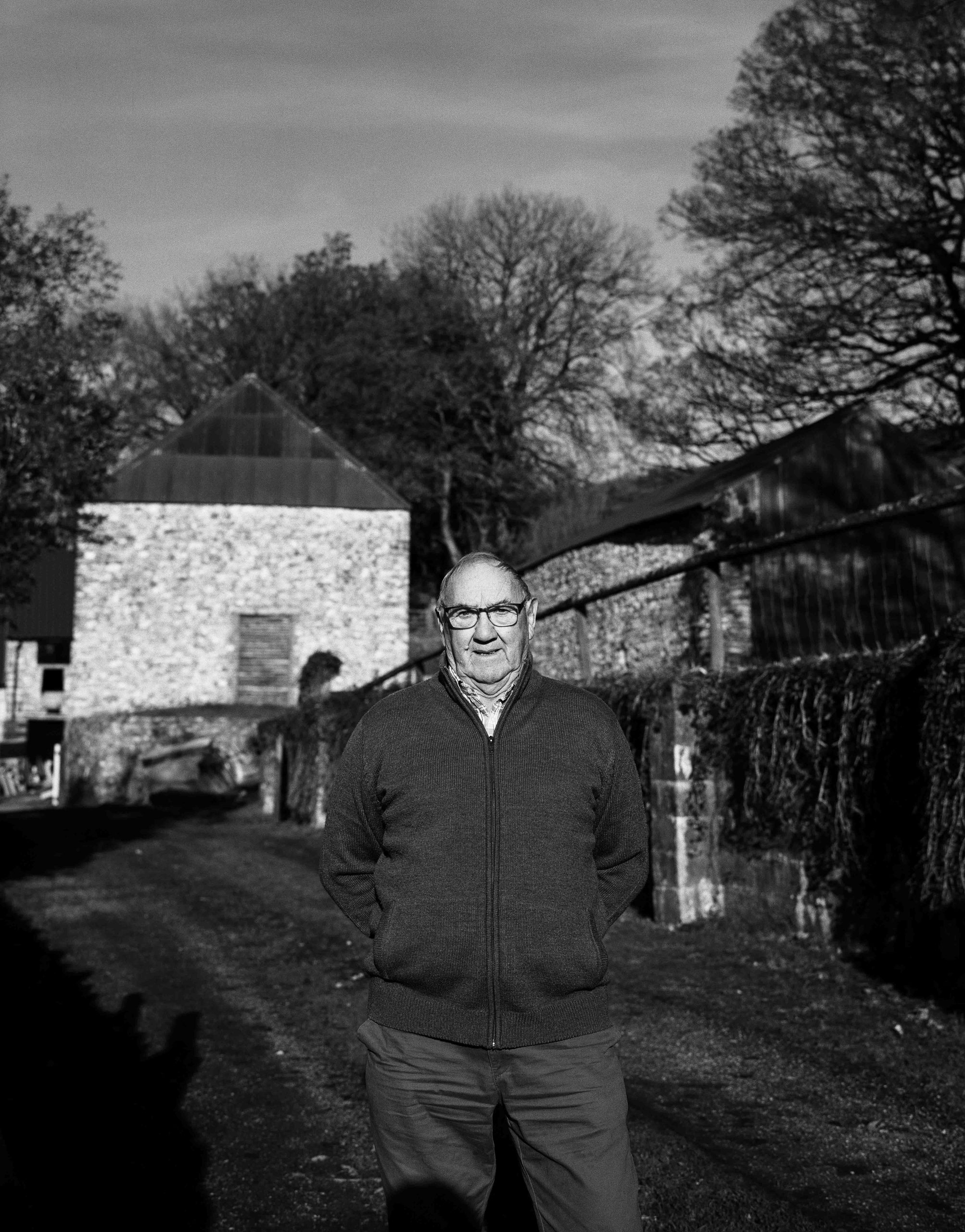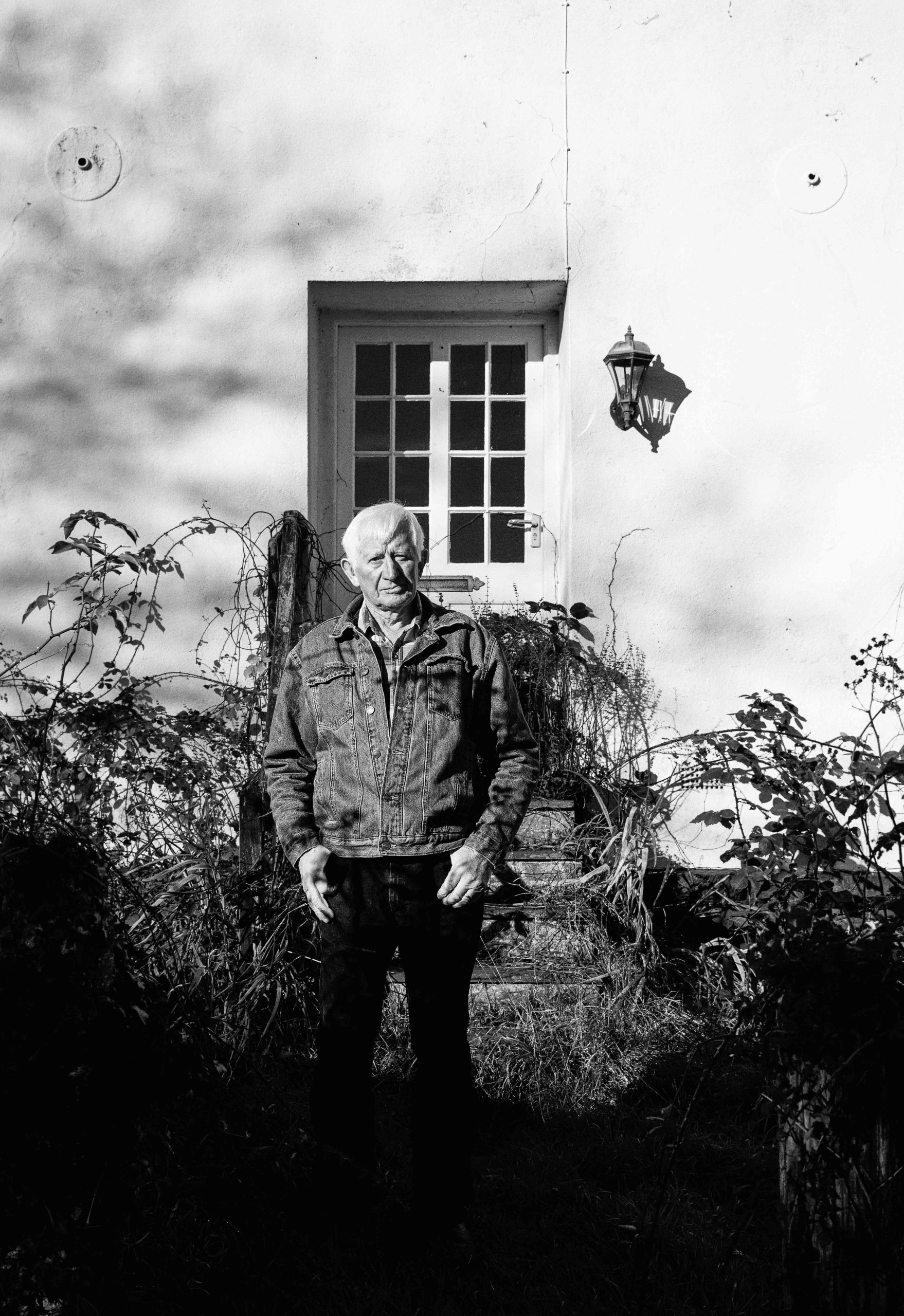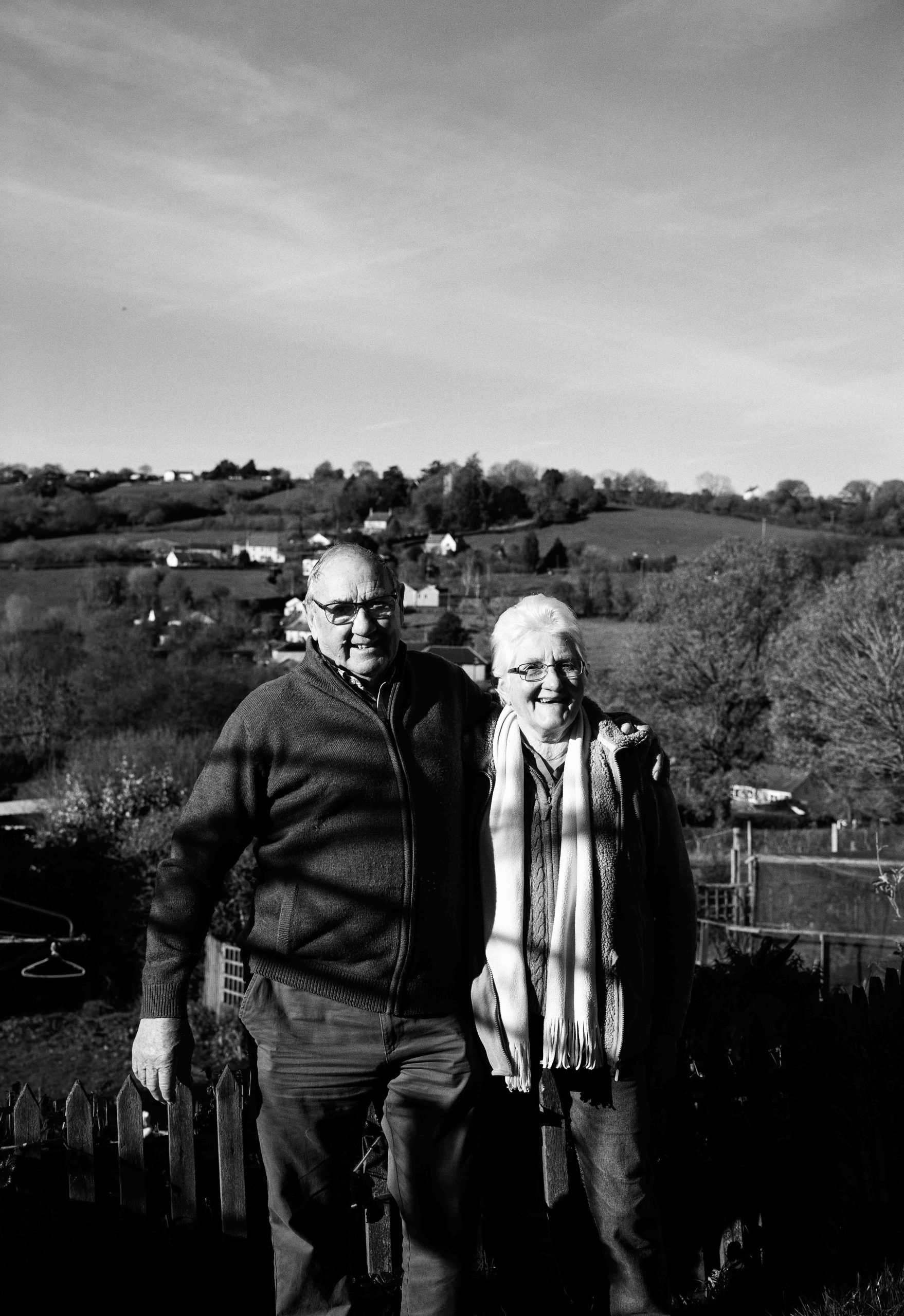
Interview with John Thorne and Brian Pulman
Story 1. The story of the Pulman family and learning to farm at Hillend Dairy
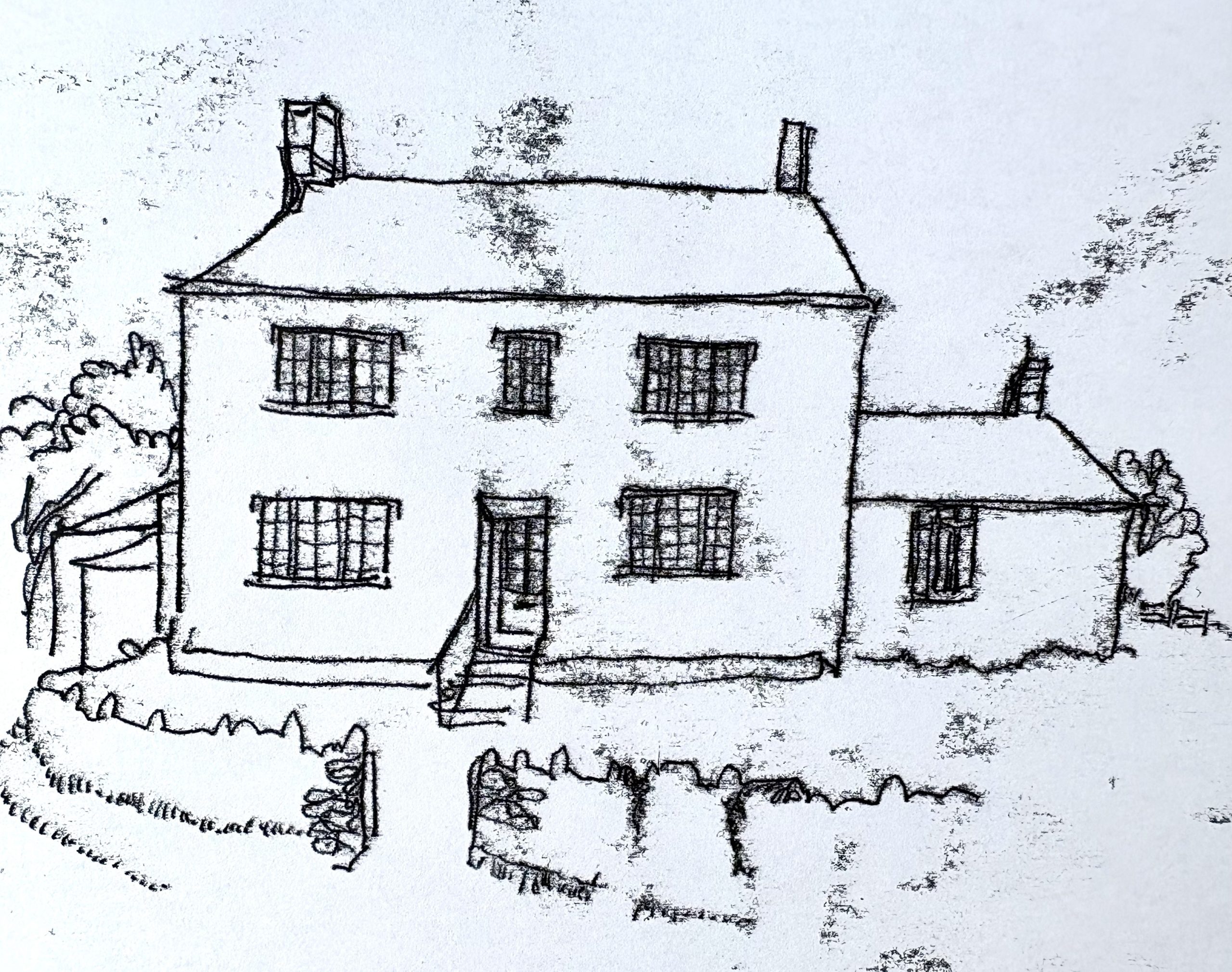
The interview opens with Brian Pulman reflecting on his family’s long roots in Luppitt, stretching back to his grandparents and great-grandfather. Coming from a family of builders, Brian explains how his relatives helped shape much of the local area. He goes on to describe how he first arrived at Hillend Farm as a builder, but soon found himself becoming part of the farming team, where he worked for the next eight years.
“I went [to Hillend] with a builder friend of my father’s, to help him mix cement and concrete, because … they were putting in new partitions in the old cow shed, ready to get the dairy herd in to milk them in stalls. And after about two days I found myself up on the top of Hartridge virtually, on an old Standard tractor, cultivating. And that was the beginning of my farming life basically. I stayed there for eight years. I milked 60 cows, seven days a week.” Brian Pulman
Story 2. The history of the Thorne family farming in Luppitt
John recounts his family’s farming history in the Luppitt valley, beginning with his grandfather renting Lower Moorlands in 1914, purchasing it in 1922, and later moving the family to Higher Moorlands in the 1950s, where they continued to farm throughout their lives
“We all grew up in Luppitt, we never went anywhere. I can remember Father going once on holiday with the family, in August, and we went to Polzeath in Cornwall. And grandfather rung and said he had to come home because they wanted to start harvesting. Back then was when they cut it with a binder of course, so we all come home. And that’s the only time I can ever remember going away. We never wanted to go away really. Plus …we didn’t have no money, but … we never considered ourselves hard up, just that’s the way it was.” John Thorne
Story 3. When self-sufficiency was normal.
Brian Pulman and John Thorne remember a time when farming life in Luppitt was almost entirely self‑sufficient. Farms produced their own food, from milk and meat to cider, with John recalling cider barrels flavoured with a joint of ham and pigs getting drunk on pomace. Brian describes his mother’s poultry work, hand‑carrying feed and eggs, and keeping geese and turkeys.
They reflect on harsher winters, hotter summers, and a close‑knit farming community where long days were shared without machinery or radios. Milk was hand‑milked and collected daily, sometimes cooled in running stream water. Both recall a childhood spent in and around the river — including catching trout by hand — and John ends with the local story behind the myth of “Luppitt Harbour.”
They’d grow everything… everything was homemade…Every farm that I know in Luppitt had an orchard, and they all made cider. John Thorne
Story 4. A sense of community; snow, socials & lockdown.
The sense of community and social life in Luppitt is a recurring theme. John mentions organisations “ like the Women’s Institute and Mothers’ Union, which most of our parents would belong to one way and t’other. Then they’d all get together at times for food and sports days…everybody back then being a community.”
Brain adds that “Everybody knew everybody. They knew how many animals they had; they knew what car they drove.” Not out of nosiness but because it was a close-knit community. Brian believes that village life requires people to get involved in the community.
Story 5. Old farming practices; scything, stooks, ricks, rats and a real Devon hedge.
John and Brian recall the old farming days in vivid detail, from cutting hay with scythes—John admitting “there’s quite a knack with using a scythe”—to the era before combines when they built big ricks, created “stooks in sixes” full of thistles, and left the sheaves out “for two church bells before it was fit to thrash.” When farms did grow corn, Brian remembers Bert’s Marshall tractor going “round all the farms… they’d do the whole village,” with “two on the rick” and galvanised sheets around the base where “hundreds of rats… fell over one another,” leaving the terriers “almost dead when they’d finished.” Turning to hedges, Brian calls modern policy “an utter waste of time,” insisting “there’s no better hedge than a hedge that’s laid,” while John notes that the purpose has shifted—once it was to stop stock getting through, but now “they put wire fences all the way around.” Both agree subsidies and new rules have distorted the craft, with Brian defending the traditional Devon hedge made by hand with “a digger and shovel… a lovely job in the winter after milking,” a skill he has now passed on to the next generation.
Story 6. What makes Luppitt special
For John and Brian, what makes Luppitt special is simple. As Brian puts it, “it’s home… you can travel wherever you want to, but when you come back and look out that gate, you can see why you don’t want to go anywhere else.” John echoes the same feeling: “Luppitt’s home, Luppitt’s where you’re born.” Yet both recognise how the rising “cost of everything” and soaring house prices threaten that way of life. Brian says bluntly that youngsters today “haven’t a hope” because “somebody from London will come in with a couple of million,” while John laments that without affordable homes, “the villages are doomed.” Still, they look back on the life they had—a life of hard work, community and contentment—with gratitude: as Brian says, “It’s been a good life… we made the best of what we could.”
Story 7. Wildlife stories; birds, badgers, hares and horses.
John and Brian speak vividly about the wildlife that shaped their childhoods and the village’s folklore. Brian notes how “there’s a lot of hares… ten times as many now,” while John remembers when curlews and peewits were common before predators increased after modern protections: “If they’d left it to nature… farmers never want to extinct any animals.” They recall how John’s grandfather once “paid the rent of the farm with the rabbit money,” and as boys they chased rabbits in the corn, following behind the binder “they’d hit the sheaves and go arse over head.” The stories turn to TB and badgers—Brian bluntly describing how a badger “would break in the chicken houses,” while John insists their own farm had “badgers all my life, never had TB.” And in true Luppitt fashion, the wildlife tales merge with village legend, including the story of the horse and trap lost in the quicksand on the Common—“the horse and the trap went down… as far as I know they’re still there,” John laughs.