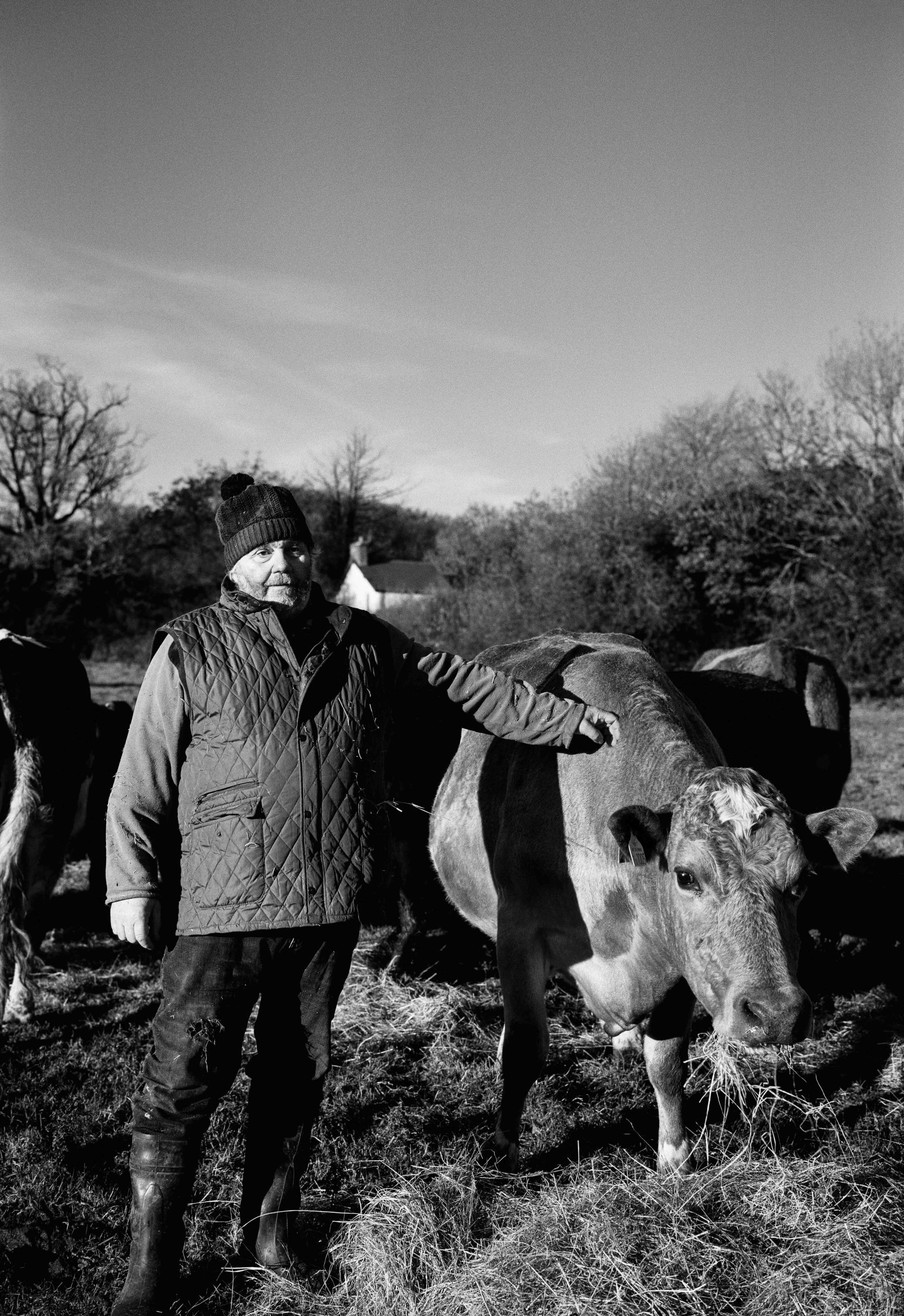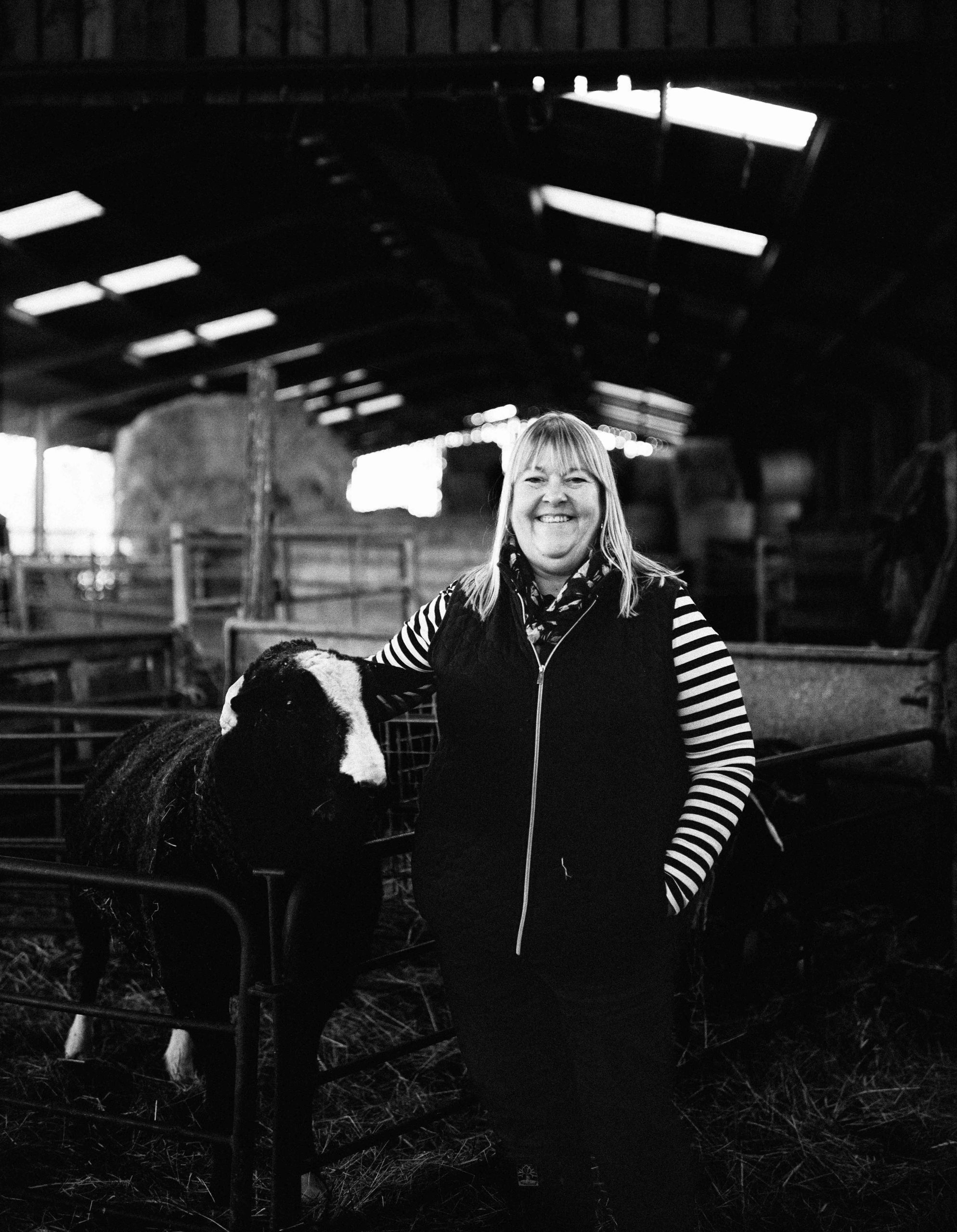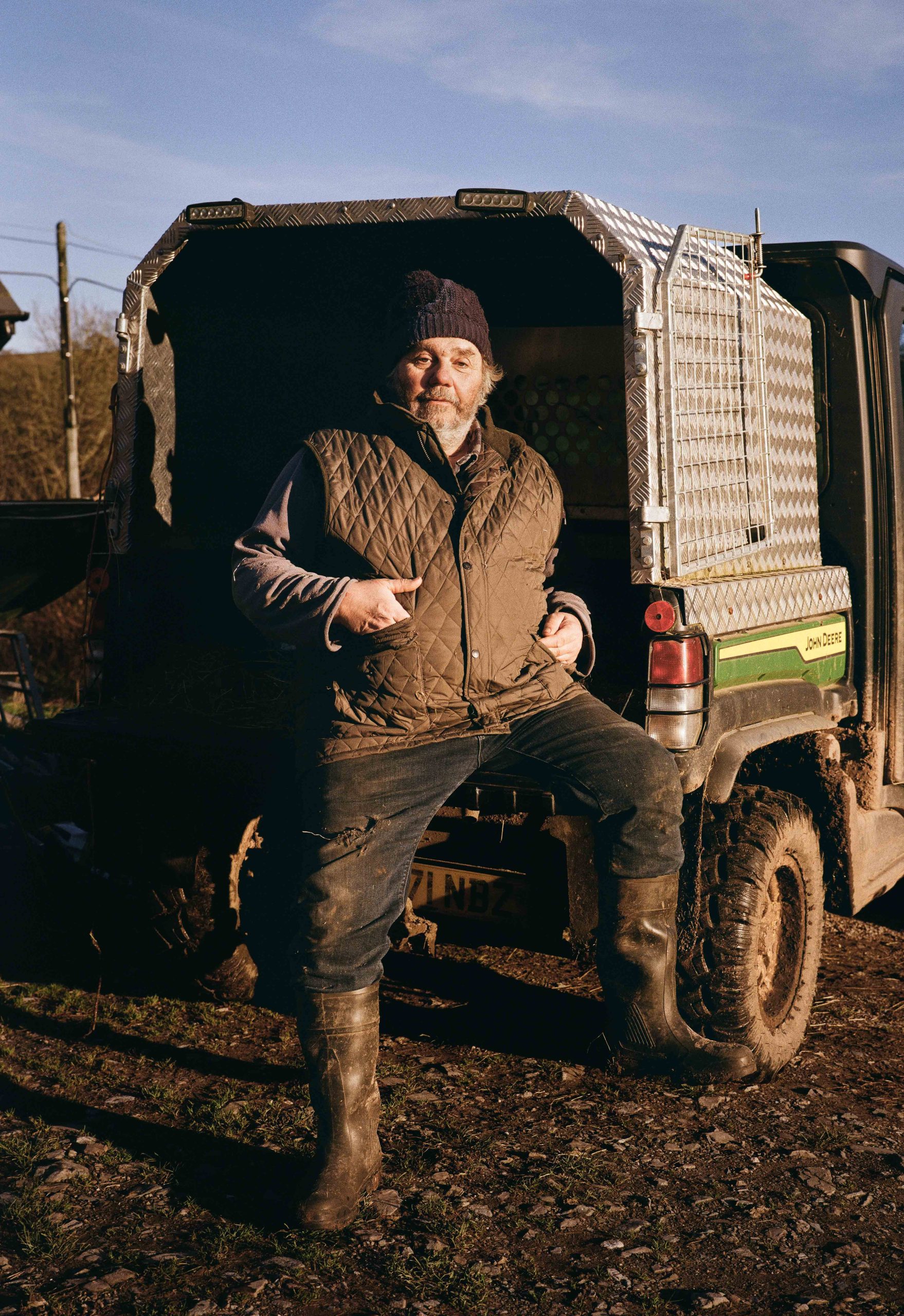
Interview with Ralph & Tracey Rosewell
Story 1. The history of Dolish Farm
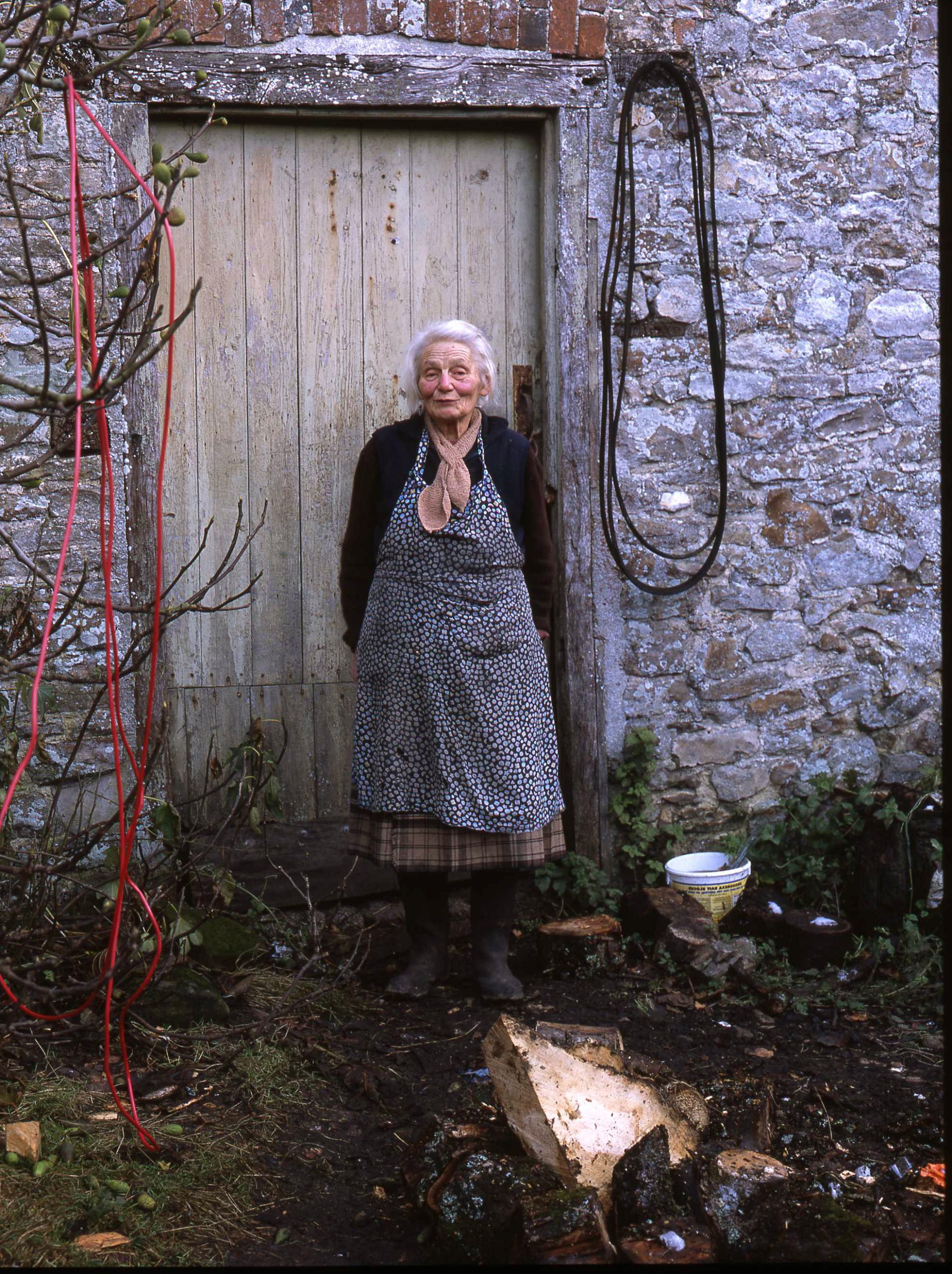
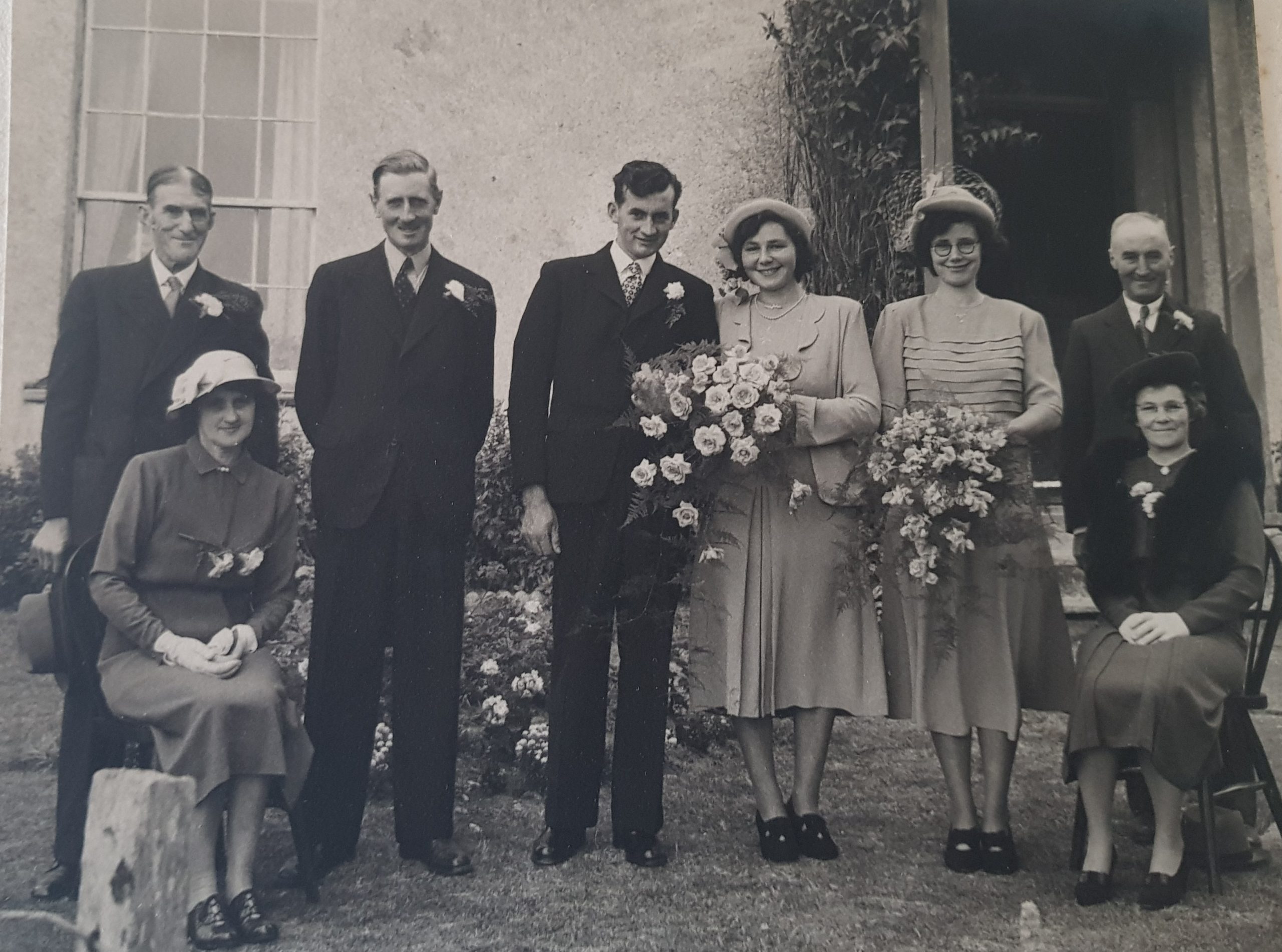
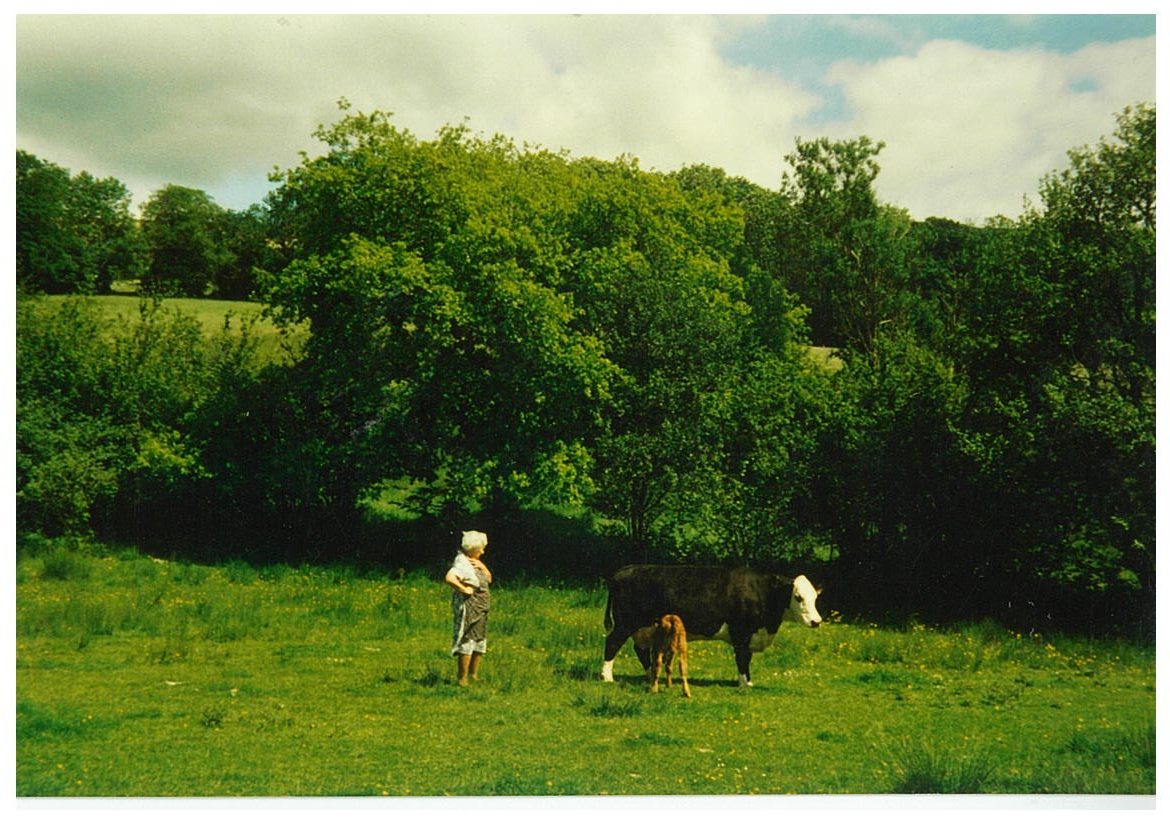
Ralph recalls how his family’s connection to Luppitt began with his grandmother, Laura Warren, who grew up at Mount Stephens, lived at Overday and after marrying Fred Rosewell settled at Dolish Farm in the late 1920s. When the Rosewell family took over the farm, it operated as a traditional mixed holding with poultry, pigs, and dairy cows.
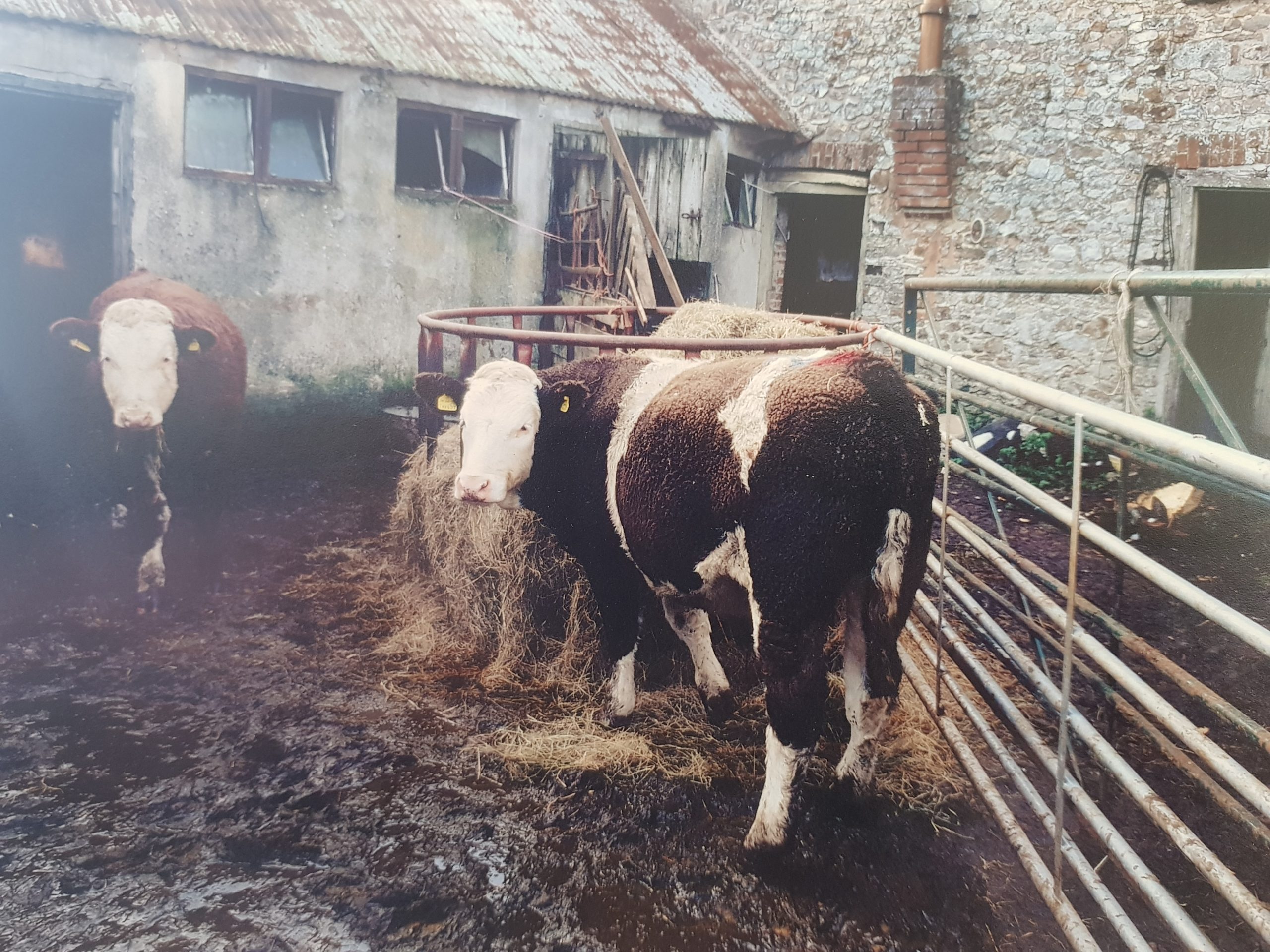
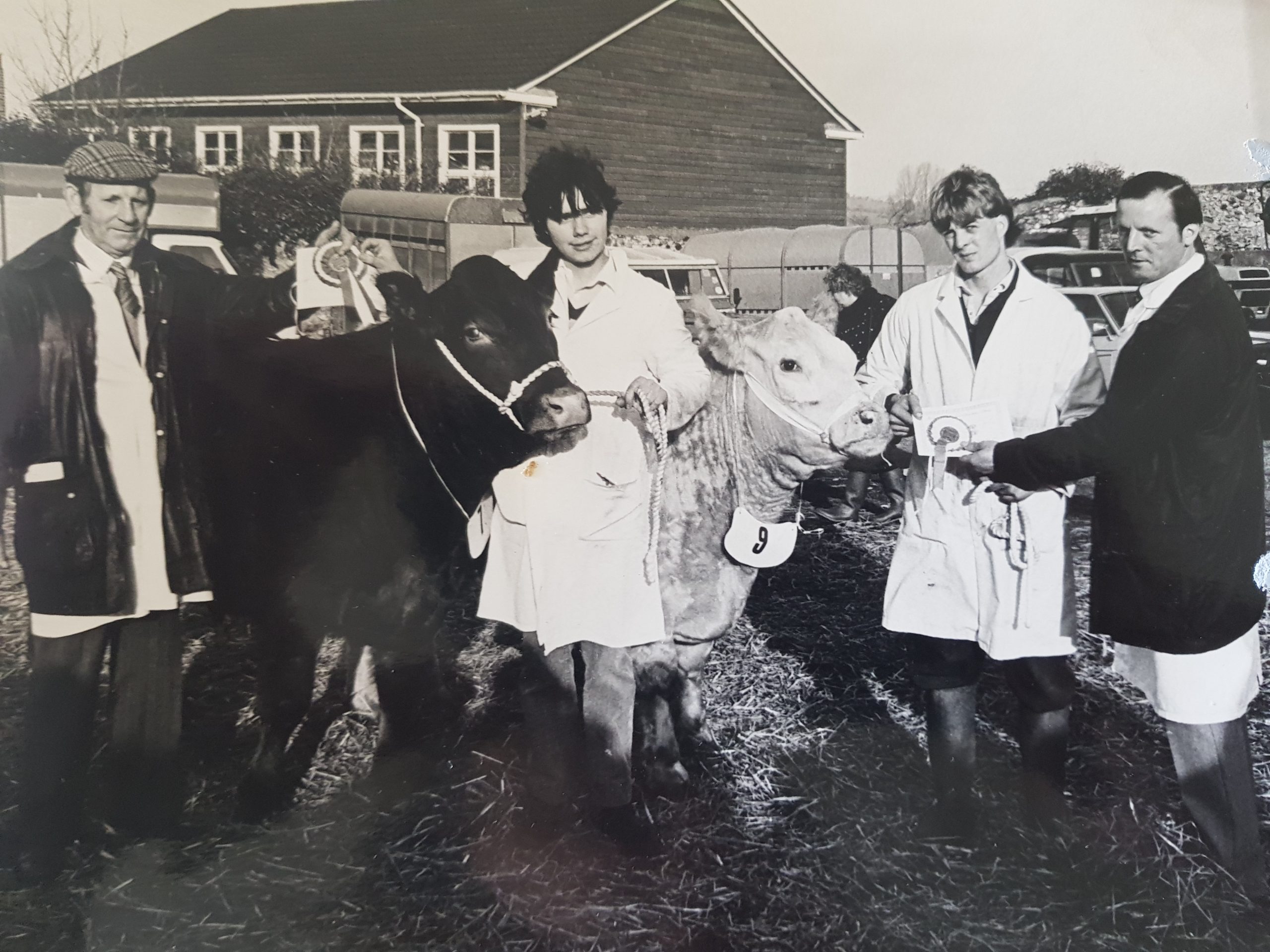
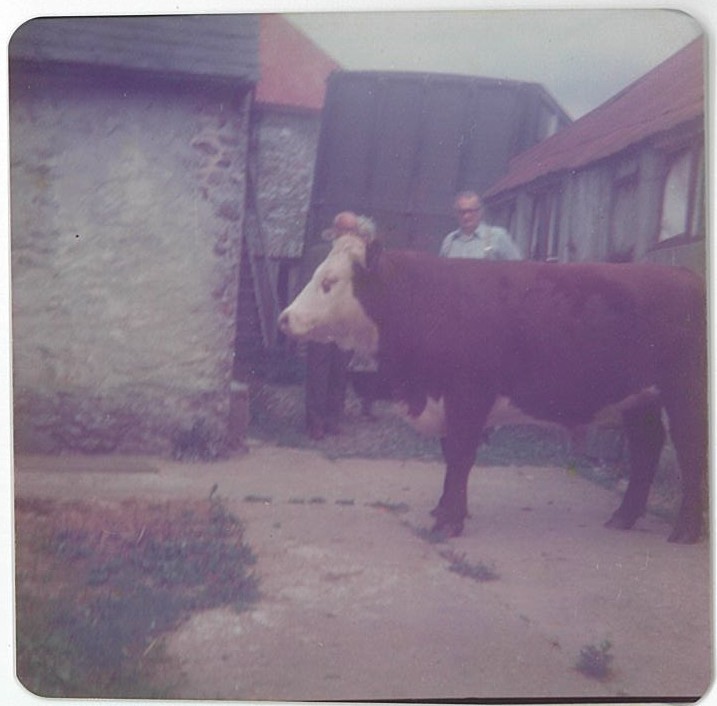
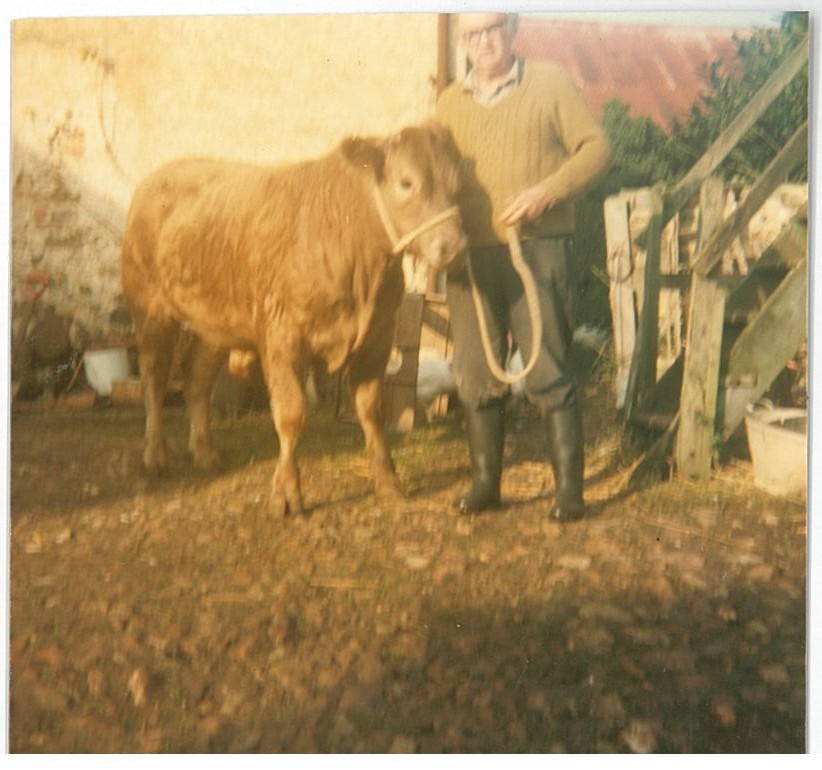
Ralph shares memories of his father milking and describes the shift to beef farming that followed his grandfather’s death in the mid‑1970s. He also reflects on the introduction of milk quotas in 1984—a “closed shop,” as he puts it, and yet another hurdle to get established. Ralph goes on to describe his childhood on the farm, helping with daily chores, caring for prize cows, and accompanying the family to local markets.
“I was in the cake bin [at] three or four…and dishing out the cake…we always had weak animals or little chicks that had hatched round the kitchen.”
Story 2. A Snowy tale
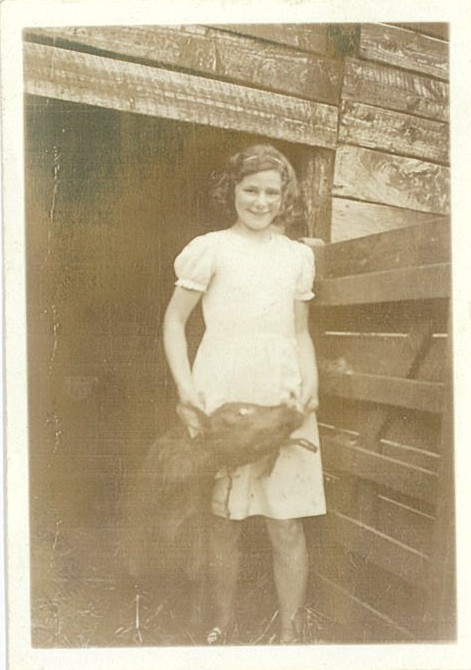
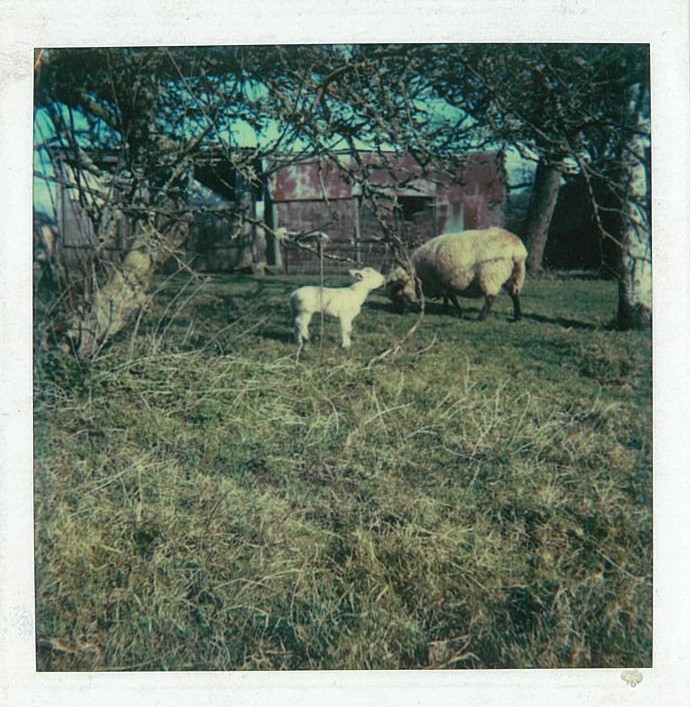
Ralph recalls rescuing a newborn calf on a bitter winter’s night during the period when the new farmhouse was being built and he was living with Tracey in Honiton. The orphaned ‘Snowy’ ‘ as he became known stayed indoors for several days and, once back on the farm, even lived among the lambs for a while, seemingly convinced he was one of them.
“I thought ‘well, I’ve got no electric, no means of warming it up’. So I put it in the back of the Land Rover…rang Tracey and said ‘we’ve got a visitor for the night’. So there was Tracey, with the hairdryer, warming him up in our front room”.
Story 3. A life in Luppitt
Ralph remembers a childhood filled with simple freedoms and community spirit: riding “double‑saddled” across the Common on bikes as boys, going to youth club, Young Farmers’ discos, and the lively harvest suppers, sports days and old‑fashioned dances where “the MC used to put talcum powder on the floor so they could slide around.”
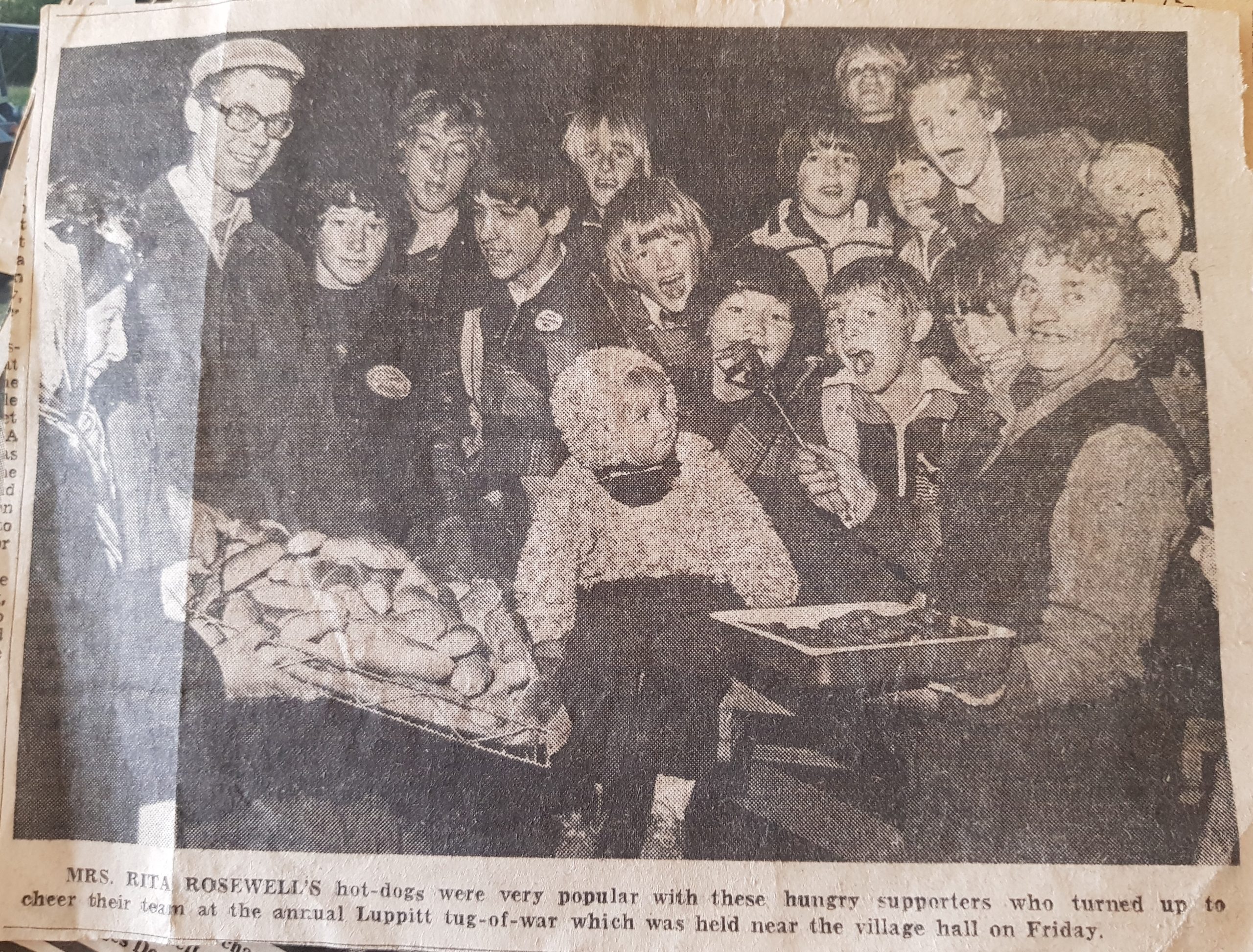
Now that only a few of the farming families from his childhood are still working the land, he says life has changed with many homes no longer tied to agriculture — yet the village still holds a strong sense of togetherness. The pub remains a vital meeting place for “catching up on everyone’s day’s events… who hasn’t cut their hay yet,” and he recalls landlady Mary Wright’s 90th birthday and her beloved 17‑year‑old hen with fond humour. He laughs about the heyday of Luppitt Madness and the renewed popularity of tug‑of‑war, but when asked why he’s never felt the need to leave, he simply says that Luppitt is a “quaint little village… when the birds are singing and everything’s going half tickety‑boo,” there’s nowhere else he’d rather be.
Story 4. Farming then, now and in the future.
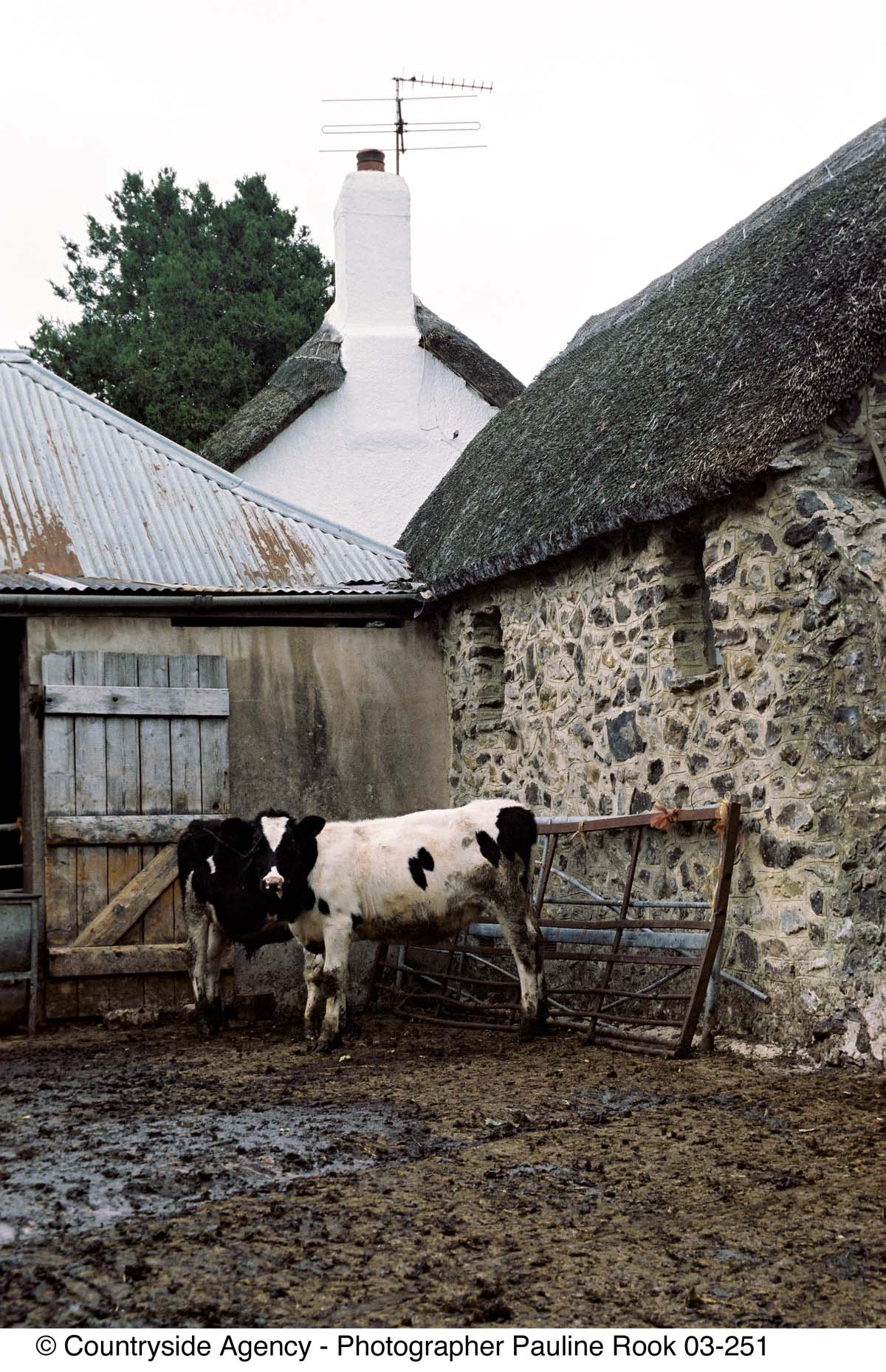
Ralph describes how Dolish Farm today is still worked much as it was in his father’s time, with only modern additions such as a new shed, big‑bale haymaking and wrapped silage. The heavy clay soil, the old field names, the cattle and the hay remain the same, and in recent years he has returned to his father’s low‑input approach to fertiliser use. Ralph also explains that Dolish Farm has long held commoners’ rights; and despite environmental schemes, restrictions and SSSI designations, he notes that “it hasn’t really changed that much.”
Looking ahead, Ralph is open about the uncertainty: with no one to inherit the farm, he expects the land will eventually be sold and “just join another holding,” though he hopes the Luppitt Landscape Project might “enhance what we’re doing.” Alongside this, the family archive remains a remarkable resource of photographs, newspaper clippings, wedding and funeral notices, farm sale reports dating back to 1897, prize‑winning cattle articles and personal memorabilia. A valuable historical record of the Rosewell family, Dolish Farm and the wider Luppitt community.
“Dad would have never ploughed anything, not in my time anyway. But they probably had to plough some of it back in the war. We’ve got this field called Broad Close, and they reckon they were ploughing with two horses, and one died out there because …[of] the hard work of turning the heavy clay ground over.”
Story 5. Clay, collapsing horses, method changes and grass on drugs!
Ralph talks about the land on the farm as having heavy clay soil that’s always shaped how work gets done here. As he explains, “we’d be on clay, it’s fairly heavy soil,” and there’s an old family story about a horse collapsing while ploughing “because of the hard work of turning the heavy clay ground over.”
He goes on to describe how machinery and methods changed over the years, from making small hay bales with village lads helping after school, to moving toward bigger, more mechanical systems. Ralph also explains how he persuaded his dad to cut the big field differently to make the job easier.
More recently, he’s stopped using fertiliser, saying, “I haven’t really missed it — just keep slightly less animals.” He’s starting to see more varied grasses coming back, though he jokes that neighbours probably just see “weeds.”
Story 6. The River Love – How Butcher’s Plat became Beaver’s Plat
Ralph recalls his childhood “playing in the river” below Dolish Farm, and remembers stories from his grandfather’s time about the eels that once filled it. He talks through the farm’s traditional field names, explaining how newer ones like The Tropics came from spells of “real humid weather… dragonflies and horseflies everywhere,” while Butcher’s Plat — once thought to be linked to old slaughtering practices — is now known as Beaver Plat since their reintroduction to the valley. He shares his blunt view of their impact after seeing what they’ve done to his dam: “They look very destructive to me… if I went down there and done what they done, there’d be quite a bit to say.”
Story 7. The mysterious powers of Arthur Salter
Ralph and Tracey recall the remarkable healing powers of Arthur Salter — “the water diviner” who was also known locally as a faith healer. Ralph describes watching Arthur “put his hand up… and his arm shook,” a sight that left him and a friend “wondering what was going on.” He remembers Arthur curing calves’ ringworm, locating water “even from a map,” and, most strikingly, treating Ralph’s mother: after doctors said they couldn’t remove a growth on her foot, Arthur “took her photograph home… worked on her foot for about a month, and it went.”
Story 8. Luppitt harbour, sniddles and enough blue sky to make a pair of trousers.
Ralph offers a glimpse into the humour, folklore, and language that shapes the Luppitt valley as he shares his take on the legendary tale of “Luppitt Harbour,” which he always heard was wartime “propaganda… they’d bombed Luppitt Harbour.” He mixes these stories with the local dialect he grew up with, from the soft drizzle of “a few sniddly mornings of rain” to the promise of doing something “dreckly.” Along the way, he recalls old country sayings — like judging the sky because “if there’s enough blue to make a pair of trousers, it won’t rain”.