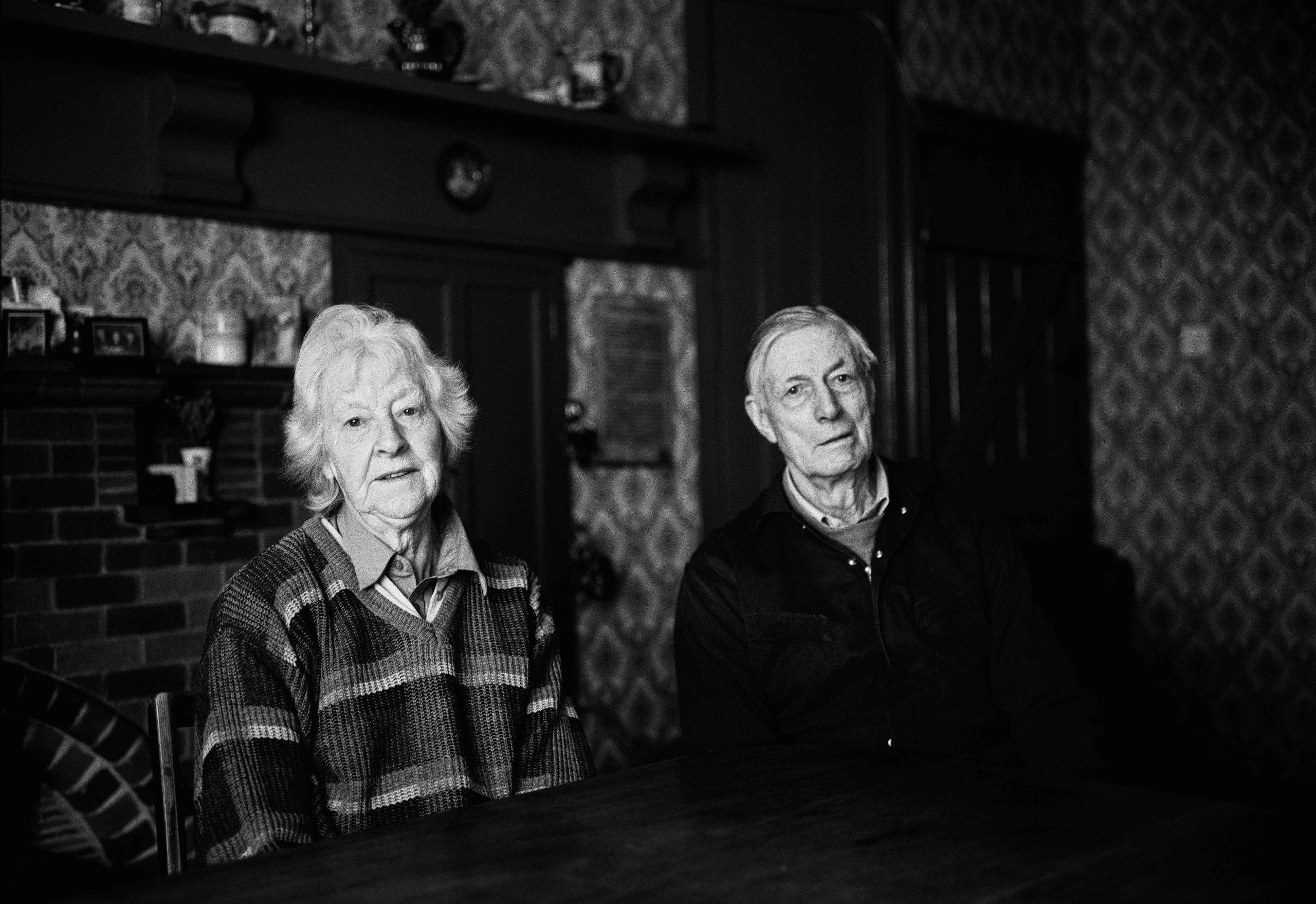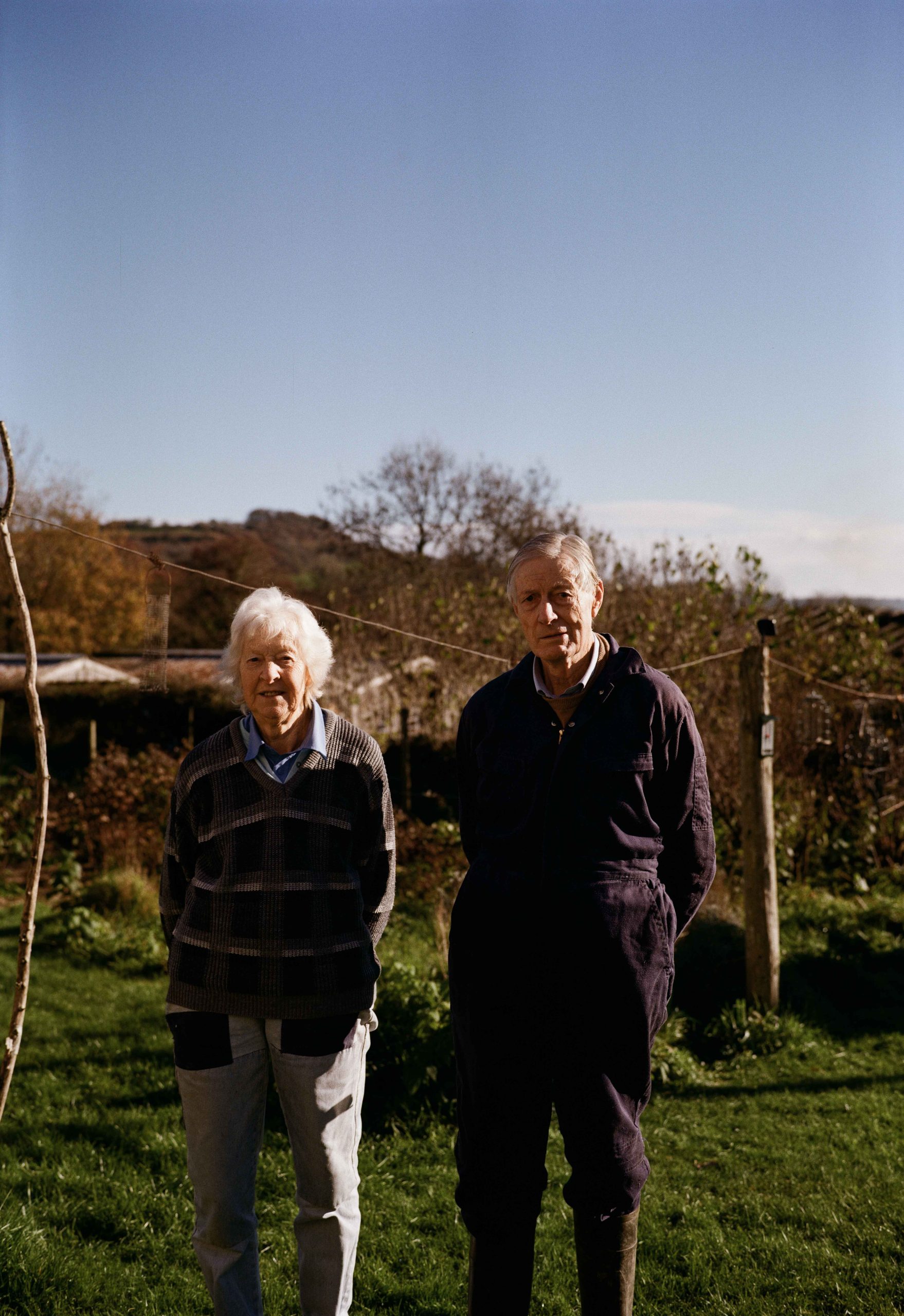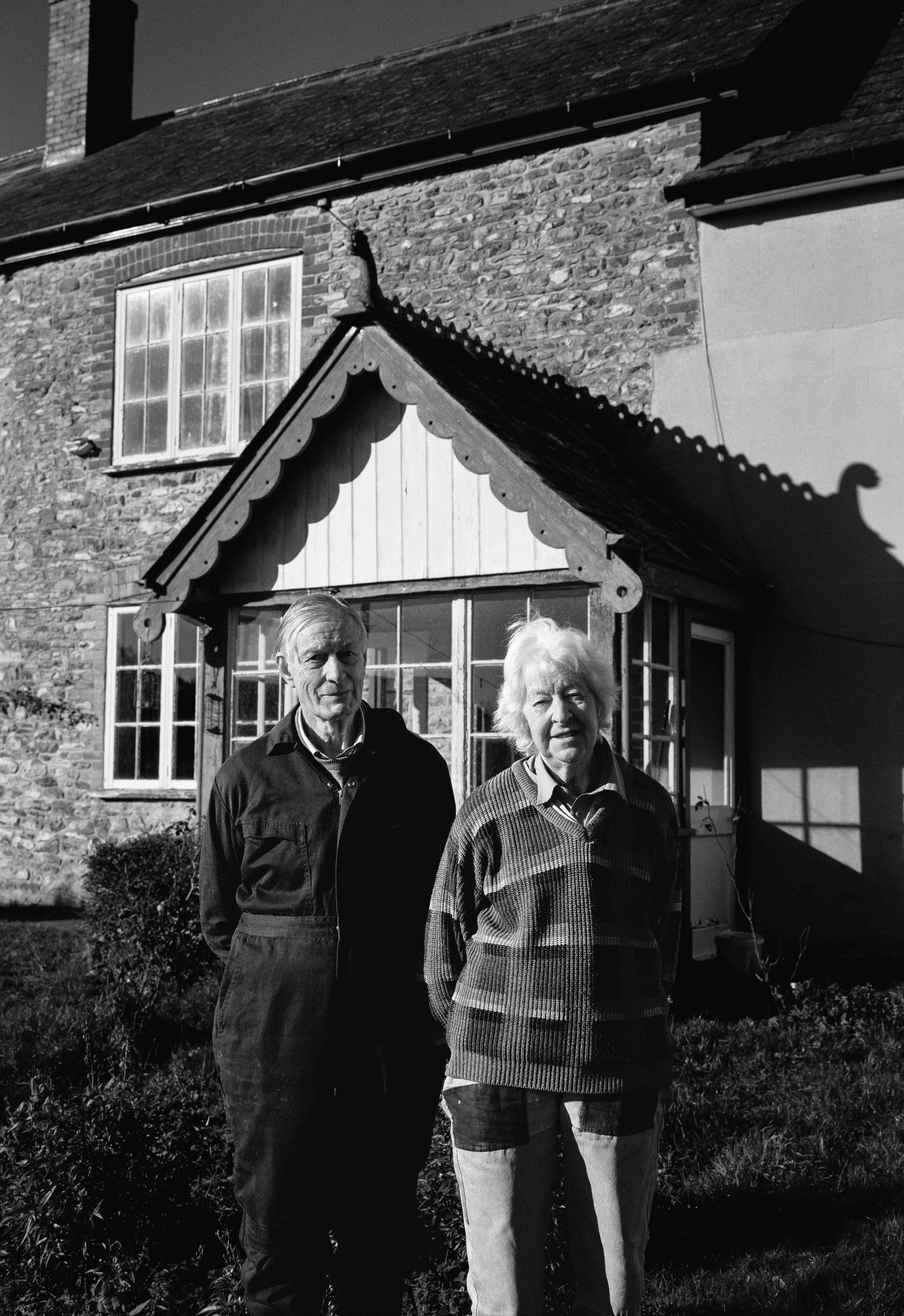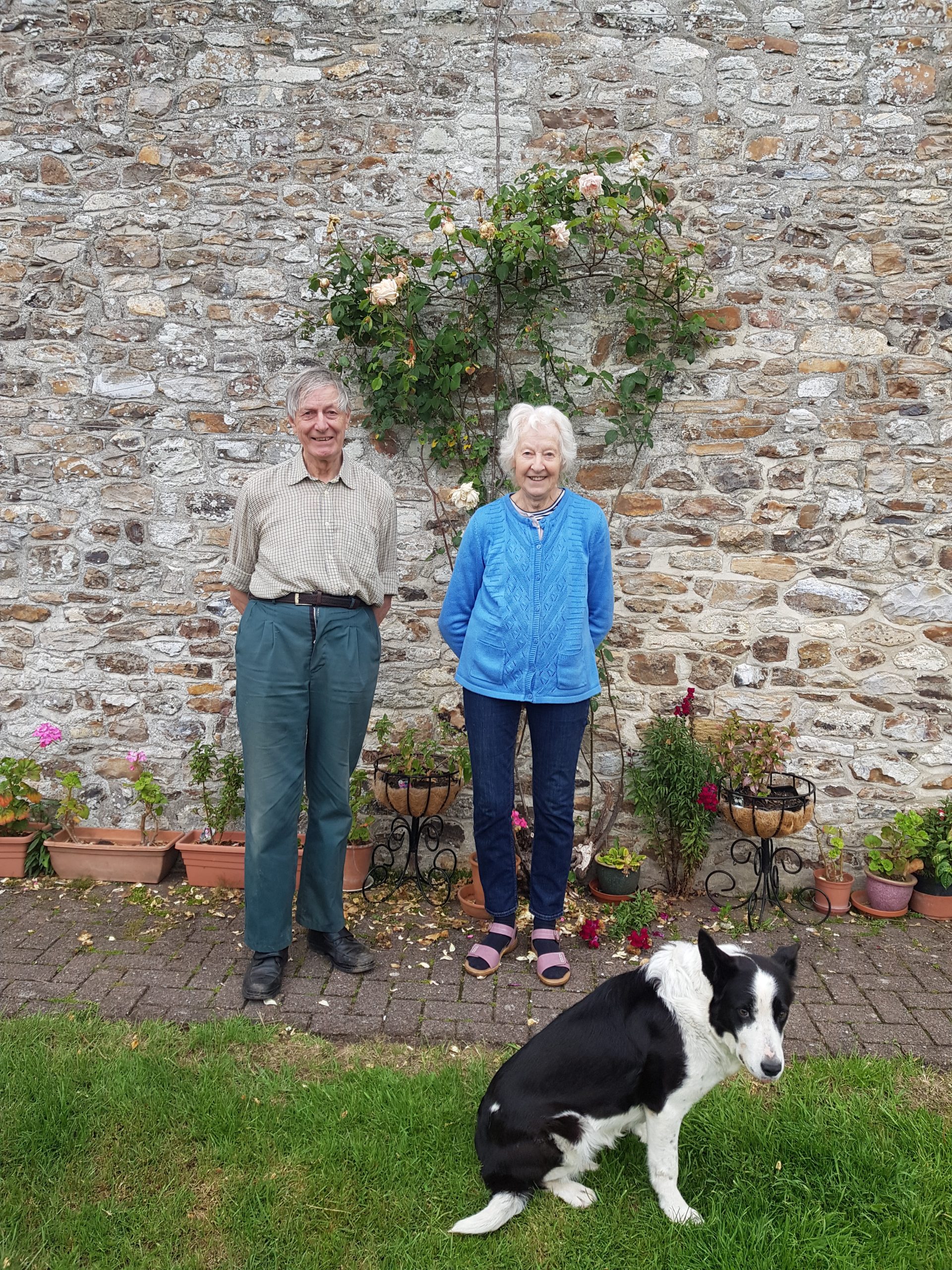
Interview with Fred Sage & Mary Sansom
Story 1. The history of Lower Shelvin
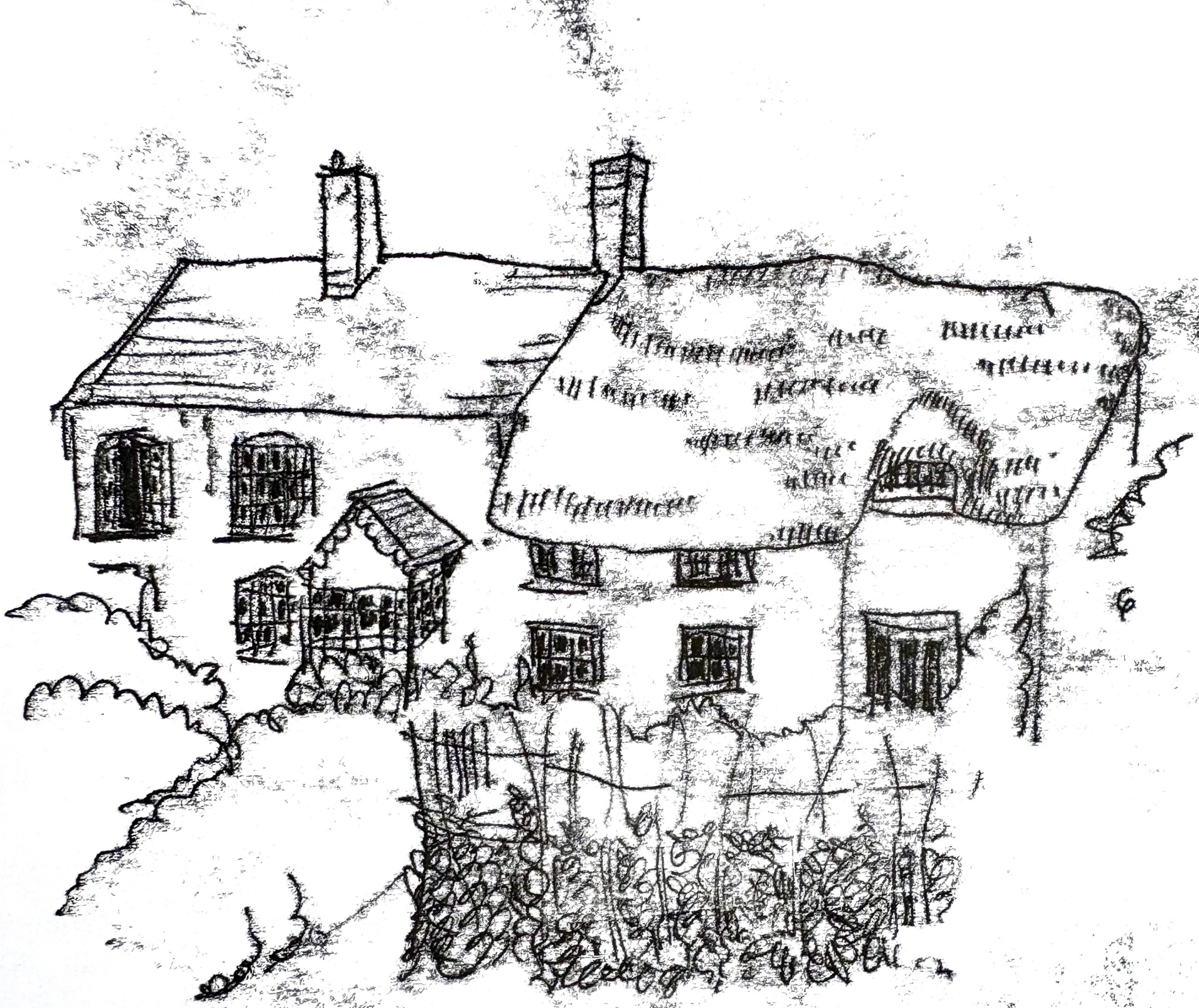
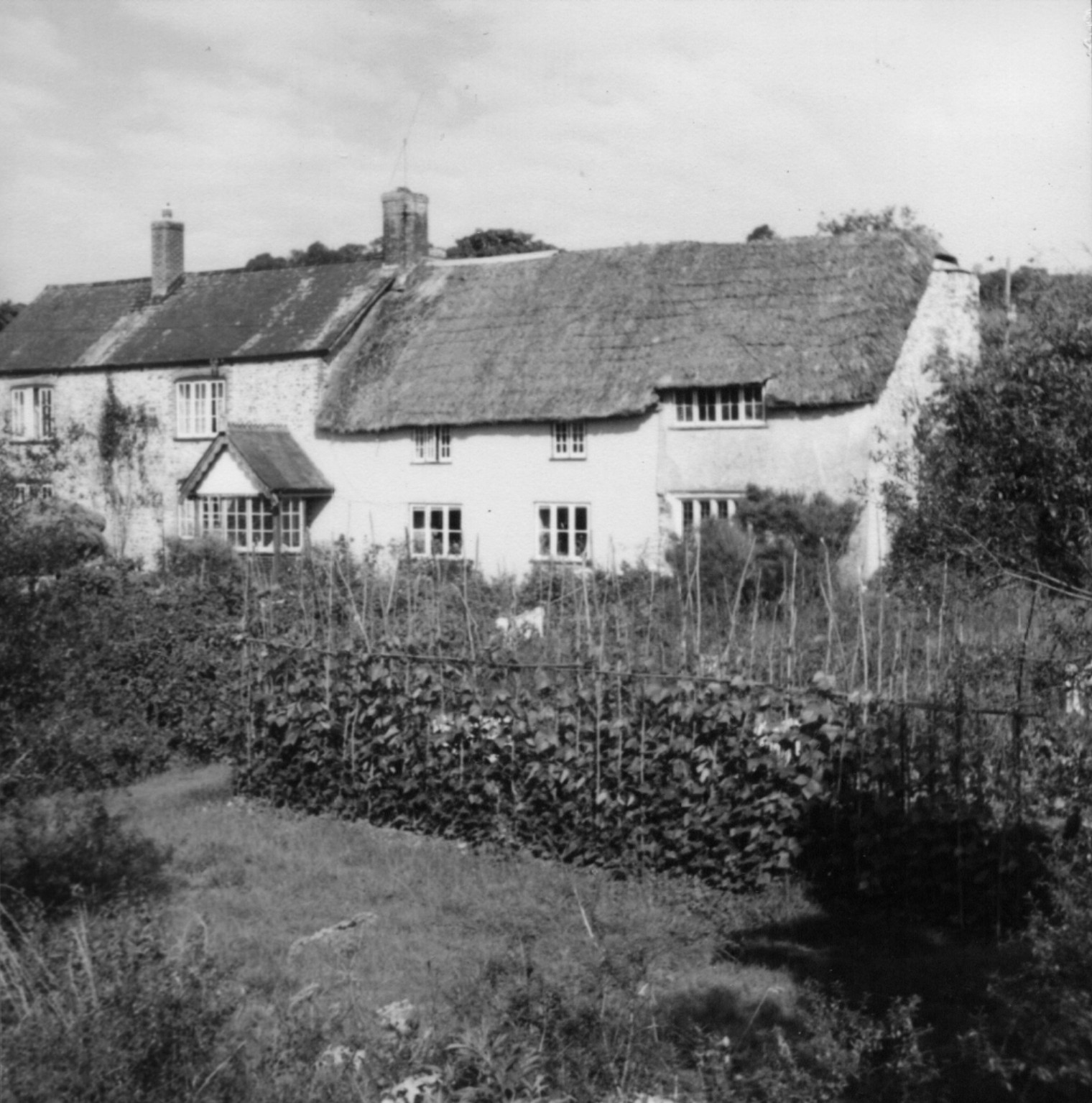
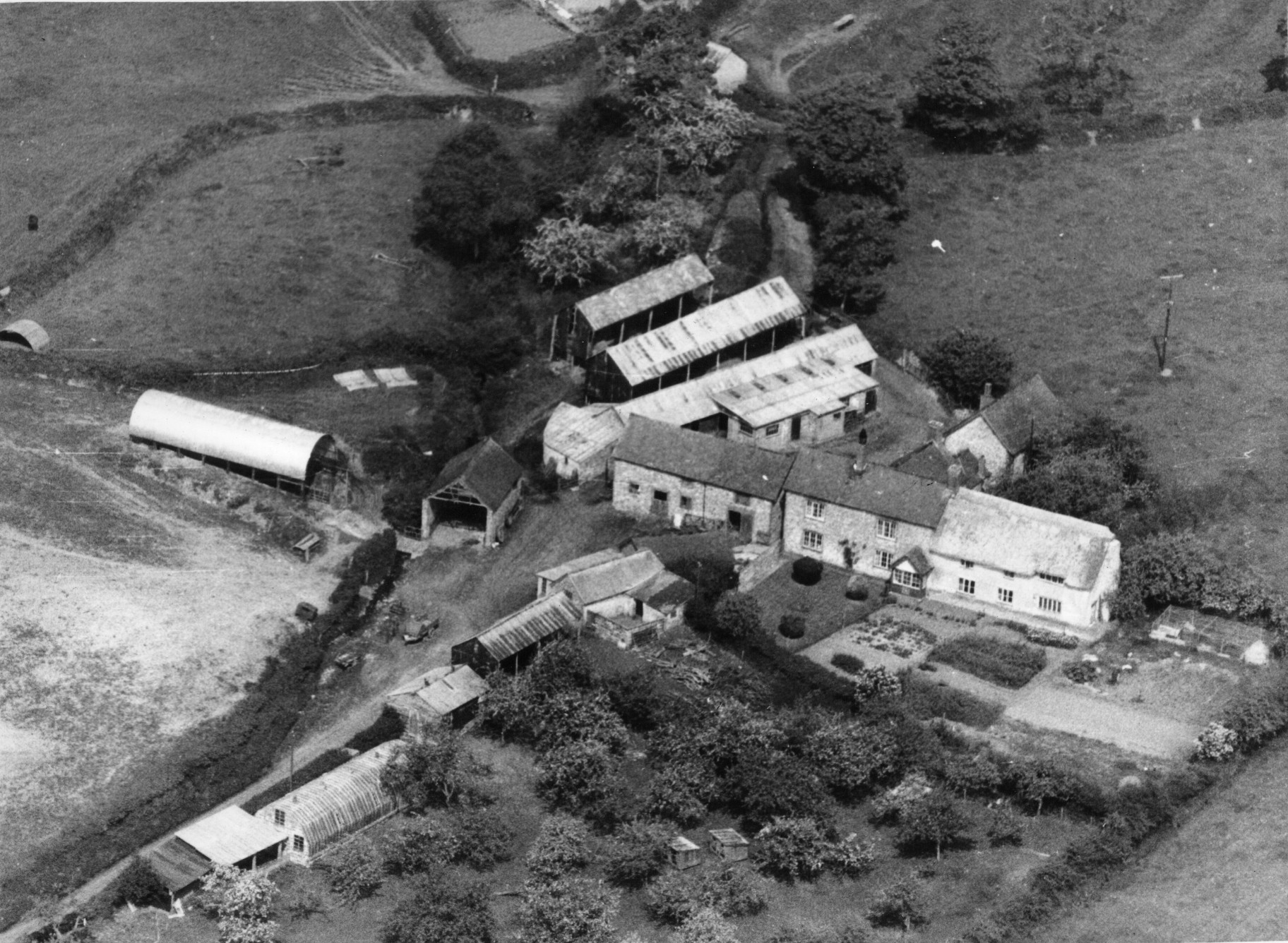
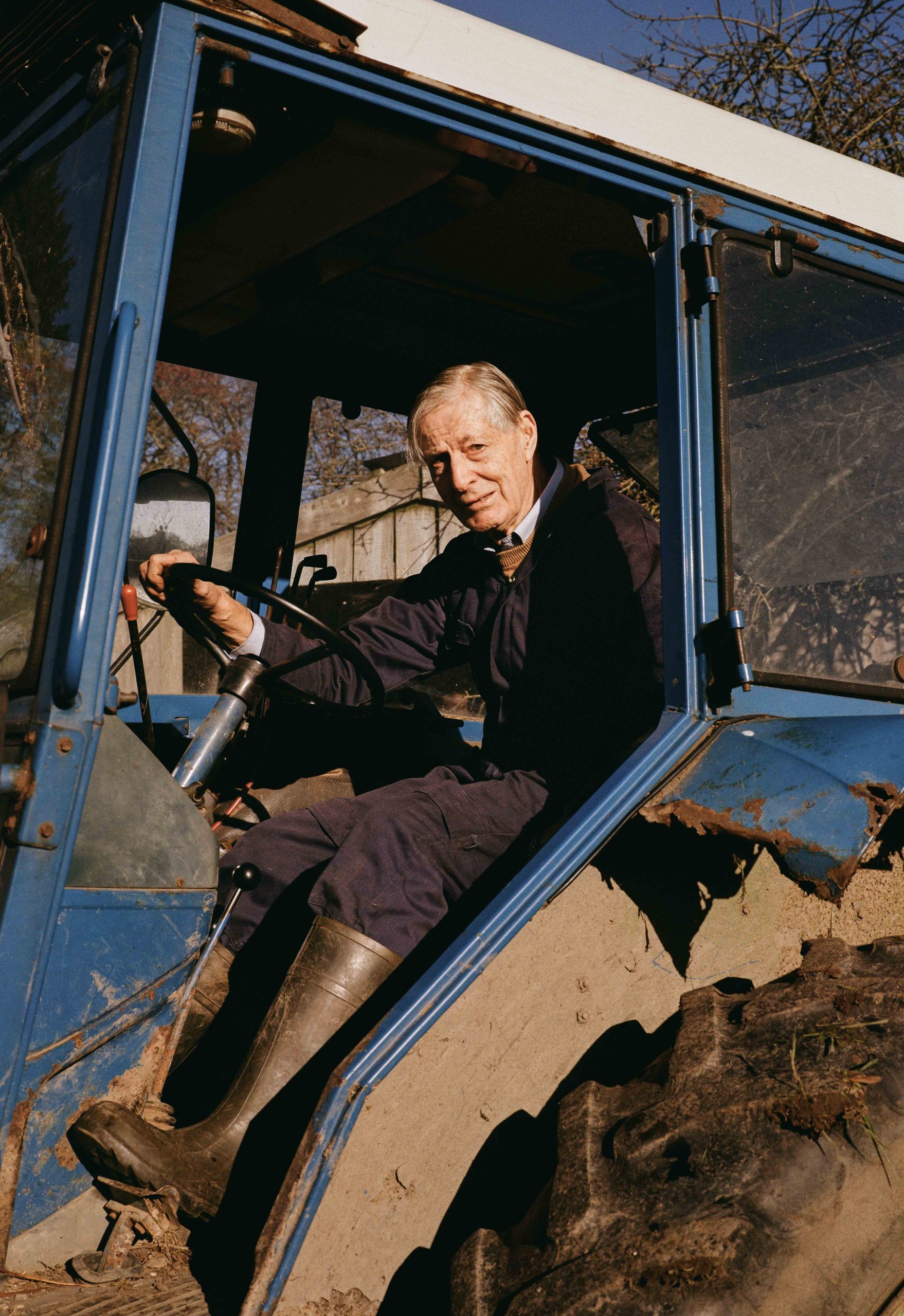
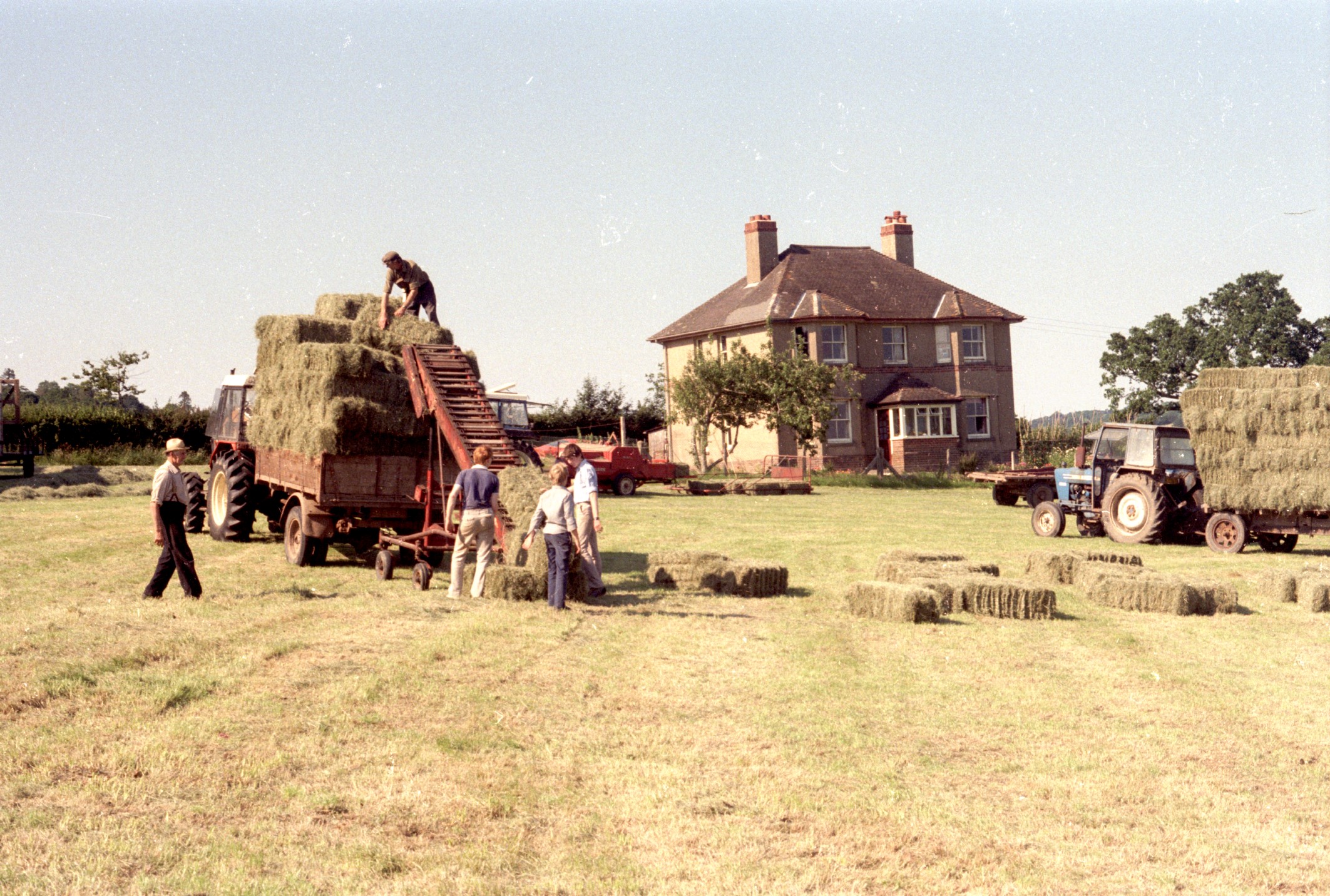
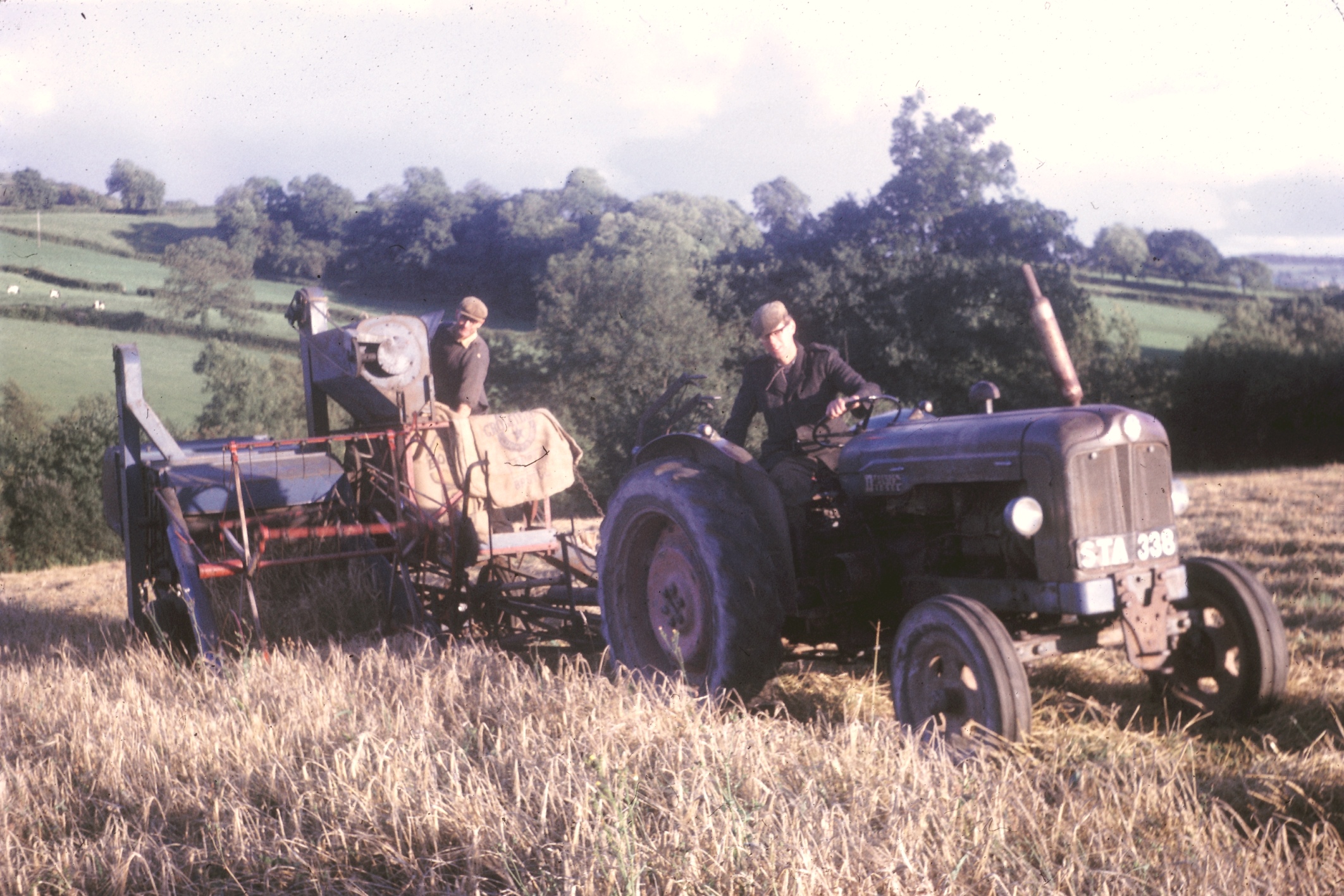
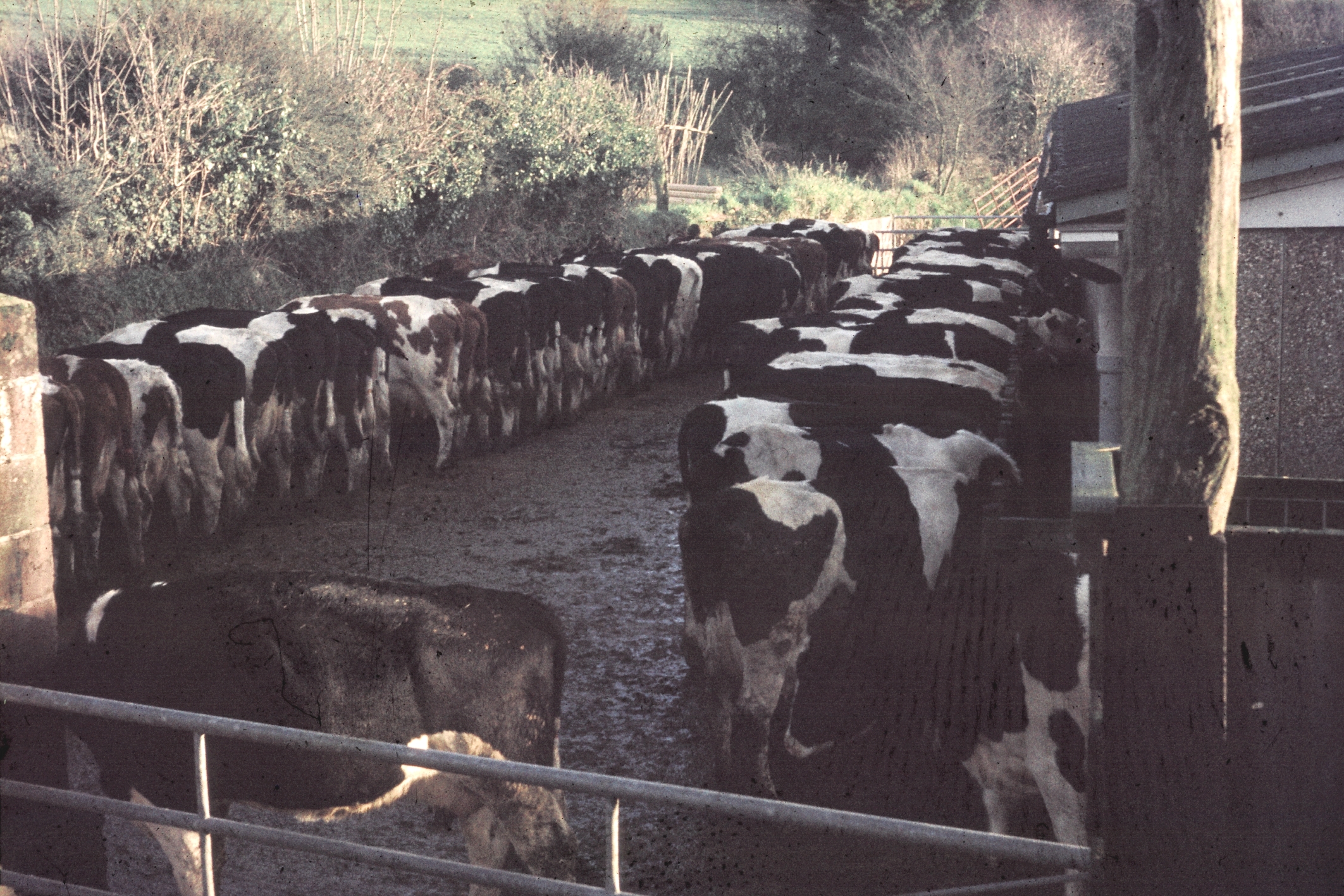
Lower Shelvin Farm has been shaped by generations of the Sage family, who first came to the parish in the late 19th century, when Fred and Mary’s grandfather took on the land as a tenant before purchasing it in 1917. Originally “a mixed farm of that era… all done with horses and hand labour,” it produced hay, root crops and livestock before mechanisation transformed daily work. Fred recalls the shift beginning when “the first tractor came to the farm,” enabling expansion and contracting work across neighbouring holdings. Their father, remembered as “very much an innovator,” modernised buildings, grew the dairy herd and oversaw the transition from mixed farming to a fully milking enterprise. For decades the farm was almost entirely self‑sufficient—“everything on the farm was born on the farm”—but ongoing challenges in securing labour eventually contributed to the end of dairy operations.
Story 2. Early memories of life on the farm
Mary and Fred reflect on their earliest memories of life at Lower Shelvin Farm, recalling a childhood “with no electricity,” tin baths by the fire, and a farm worked entirely before tractors arrived. They describe the major farming changes they witnessed over time—mechanisation, expanding herds, and a way of life built on self‑sufficiency. Fred also shares vivid wartime memories of the American troops stationed at Oxford Cottage, explaining that the searchlight was placed there “because it was behind Dumpdon Hill for aircraft coming across the Channel,” offering strategic cover as planes approached Bristol.
Story 3. Traditional skills; from thrashing to thatching, hedgelaying & cider making
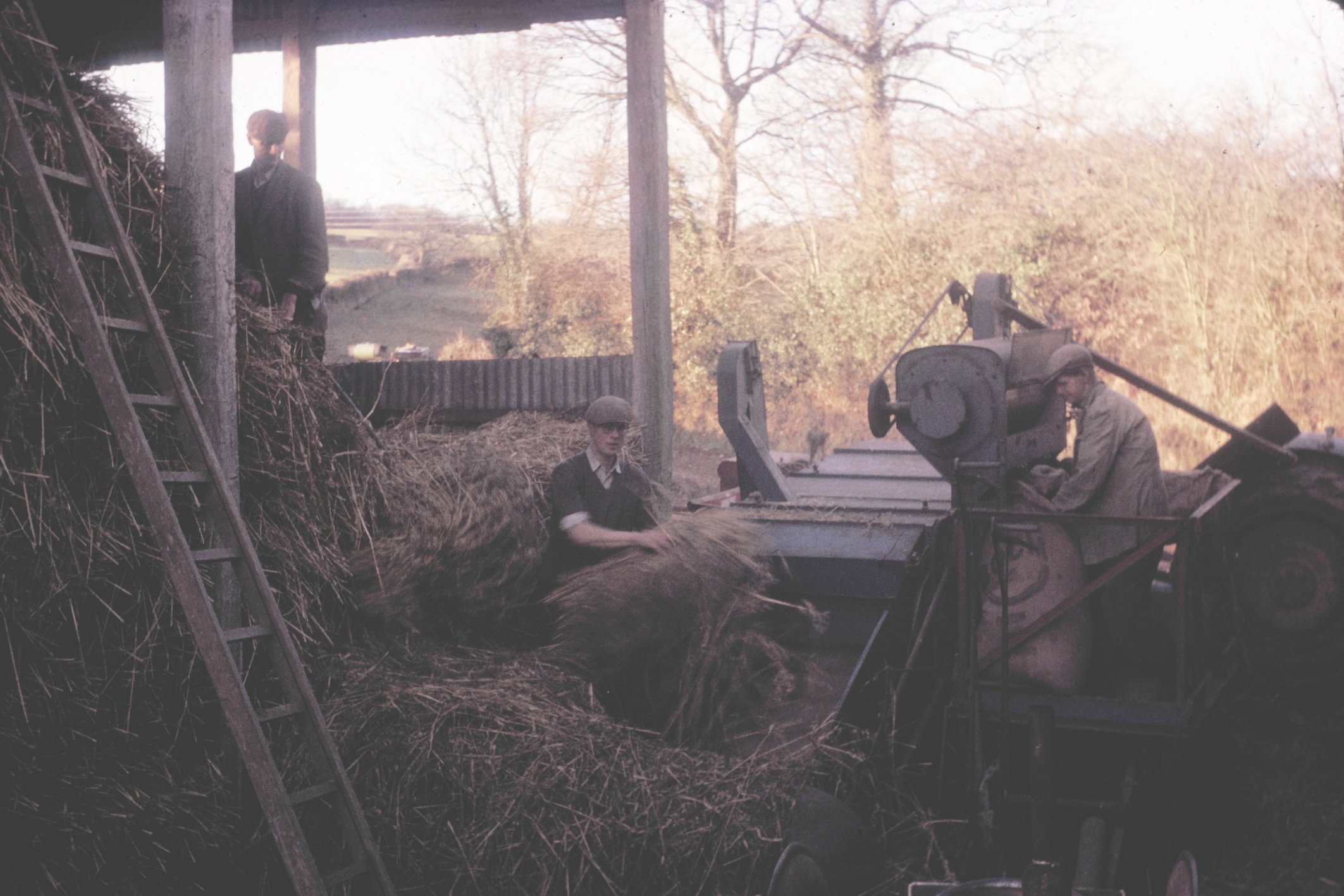
Fred and Mary discuss the traditional skills that shaped life on Lower Shelvin Farm, recalling a time of “ricks… binders… and threshing” before modern machinery replaced hand‑led methods. They reflect on the challenges of maintaining these labour‑intensive practices, and the enduring value of hedgelaying—a craft Fred describes as essential because “you can’t just cut everything off a hedge and hope it’s going to regrow.” They also touch on the farm’s long link to orchards and cider making, remembering that every holding once kept its own apples and produced cider where, as Fred notes, “nothing was wasted.” This conversation highlights how these skills, once vital to farm survival, still inform the character and landscape of the farm today.
Story 4. Water supplies & river health
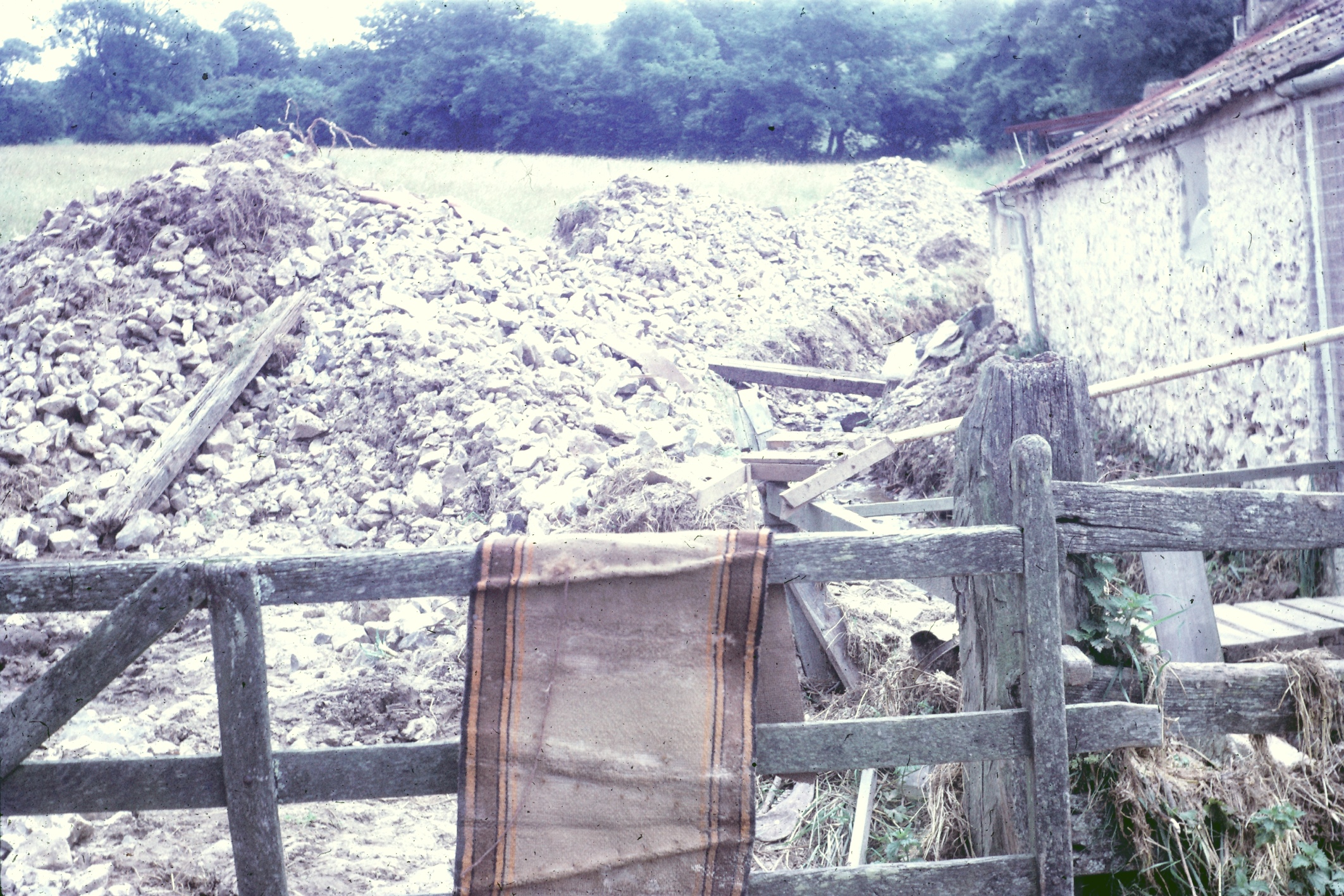
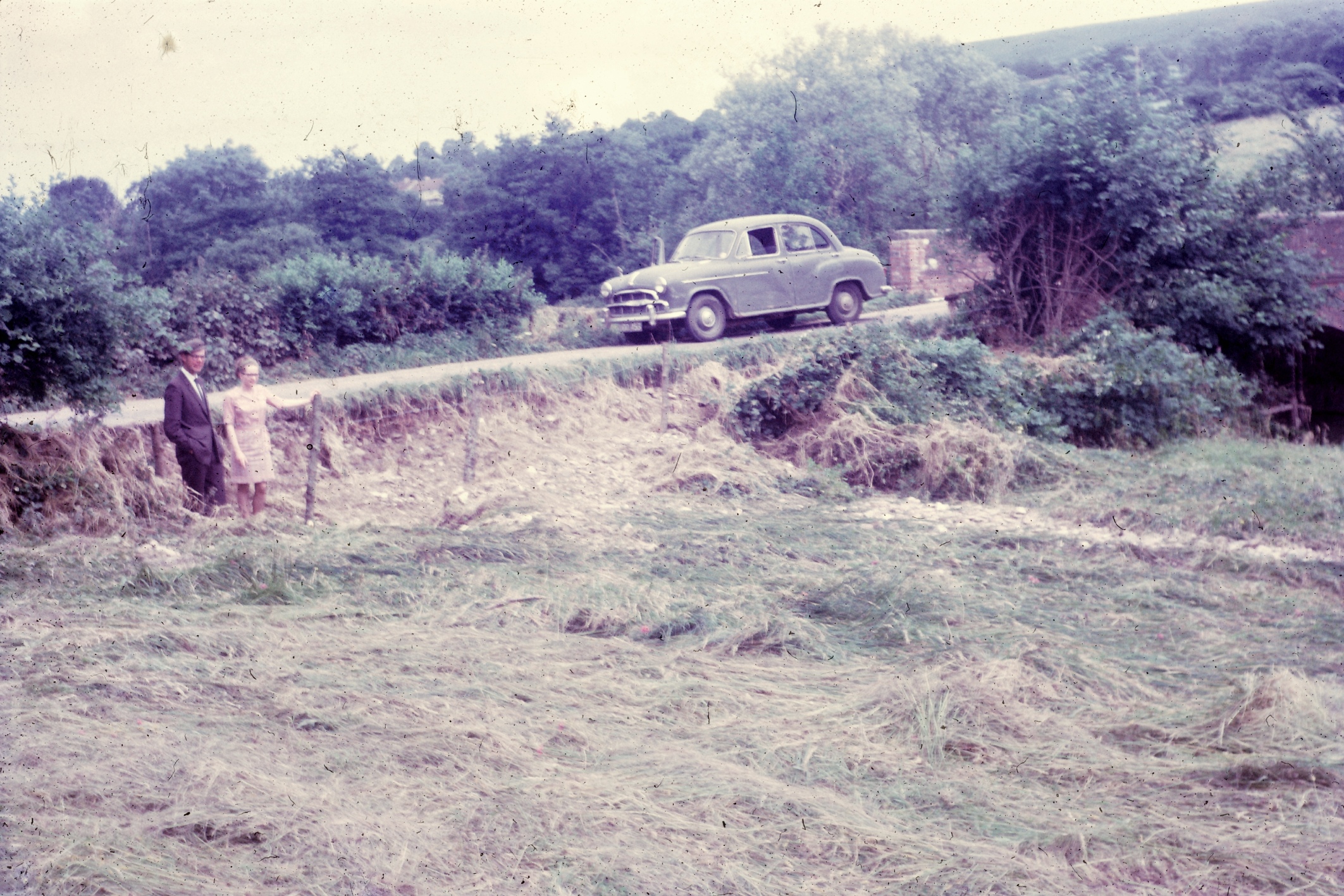
Fred and Mary discuss the farm’s water supply and the long‑term challenges of improving stream and river health on the land. They describe the reliable spring that feeds the farm, but also the “erosion of the stream beds” and the way heavy rainfall now causes fast‑moving floods that impact farms “further down the river valley.” Fred notes that improving water quality “is a slow process”—and recalls the river life they once saw regularly, from bullheads and minnows to eels and caddisfly, many of which have now disappeared.
Story 5. Climate extremes and the ongoing challenges
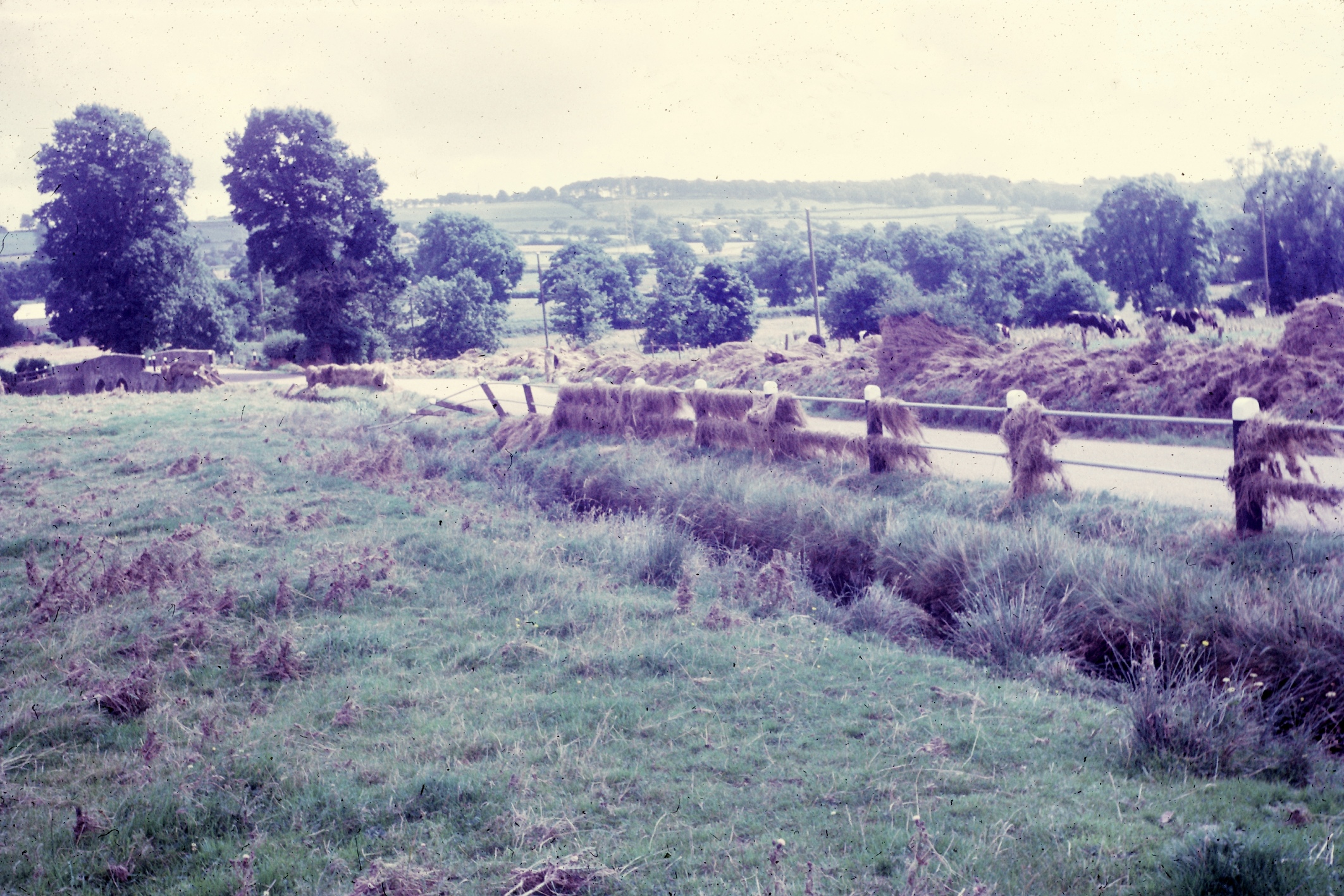
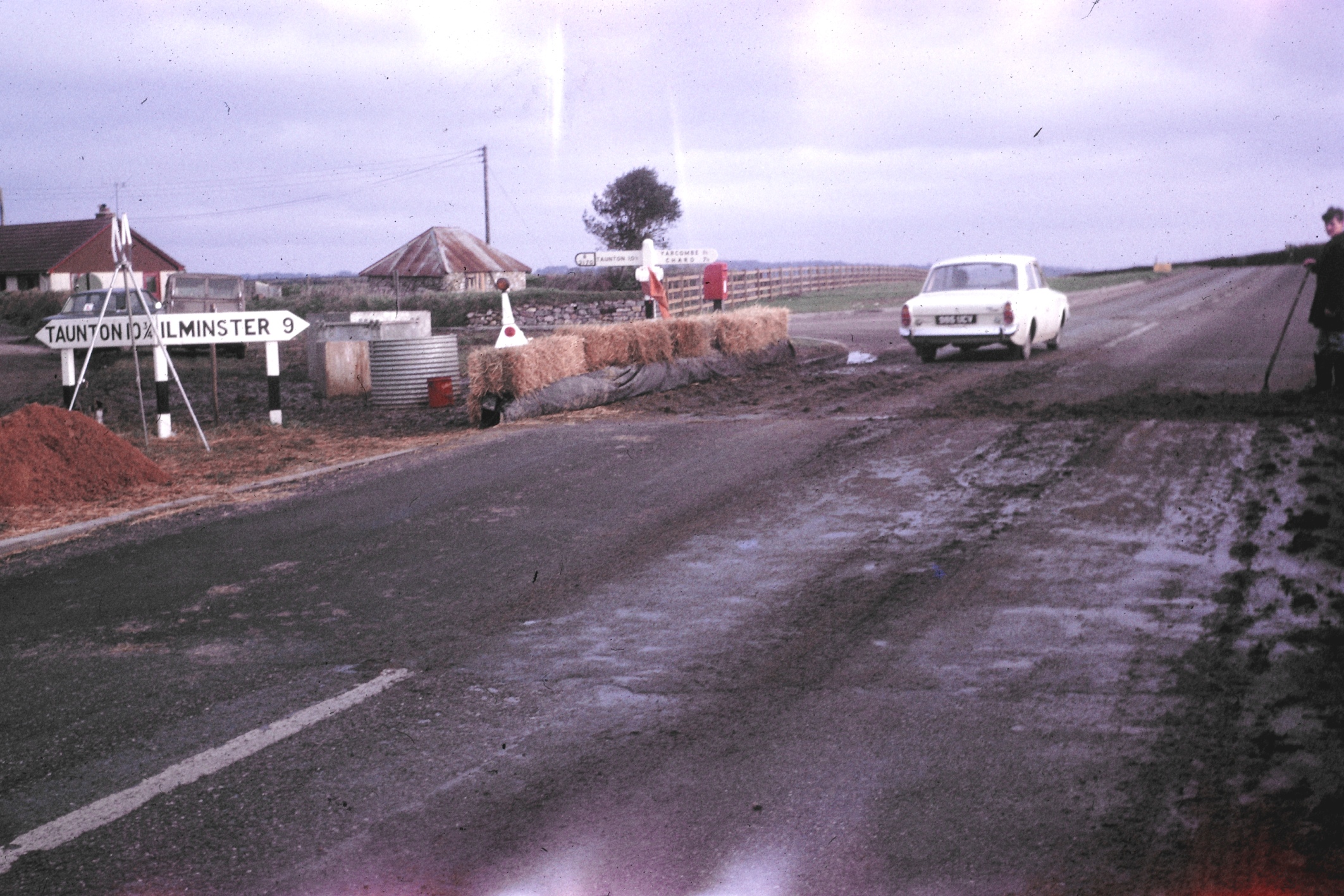
Fred Sage and his sister Mary reflect on the impact of the climate extremes they have lived through, and the ways these moments relied on the community coming together. They recall the drought of 1976, when “the fields were absolutely brown” and their farm alone continued milking thanks to a rare reliable spring—while neighbours resorted to cutting branches so livestock could eat the leaves. They also describe the brutal winter of 1962–63, when snow blocked the lanes for nine weeks and farmers banded together, taking milk to Honiton by tractor so it became “the only milk that went to London that day.” These experiences form the backdrop to Fred’s wider reflections on today’s climate crisis: the accelerated erosion of streams, the disappearance of birds and insects, and the urgent need to change how land is managed. For him, addressing climate change must be “number‑one priority,” rooted in both government action and farmers’ willingness to “do our bit,” recognising that agriculture can be “one of the biggest sequesters of carbon” if supported and steered in the right direction.
Story 6. The farm today, the loss of birds and insects.
Fred and Mary describe a very different farmed landscape today—“it’s all grass,” Fred notes—shaped by decades of environmental change. They talk about the marked decline in birds and insects: lapwings, curlews, thrushes, and even common species like blue tits have mostly disappeared, alongside the flies and small insects that once supported them. Fred reflects on multiple causes, from the arrival of grey squirrels and roe deer in the 1950s to modern wormers that have “destroyed the worms within the soil,” along with soil compaction and nutrient loss from changing farming practices. Some species are tentatively returning—Fred has seen “one song thrush… about three weeks ago”—but others, like house martins, vanished the moment the cows went, because “there’s no cows walking through gateways and making muddy puddles where they can get the mud to build the nests.” Their reflections capture a landscape shaped by the loss of livestock, shifts in land use, and the fragility of the systems that once supported a rich abundance of wildlife.
Story 7. A future of environmentally friendly farming.
Fred speaks passionately about what he calls “environmentally friendly farming”—a return to principles that pre‑date artificial fertilisers, wormers and heavy machinery. He recalls traditional practices, such as burning bracken not for habitat management but simply to “clear the old dead stuff… to provide good, dry bedding in the winter,” and contrasts this with today’s erosion and soil decline. For Fred, the future of farming is shaped just as much by politics as by the land itself: “Politics affects agriculture more than any other area of industry,” he notes, arguing that government must support farmers in restoring soils, reducing chemicals and increasing carbon sequestration, which he believes farming is “one of the biggest sequesters of.” He sees collaboration—between neighbours, across the parish, and between generations—as essential to surviving the challenges ahead. His message to younger farmers is to recognise that farming is “a way of life, not a job,” and to focus on “what we need and not what we want.” Even initiatives like Open Farm Sunday carry both promise and risk: the chance to educate the public about where food comes from, but also the challenge that “people come out of the city… they meet the bugs they’ve not met before.” For Fred and Mary, environmentally friendly farming is as much about community as it is about methods.
Story 8. A recorder of information – the family archive.
Fred and Mary describe an extraordinary family archive built over generations, much of it created by their father, whom they remember fondly as “a very good recorder of information.” The collection brings together decades of diaries, maps, photographs, drainage plans, field notes and daily farm records—everything from “what they did every day on the farm” to detailed measurements showing exactly where drains were laid. Their father began it, and later their brother Arthur expanded it, carefully mapping fields “on bits of cards and envelopes” and documenting floods, droughts, snowstorms and farm improvements. The archive is invaluable not only as a record of farming life but as a long‑term environmental and social history of the parish—offering insights into weather patterns, land use, and community life. As Fred notes, its future usefulness lies in letting others interpret it: “it’s got to be an outside person who’s got to go through it and pick out what they think would be relevant,” suggesting that the collection could help future researchers, local historians, or the community understand how the landscape has changed and what it has endured.