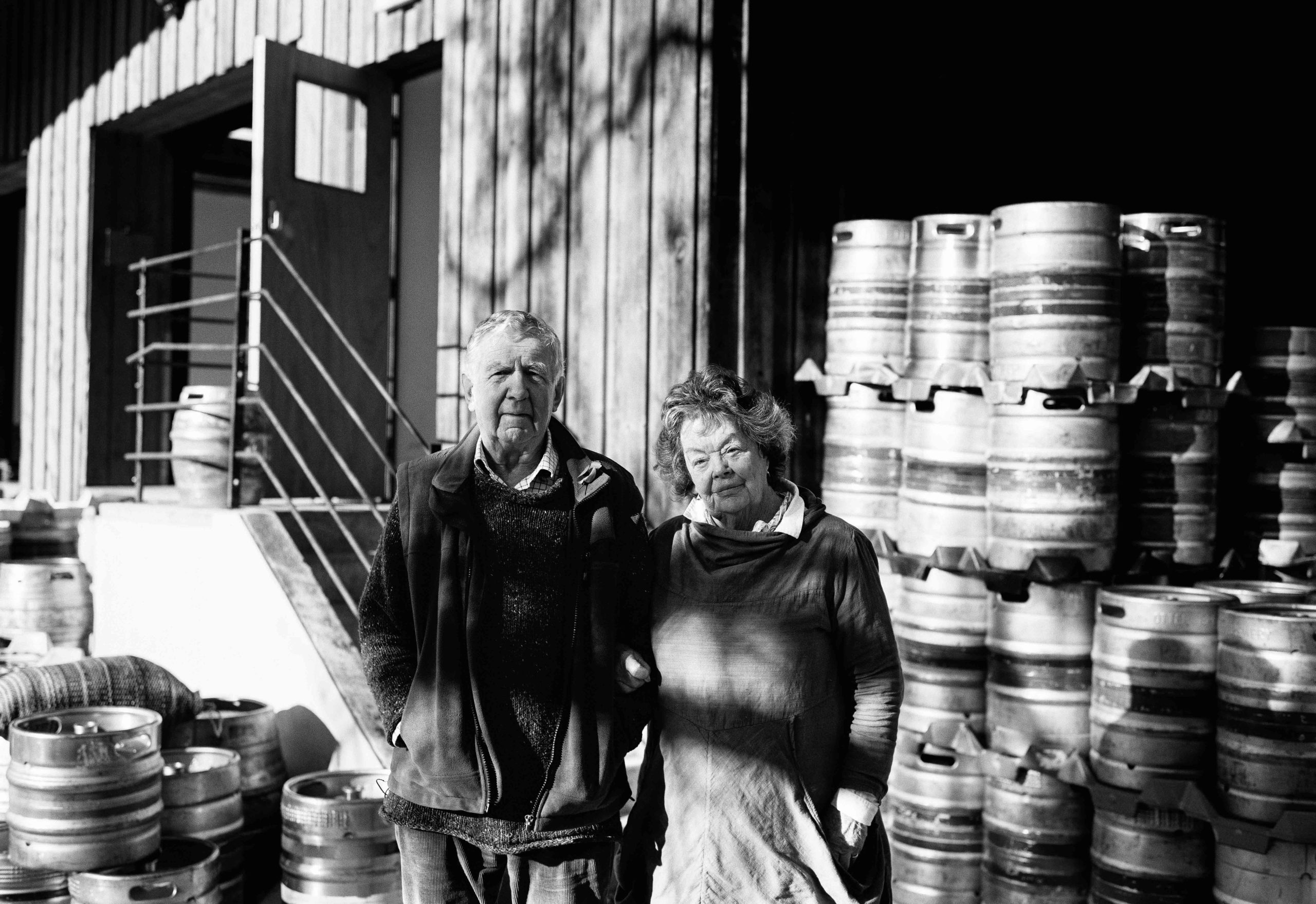
Interview with David & Mary-Ann McCaig of the Otter Brewery
Story 1. The story of Otter Brewery at Mathayes
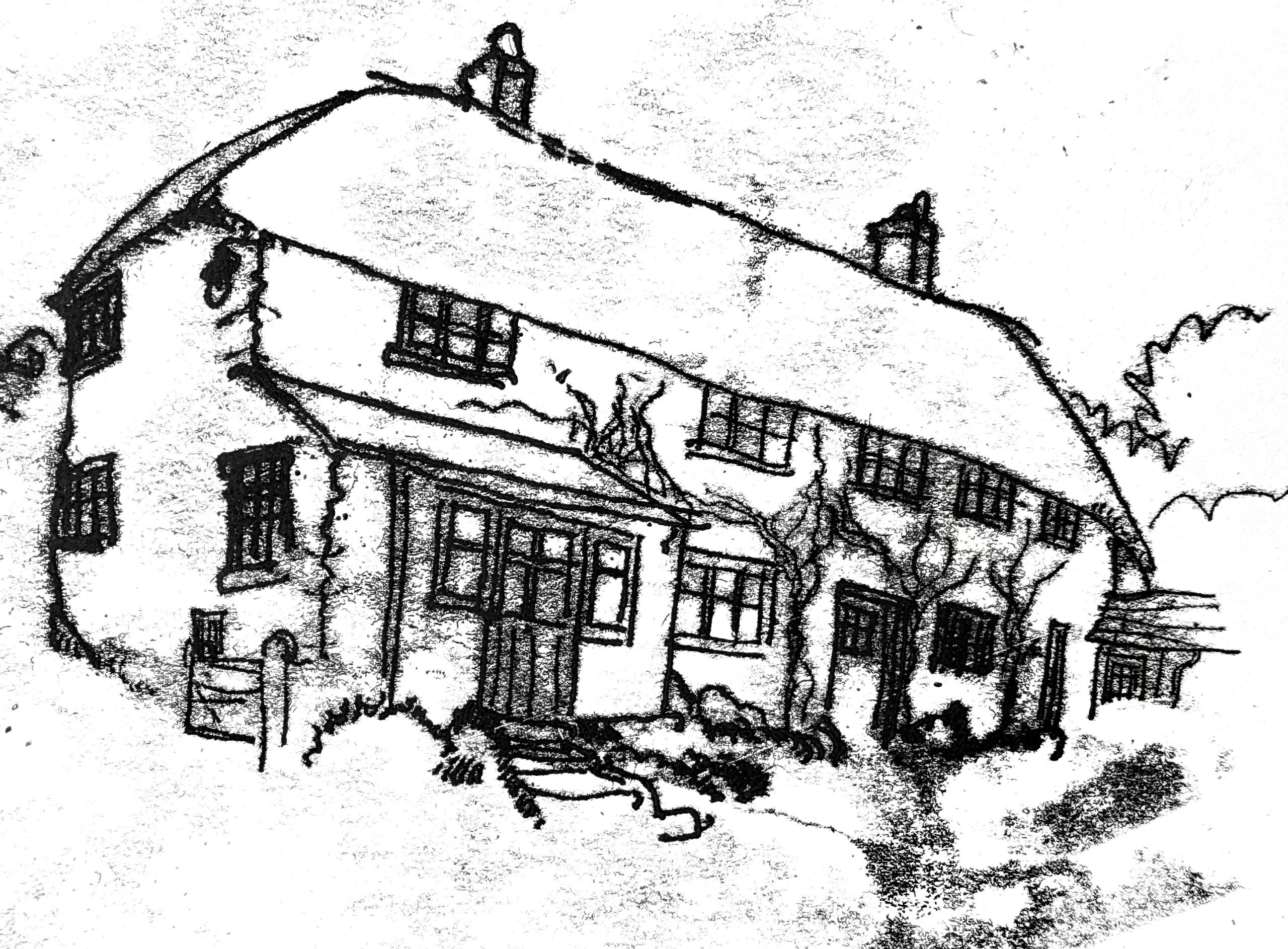
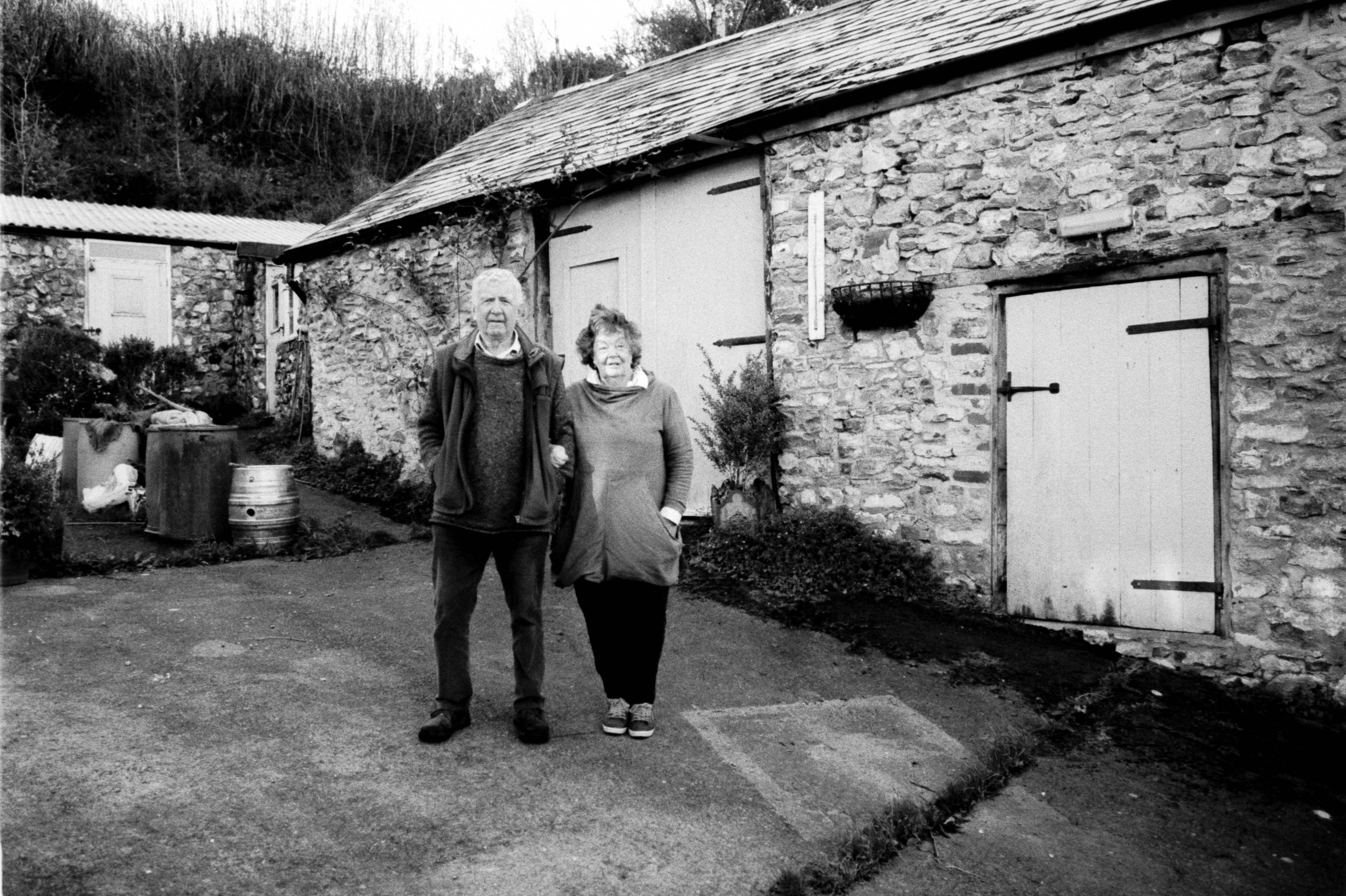
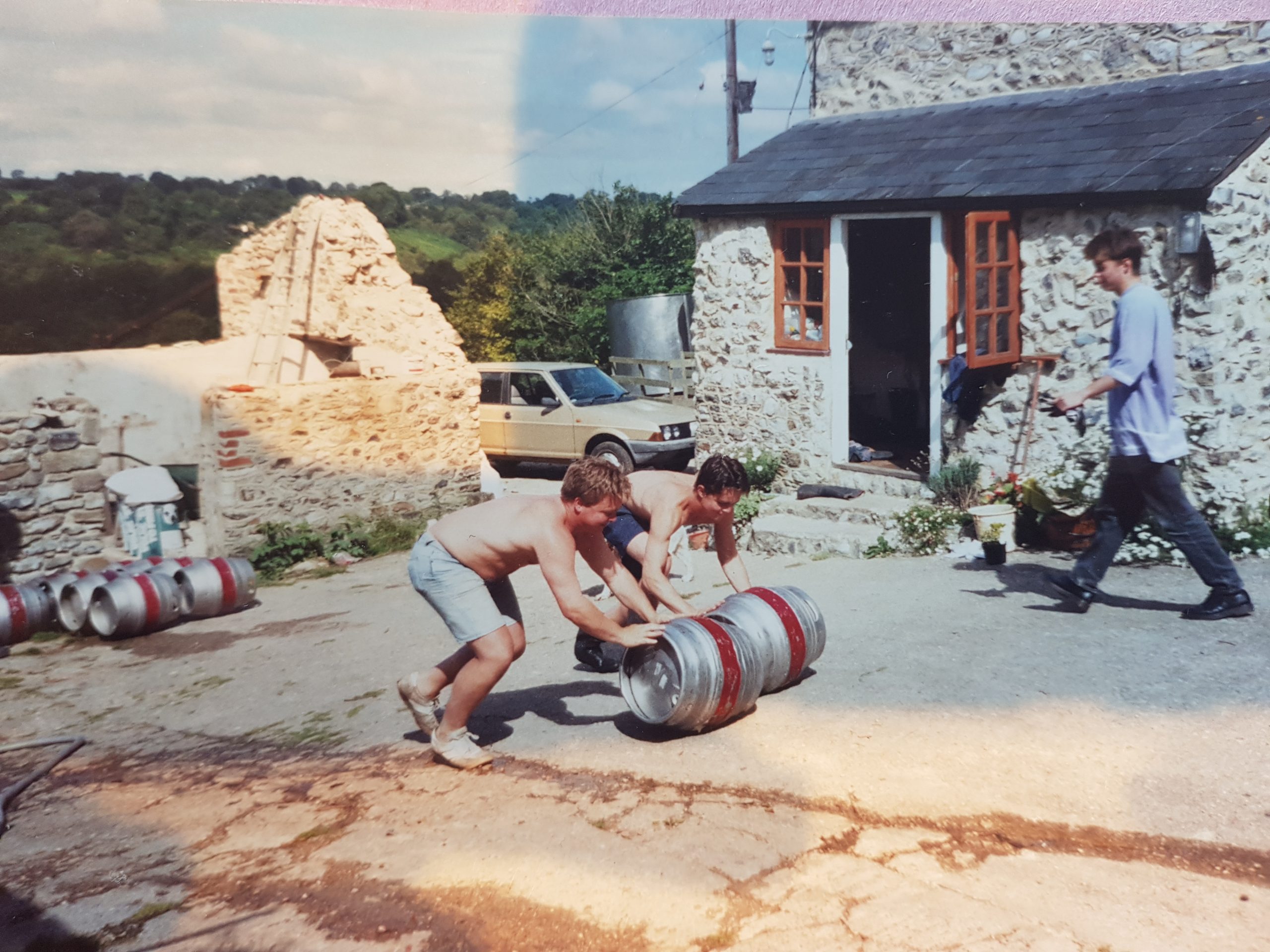
David and Mary-Ann tried various ventures, including bed and breakfast, cream teas, and livestock farming, before they were inspired to start their own brewery. David, having left Whitbread’s in 1982 was “looking for somewhere in the country that was a possibility for brewing. Mathayes was the only place we found that didn’t have planning permission on the outbuildings.” Although it was the view that sold it for Mary-Ann. Having four sons was very helpful in the early days of setting up the brewery.
“We did have the local village council come up to have a meeting, they all wanted to come up and look at these mad people who wanted to start a brewery. So we laid on…sandwiches and beer.” David McCaig
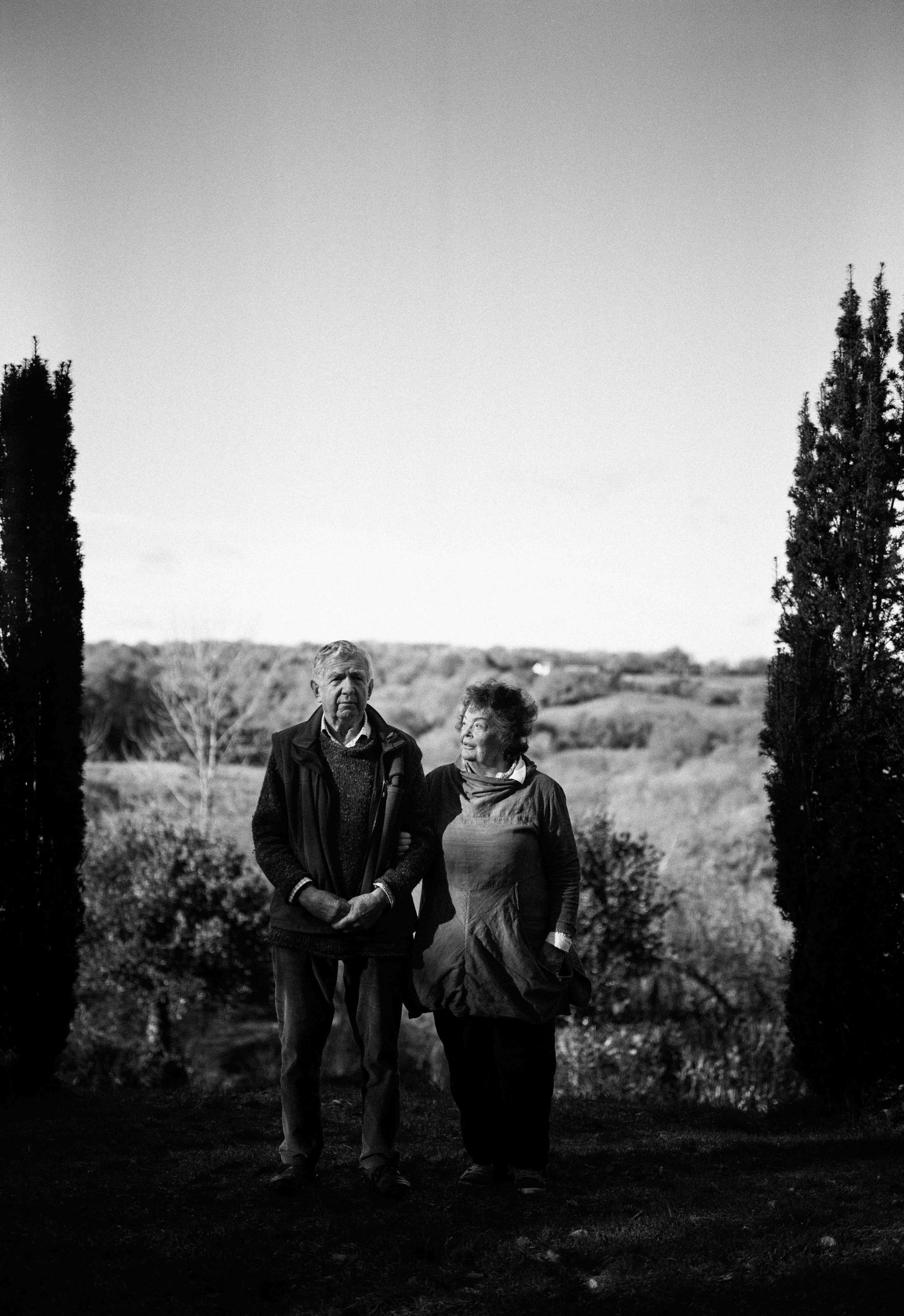
“As we’re sitting here…, looking out at Hense Moor from the table, that’s the view that sold this house to me. And it’s now the view from my kitchen window …, and it’s just the best in the world.” Mary-Ann McCaig
Story 2. Community spirit; fires, fetes & festivals.
David and Mary-Ann have been involved in various community projects, and both understand the importance of coming together in times of need. including restoring the local church after a fire, Mary recalls “Almost two thirds of Luppitt turned up that day. And some people wanted to do the groundwork; other people who weren’t frightened of heights were up the top of the scaffolding. We washed, we cleaned all the windows“. They enjoyed organising events like The Luppitt Madness to bring the community together.
Do you remember the harvest festival…[with] animals in the village church… everybody brought all their pets…we had rabbits, donkeys and horses, … they all came… It was the most amazing village thing… like little nuggets of gold that need to be cosseted.” Mary-Ann
Story 3. The challenges of water; supply and source.
The water supply was crucial for their brewing business, and David talks about how “very lucky, really, really lucky, that the water supply… is very clean, in that it doesn’t contain any heavy metals…and it’s acidic, which is, again, very important for brewing“. The key to their success is ensuring the water flowing in and out of the brewery remains clean.
Oh, it’s absolutely the paramount thing is looking after nature, water, and waste. We chuckle when we hear about the beavers and the otters…down there. But it’s amazing how a water source can become contaminated … And so … we do absolutely everything that we can to keep it as clean as possible.” Mary-Ann
Story 4. Brewing is not unlike farming; turfed rooves, willow beds & local labour
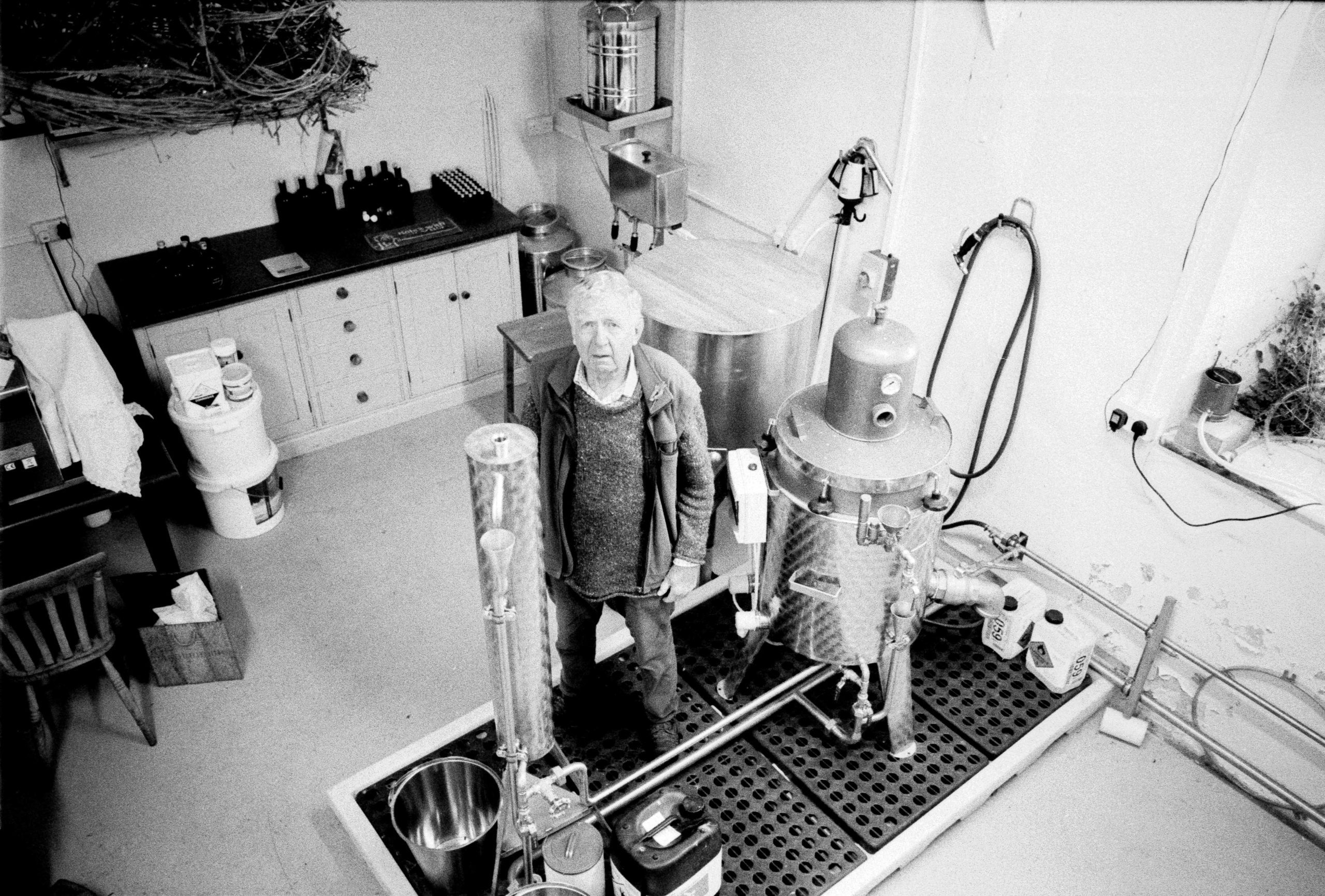
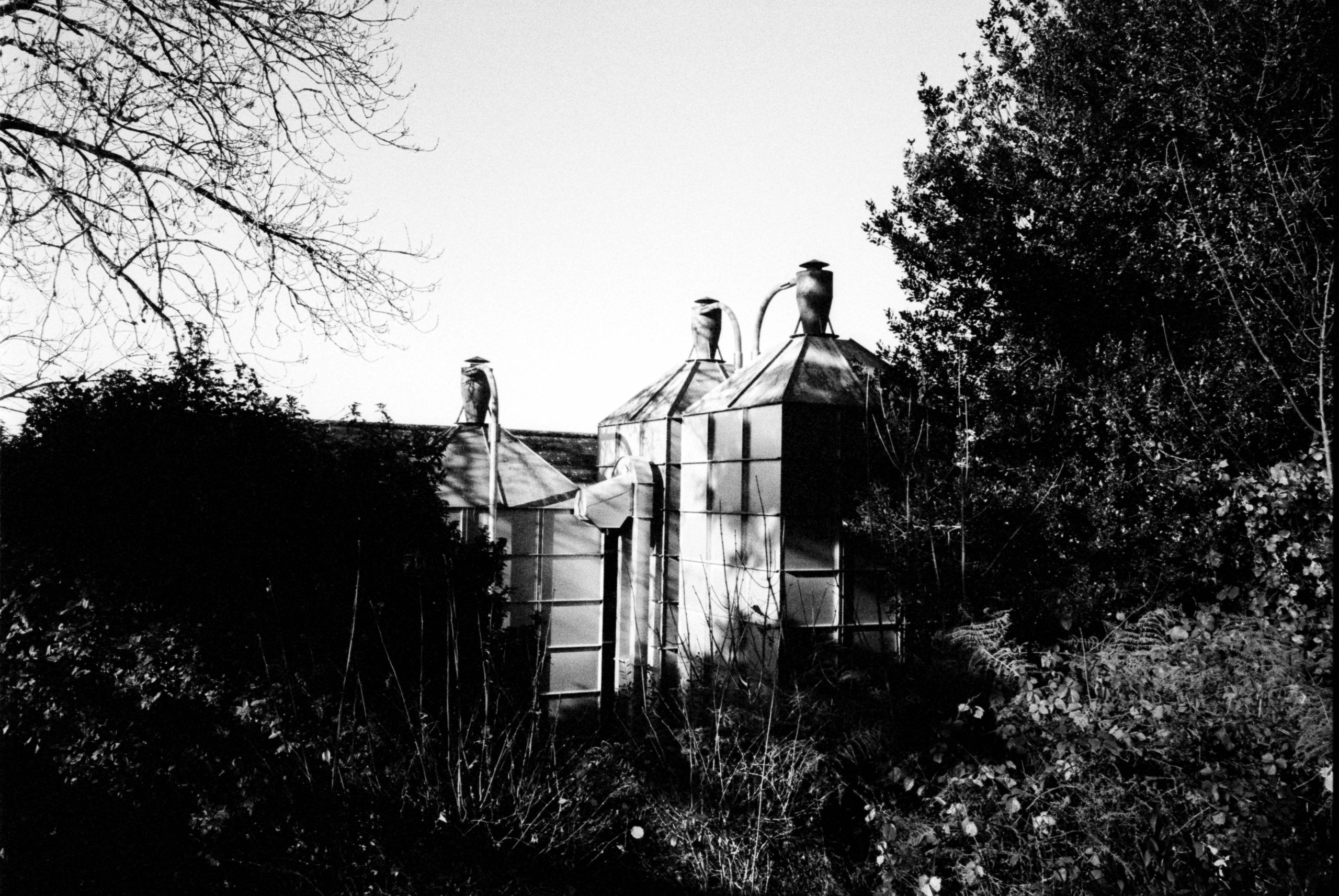
Mary-Ann comes from a brewing family and explains that traditional brewing methods are still used today at Mathayes “We still use whole hops, and we grind our own malt…it’s all from this country…it’s very, very, very traditional old brewing here“. They have been using the same yeast culture for years, which is stored at the National Collection of Yeast Cultures.
“The whole brewing process is so similar to farming, because you’re dealing with a live unit in the yeast, and you have to be nice to it…And you can’t leave it...we’ve designed and run the brewery on all the old principles. We still use whole hops, and – we grind our own malt, … it’s all from this country …it’s very, very, very traditional old brewing here…My father and David always…said that cleanliness is next to godliness in the brewery, and it’s the same in the dairy.”Mary-Ann
Story 5. Looking after nature here
David and Mary‑Ann reflect on their connection to the land at Mathayes, sharing how “nature will always survive, always survive, whereas we won’t” and why caring for it is so important. They talk about the ever‑changing springs in the garden, the mysterious “pretty tree” that glows pink each spring, and the delicate balance of living alongside beavers, badgers, and all the valley’s wildlife. For them, protecting nature is both practical and emotional “I would not want to harm nature in any way at all,” Mary‑Ann says. They explore what it means to value these landscapes while allowing them to thrive.
Story 6. A history of Mathayes; war time evacuees and garden ghosts.
David and Mary‑Ann touch on the long, layered history of Mathayes, once a substantial Luppitt farm that “went right down to the River Love and right up to the road.” They describe the old house — with no foundations, a bread oven still in use, and hams once hung over the fire — and recall stories from villagers who worked here, clearing ditches and chasing shire horses across the valley. They recall the first year at Mathayes, when “they actually burnt the head of the valley here, and you could see where the pens of stones had been built.” Mary-Ann remembers the day visitors arrived, “three people, Olive Clapp and two evacuees… absolutely teeming with rain,” bringing with them vivid memories of wartime life on the hill. And then there are the mysteries: the traces of the old house down the slope, and the evening Mary‑Ann heard “this lovely voice singing… so clear, there was no other noise” from the garden.
Story 7. The future of this valley.
David and Mary‑Ann speak of wanting Luppitt to stay “not a lot different — which would be good in some ways,” while still finding room for the next generation through housing, crafts, and a stronger local economy. Mary‑Ann dreams of a “living community… where everyone from Luppitt supplied to Luppitt,” built on bartering, shared skills, and people “looking after each other.” Yet both voice caution about bureaucracy around the Luppitt project — “it’s red tape again,” as Mary‑Ann puts it — and wonder how to balance support with freedom for the valley to care for itself. They imagine power generated by “trees round the boundaries and solar panels inside,” and speak openly about succession, knowing that one day “their children… will all have their own families” and carry the place forward. Above all, they hope for a future where community resilience and the landscape’s wellbeing strengthen one another: “If we look after each other, it’ll do the same.”