Interview with Peter & Sue Wilson
Strory 1. The history of Sharcombe farm and life today
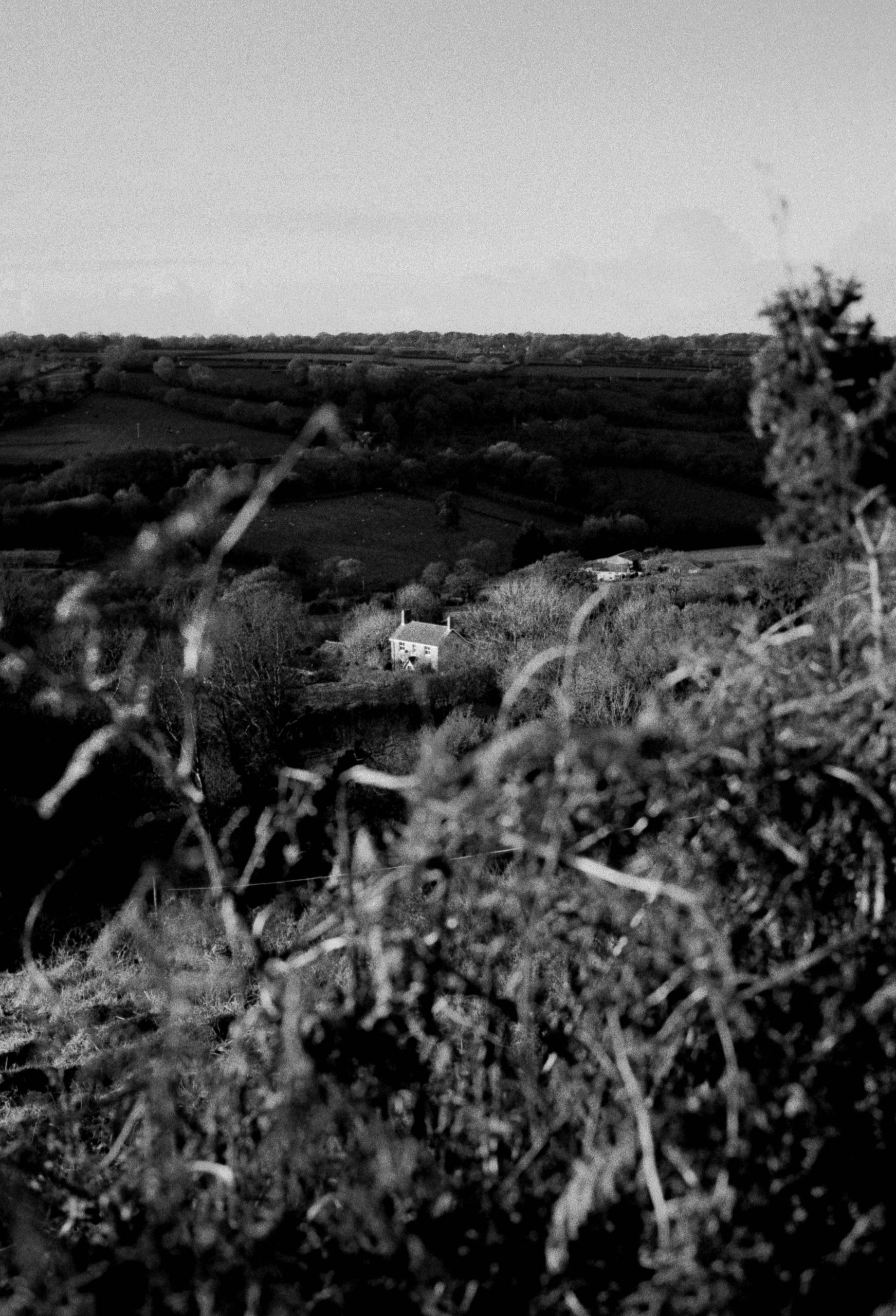
Sharcombe Farm has been in Peter’s family since the early 1900s, originally purchased by his grandfather. Peter was born at nearby Shelf Farm, and both Shelf and Sharcombe have been farmed together for generations along with Higher Wick, where their daughter Sally now lives with her family and Baxter’s Farm in Upottery. Sue comes from a farming family near Axminster and they have run the farm together since they married in 1977.
Sue and Peter describe a typical “day in the life” on Sharcombe Farm, from 4am starts to twice‑daily milking and caring for young stock. They explain where their milk goes—“into Cathedral cheese… and Lurpak”—and reflect on the farming practices and values passed down from their parents, including calf‑rearing and a focus on animal welfare. They talk about sharing the workload with their daughter Sheila, who now handles much of the milking and paperwork, and how contractors help with heavier jobs like slurry and silage work. They touch on succession, retirement—“farmers don’t retire”—and their hope to pass the farm on to the next generation.
Strory 2. Surviving the changes, the winter of ’63 and the floods of ’68
Peter shares his memories of growing up in Luppitt and the huge changes they’ve both witnessed in local farming—from a time when “there were at least 40 dairy farms” to many being “squeezed out” after the compulsory bulk‑tank changes of 1977.
They discuss the evolution of infrastructure at Shelf Farm, moving from cow stalls to second‑hand cubicles brought from Upottery, and later adapting their milking system through pipelines and a repurposed parlour. They talk about their continued commitment to a more traditional, labour‑intensive farming—still using scrapers, tractors, and plenty of manual work. They reflect on what has kept them going including the central role their daughter now plays. The discuss current herd size and calf‑rearing requirements, and the increasing rules around passports, cattle testing, treatments, and the banning of organophosphates.
They also recall the extremes of past weather, from surviving the winter of ’63 when the milk lorry couldn’t reach them for “63 days” to the devastating floods of ’68 that “washed the bridges away” and left a hole “you could put a double‑decker bus in.”
Strory 3. The ongoing challenges
Sue and Peter reflect on the increasing challenges of modern dairy farming, from “a lot more paperwork” and navigating changes with Express Dairies and milk buyers, to new expectations around milk production standards, carbon‑footprint reporting, and annual inspections. They describe the difficult decisions around whether to invest in major upgrades—“the parlour… is not getting any better”—and the strain of surviving through years when they lived “milk cheque to milk cheque.” The conversation also explores grants and quotas, frustrations with environmental schemes—“planting wildflowers but still cutting the hedges on top”—and the practical realities of farming on steep land, where “living on the side of a hill” makes even routine work more challenging.
Strory 4. The commons, community & what makes Luppitt unique.
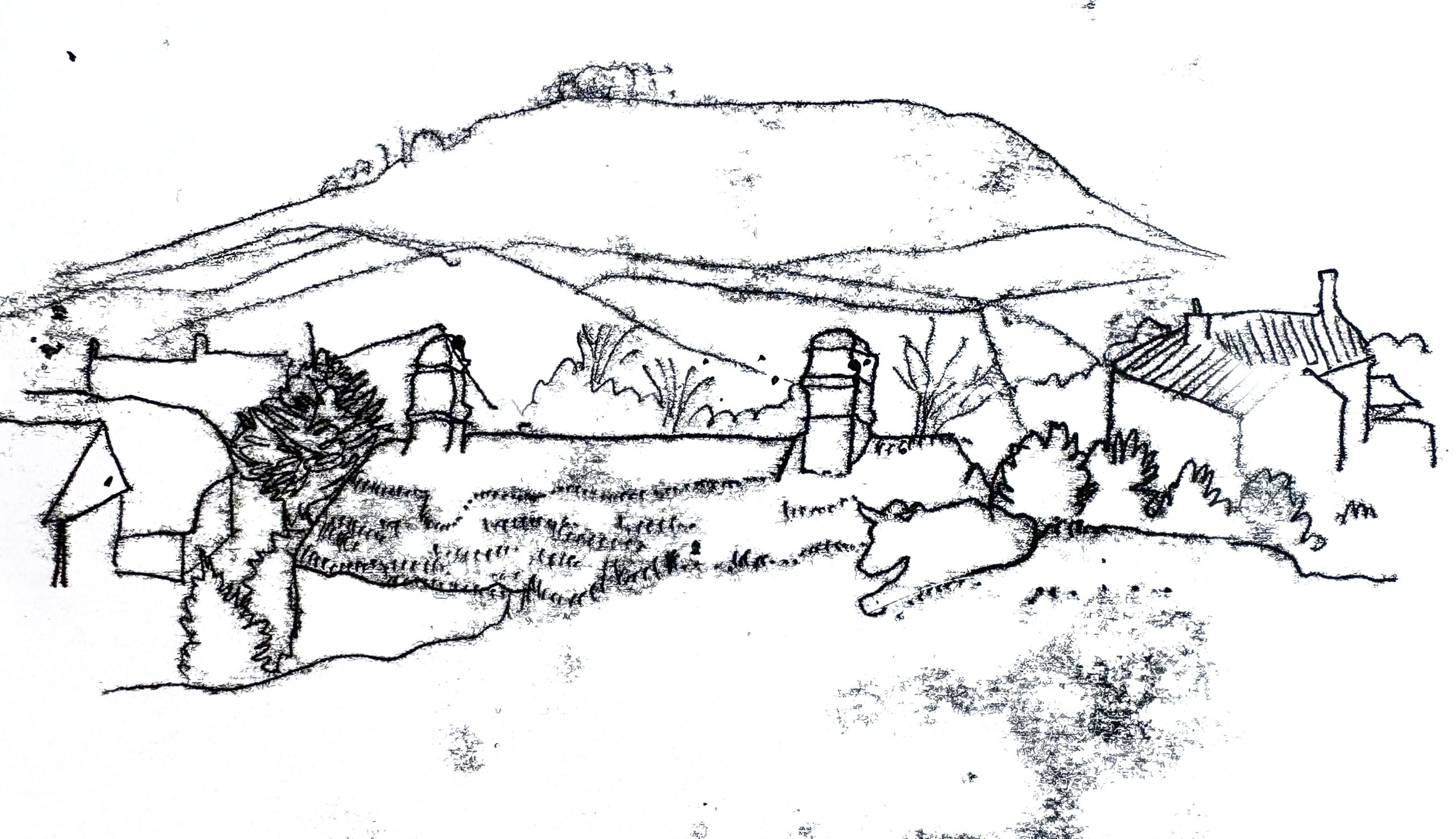
Sue and Peter talk about the long-standing commoners’ rights attached to their farm and Peter’s role in helping manage the Commons, describing how they graze cattle and how those practices that have changed over time. They reflect on the strength of community spirit in Luppitt—“anyone would do anything to help anyone in the village”—and how shared activities, events, and generations of families contribute to its character. They describe Luppitt’s landscape as something special, with Sue noting that “if you stand up on Hartridge and look through the valley, it sort of sells itself,” and Peter recalling a visitor who once said the area was like a “mini‑Exmoor.”
Strory 5. Wildlife stewards; birds, bats and rare Beetles.
Peter and Sue describe a landscape rich with wildlife, from “yellowhammers… eating with my chickens” to stonechats, deer, bats and owls, all living alongside their working farm. Sue’s care for nature shines through in the small things she does, like rescuing frogspawn each spring, “I go out with a bucket… and put it in my pond… until they all hatch out.” For them, farming and nature require a “happy medium,” whether managing bracken on Hartridge or a balance between badgers and ground nesting birds. Their land at Wick has even revealed a rare beetle found on the ancient Saxon plats—“the only place they’d found it otherwise was Sherwood Forest.” Through it all, they remain quietly proud stewards of a landscape where wildlife still thrives.
Strory 6. The challenegs and magic of water and wetland.
Peter and Sue reflect on the character of their land as “wet all year round,” Sue laughs, describing springs that “move different places,” sometimes even appearing “in the middle of the road.” Peter recalls how “where the Common ends and land begins” his ancestors placed ditches and hedgebanks to manage the flow, a knowledge now feeding into discussions about future wetland options for the farm on this project. They describe the greensand slopes where rising water “comes through the stone banks and makes the field very wet,” and the challenge of finding practical ways “to pick up that water and stop it going on down.” Their memories flow back to childhood too: Sue catching “bullheads and minnows” in jam jars, and the girls sending sticks down the River Love to watch them appear beneath the bridge. Their stories reveal both the challenges and the magic of water in the Luppitt valley.
Strory 7. Connections to Wick in Luppitt, a butchers in London and the Queen.
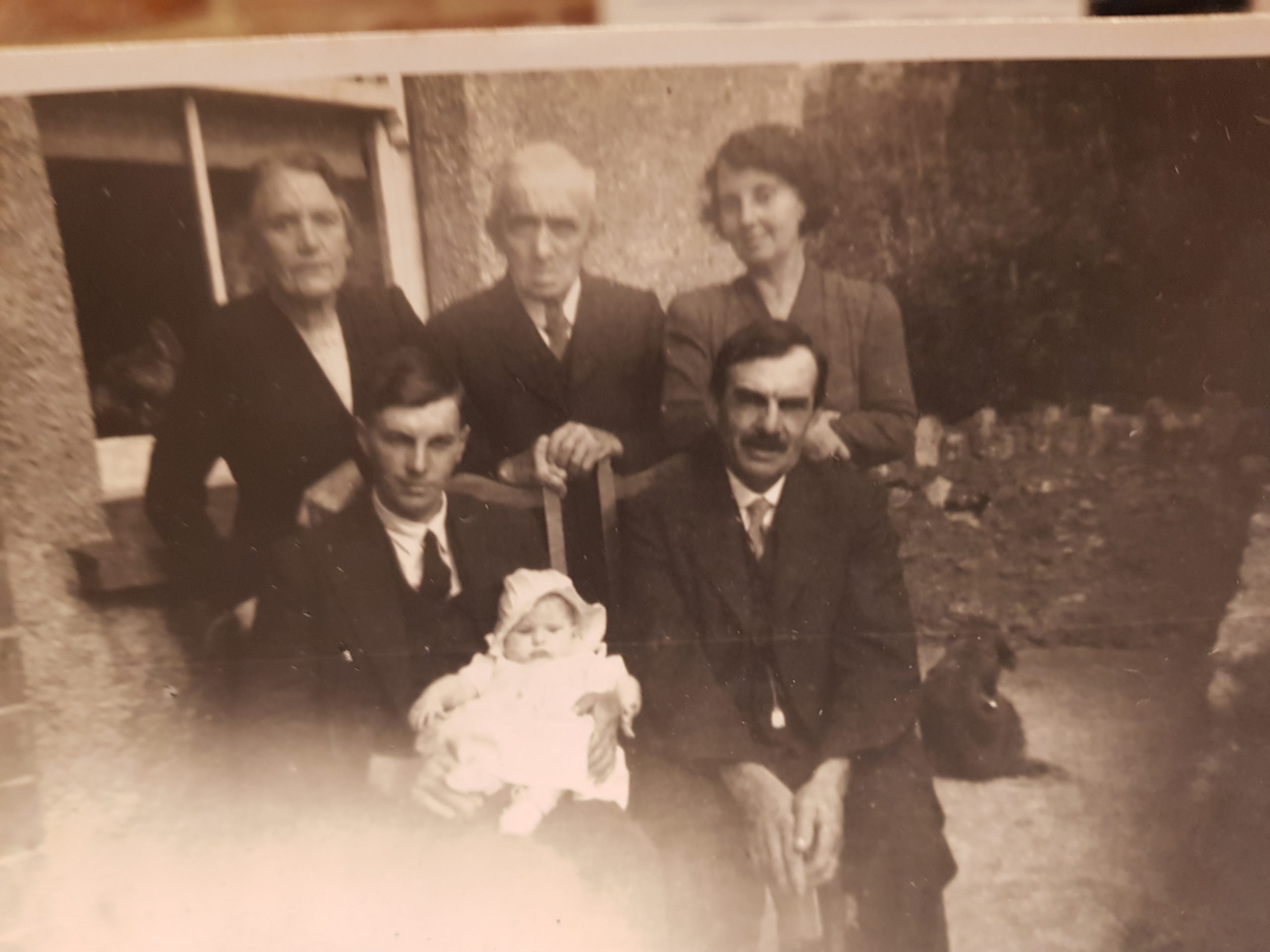
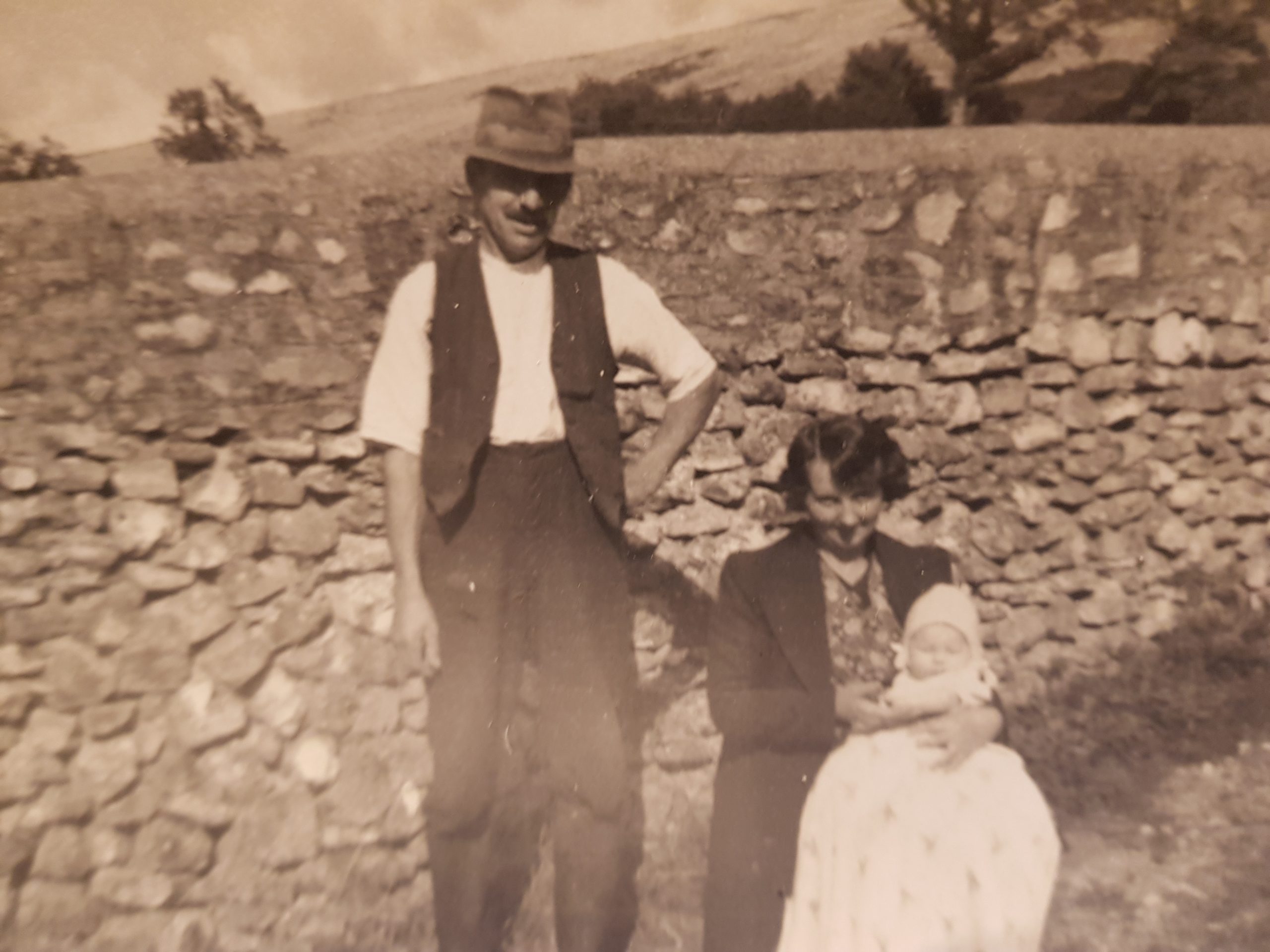
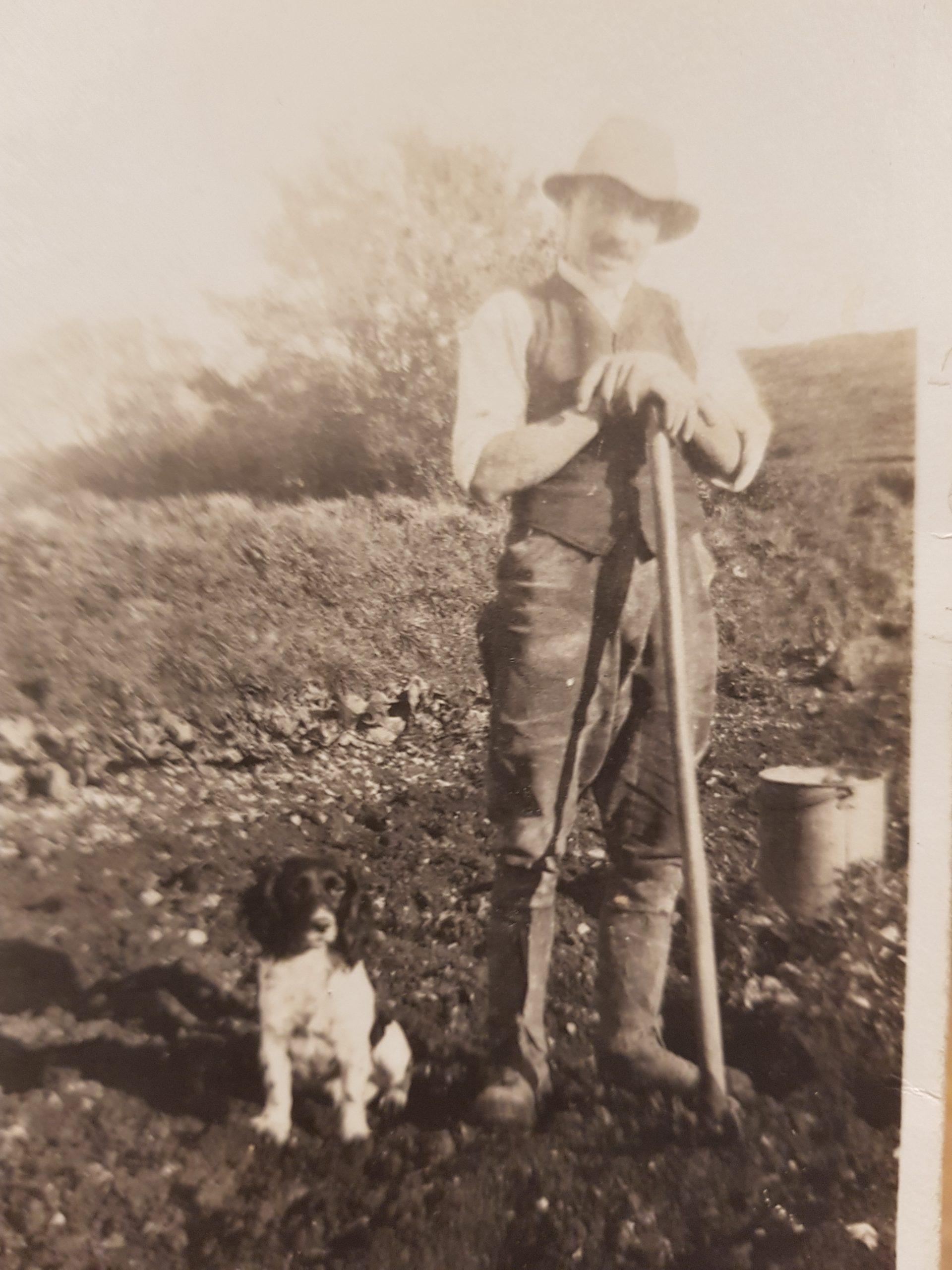
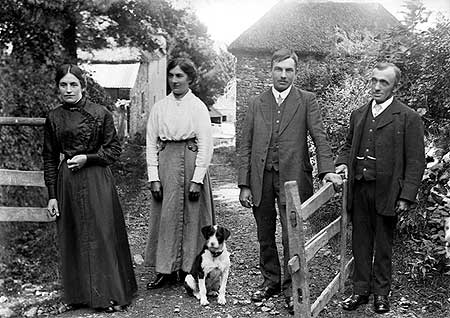
Peter and Sue look back on the long family history tied to Wick and Sharcombe, beginning with the old photograph taken at Higher Wick where Peter’s ancestors once lived. He explains how “my grandad… came to farm at Sharcombe,” where the current farmhouse was built in “1902 or 3,” replacing an earlier house believed to have stood near the old cow stalls. Their family story stretches far beyond the valley too: as Peter notes, his mother’s relatives, the Hartnells, “had a butcher’s shop in London and sold a lot of poultry,” alongside the family connection to Norman Hartnell—the designer of the Queen’s wedding dress. Peter shares memories of his grandmother, the early poultry kept on the farm, and how after the war his father would catch rabbits at night, sending them by train to London as “a little bit of income” during the times of rationing.
Strory 8. Bailing hay on Hartridge, glow worms and poems of field names.
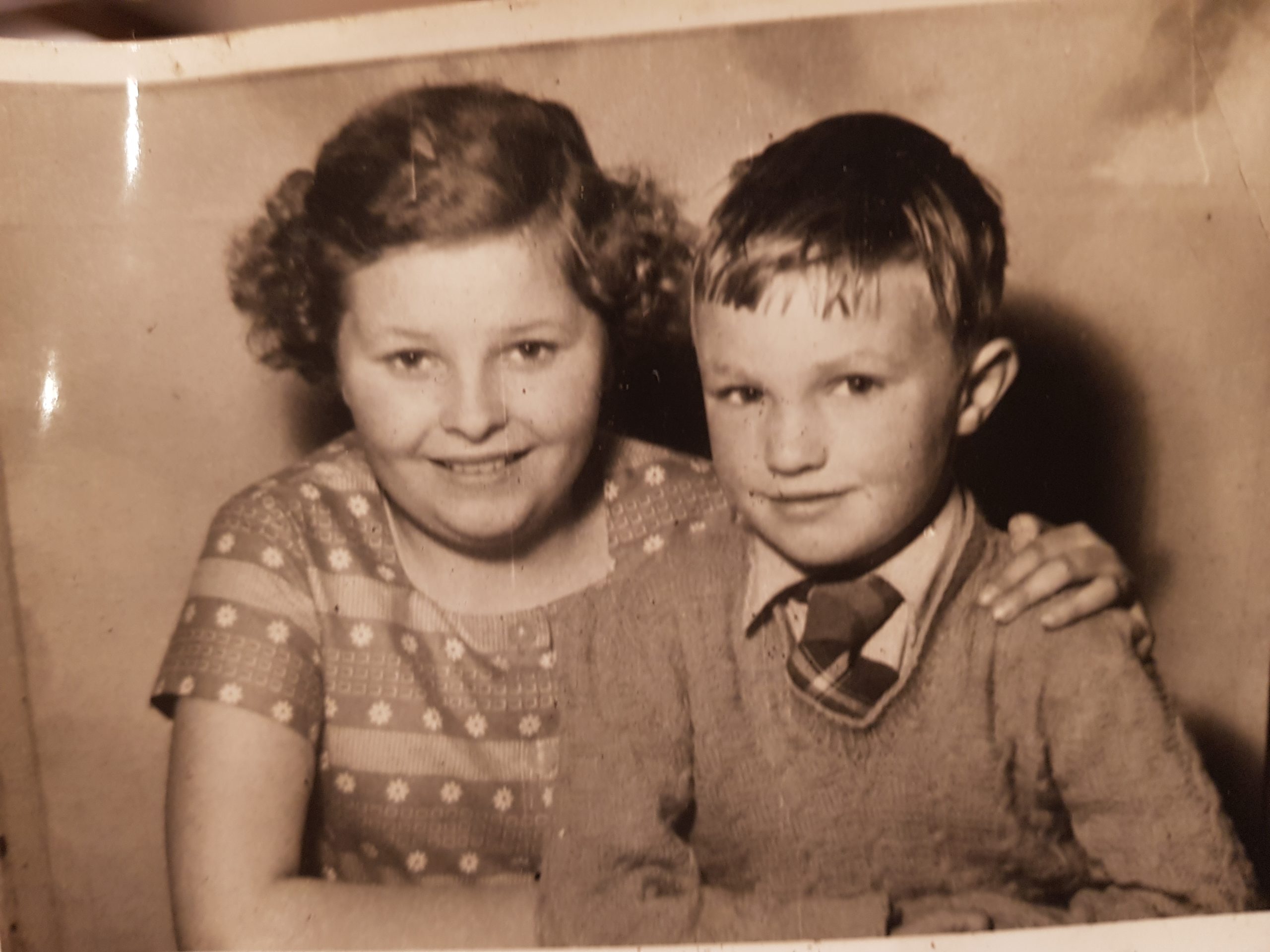
Peter shares a story of long summer nights baling hay on Hartridge, when his mother would tuck him and his sister “in a heap of bales so they knew we were safe,” only for the adults later to discover “they all looked the same” and struggle to find them again. Peter recalls walking home in the early hours, lit by the tiny green light of “glow worms… shining on the way back,” a sight he says is now “very rare.” The clip ends with one of the interview’s loveliest moments: Peter reciting from memory the old field names of the farm—“Looks Field, Lower Copse, Higher Copse… Three Corners, Big Mead, Clayhall, Blinkers…”— almost like a poem, the names are preserving generations of place, work and belonging.